
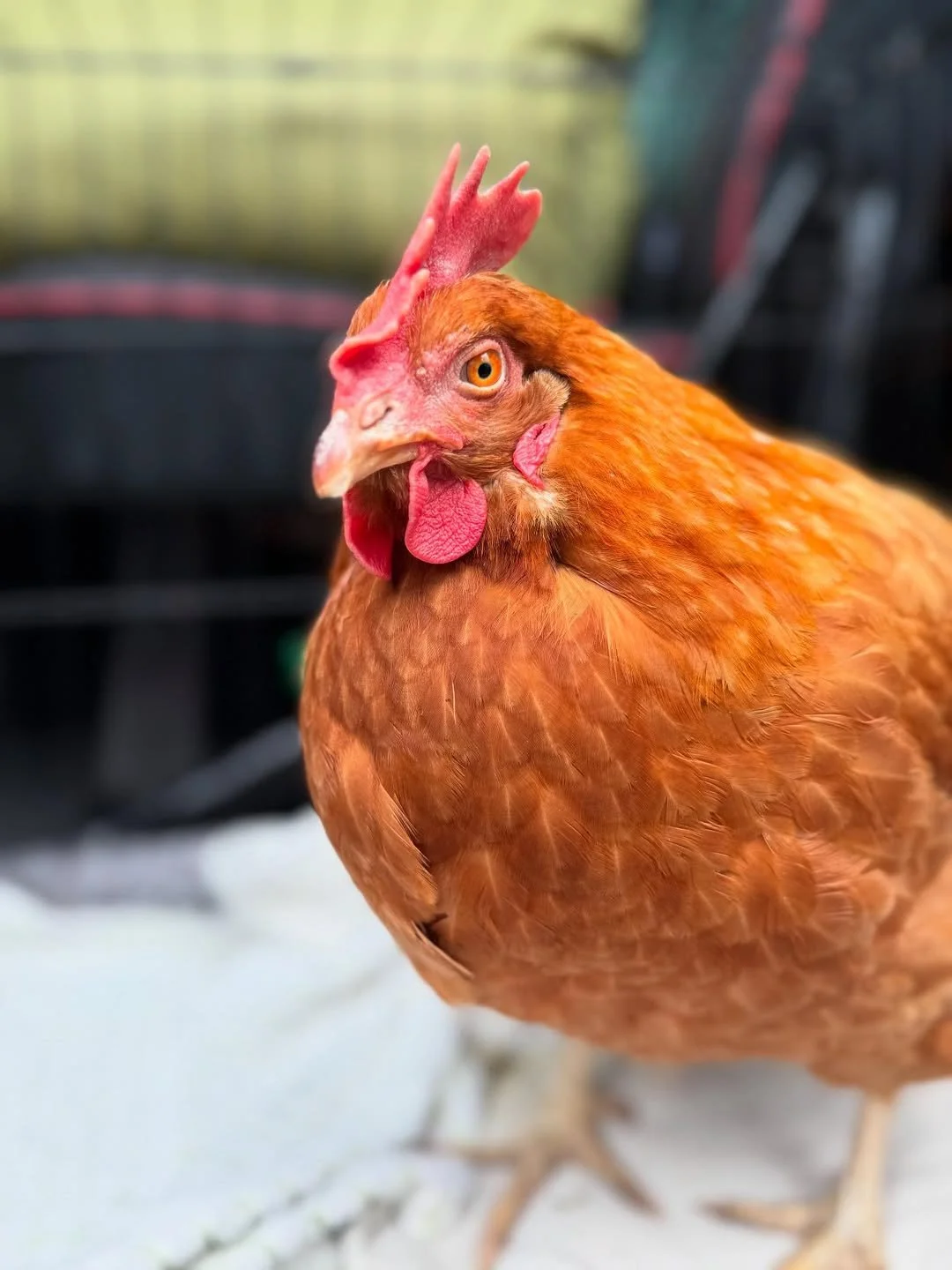
The Fate of Male Chicks
Photo credits: Jo-Anne McArthur / We Animals
From the moment they hatch, billions of male chicks face a heartbreaking fate at the hands of the egg industry—one that most people remain unaware of.
Denied even the most basic rights, these innocent beings symbolize a tragic aspect of food production that demands ethical scrutiny. Despite being one of the most criticized practices, male chick culling remains widespread worldwide. Here are the essential facts everyone should know.
Contents:
The Numbers Are Staggering
Each year, millions of male chicks are killed in secret, behind the scenes:
260 million in the USA
12.8 million in Canada
330 million in the European Union
12 million in Australia
These staggering numbers reflect the egg industry’s systemic disregard for life, as male chicks are discarded simply because they don’t serve a profit-driven purpose.
Image credits: Human Cruelties
How Are Male Chicks Killed?
The methods used to kill male chicks are as shocking as their scale. While some may imagine peaceful euthanasia, the truth is far more brutal. Here’s a look at the methods approved in different regions:
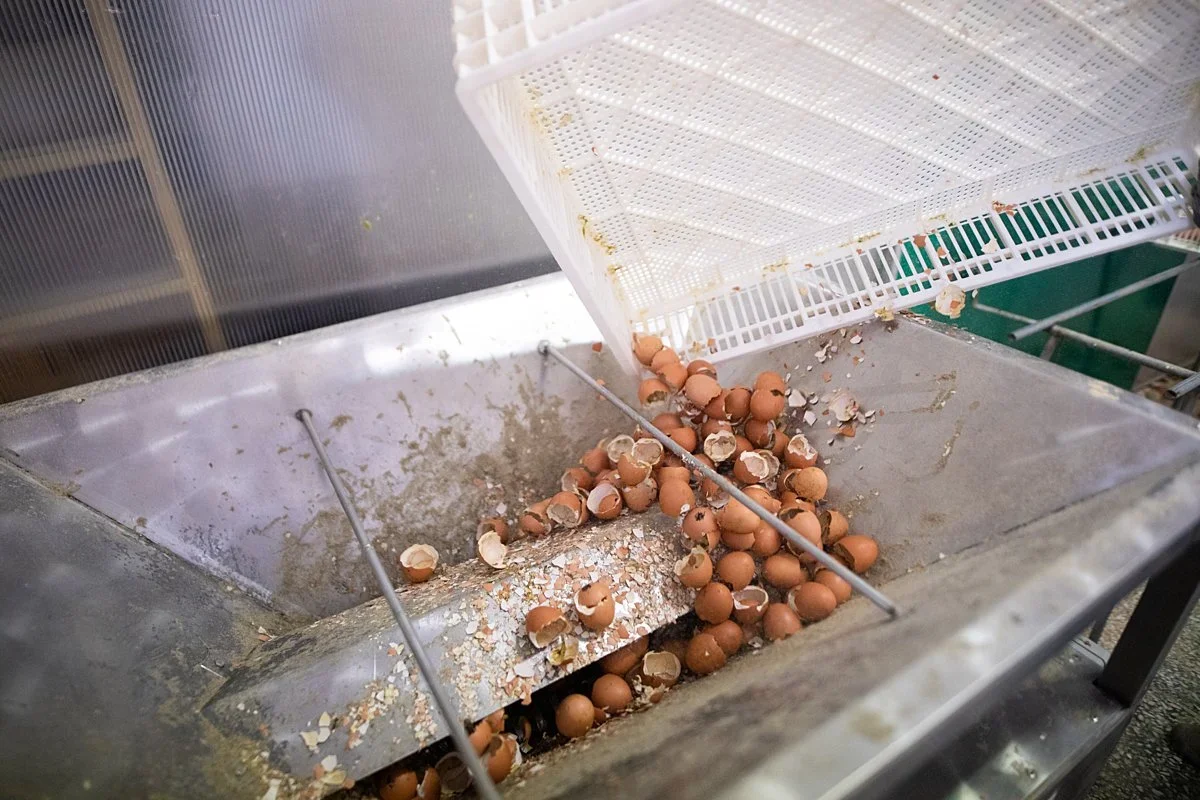
USA: The most common method is maceration, where chicks are dropped into machines with rotating blades that grind them up alive. Other methods include carbon dioxide gassing or freezing embryos before hatching.
Canada: Similar to the US, male chicks in Canada are killed using anesthetic overdose, decapitation, gas inhalation, manual cervical dislocation, or maceration.
European Union: According to EU regulations, male chicks up to 72 hours old are culled using maceration or gassing.
Australia: The Australian egg industry also relies on carbon dioxide gassing and maceration, with industry guidelines stating that chicks must be killed “within a second” using these methods.
Although maceration is described as immediate and with minimal pain, the reality is much darker. Malfunctioning equipment—such as slow rotation of blades or overloading of machines—can result in chicks not being killed instantly. This leads to unimaginable suffering, as chicks may remain conscious, in pain, and distressed during the process.
Why Are They Killed?
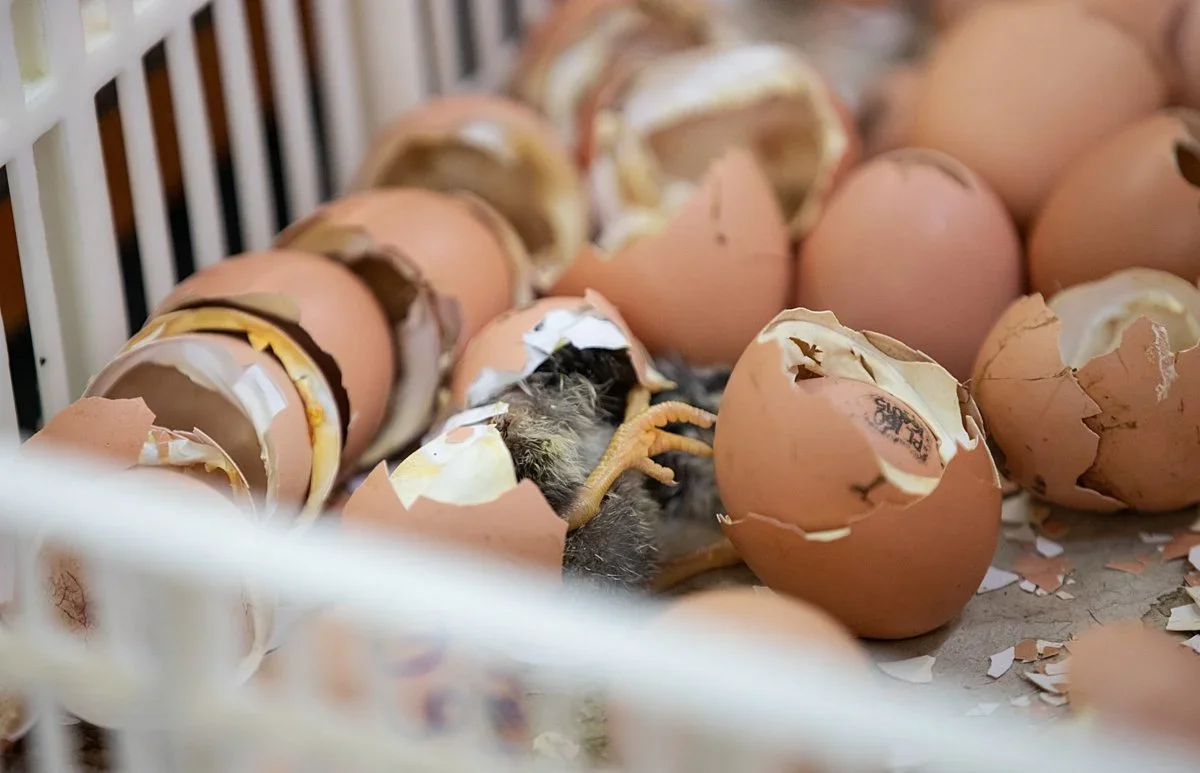
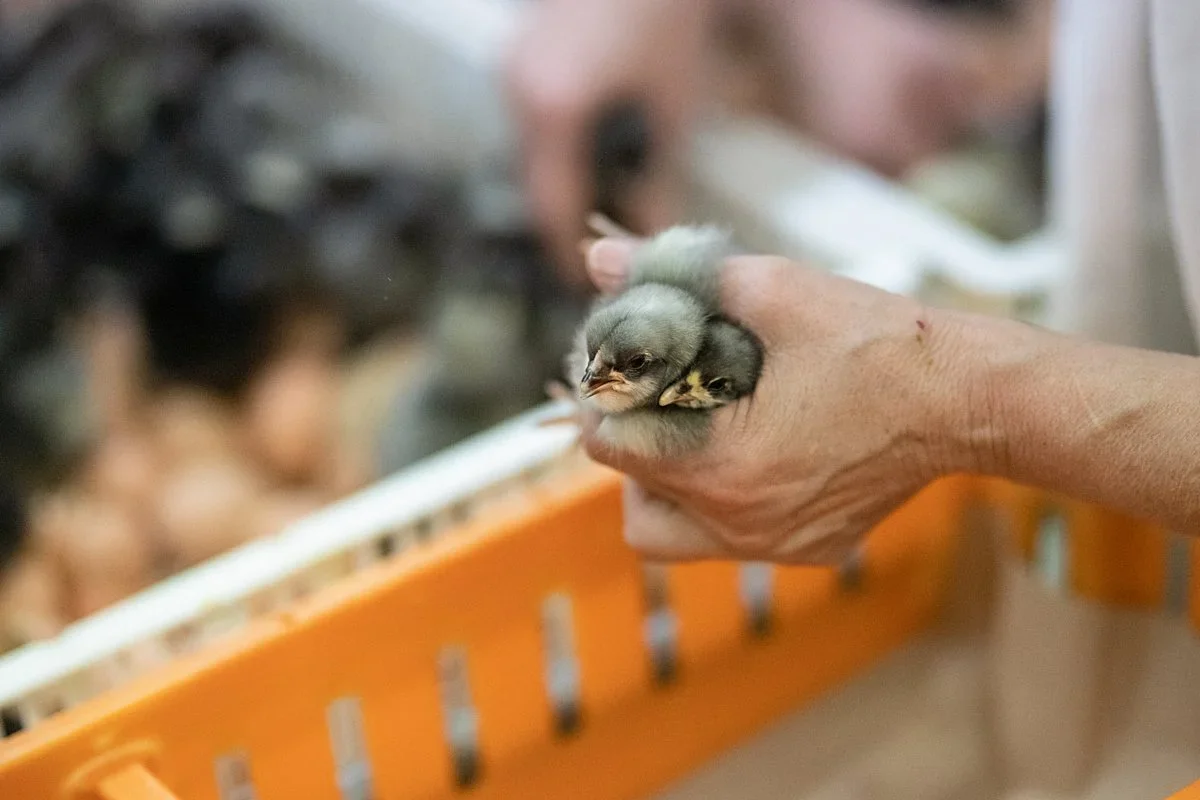
If these facts and figures shocked you, you might be wondering: where do all these male chicks come from? After all, the eggs in the supermarket are unfertilized. While this is true, many consumers fail to connect the dots to the hens on egg farms, who also had to hatch from somewhere.
This brings us to a part of the egg industry that is almost never talked about or investigated: breeder farms, or parent flocks. These facilities consist of male and female chickens kept in large barns, closely confined to produce fertilized eggs. The goal is to hatch female chicks that will grow up to lay eggs for consumers. However, by nature, about 50% of these eggs will result in male chicks.
Once these male chicks are hatched, they face a dire fate. Since they cannot lay eggs and are not bred for meat production, they are deemed economically worthless and are culled shortly after birth. This grim reality highlights a troubling dilemma within the egg industry: profit takes precedence over life. The millions of male chicks killed each year are a tragic consequence of a system designed to maximize efficiency and profits, where innocent lives are discarded without a second thought.
Are There Alternatives?
As concerns about animal welfare grow, the industry and welfare initiatives have proposed alternatives like dual-purpose breeds and in-ovo sexing to address the ethical implications of egg production. Dual-purpose breeds aim to produce both eggs and meat, allowing for a more balanced approach to farming. Meanwhile, in-ovo sexing enables producers to identify and discard male fertilized eggs before they hatch.
However, both approaches still lead to the slaughter of these animals. Even if we eliminate the killing of male chicks through these adjustments, and even if all hens were raised in cage-free environments, the suffering would persist. The underlying issues in egg production—such as the manipulation of hens’ bodies for maximum egg production—remain unaddressed.
It’s Time to Reconsider Our Choices
The suffering of the male chick is just one of many horrors in the egg production process. The industry creates an endless cycle of pain, exploitation, and death that traps billions of hens around the world.
Every time we choose to consume eggs, we are endorsing an industry that profits from unimaginable cruelty. But we can change that. Every meal is an opportunity to decide kindness over cruelty, compassion over tradition. By choosing not to consume eggs, you can directly stop supporting the cruelty and suffering caused by the egg industry.
Thankfully, there are many plant-based alternatives to eggs that allow you to enjoy all the foods you love—without contributing to animal suffering. From chickpea flour to aquafaba and flaxseed, leaving eggs off your plate has never been easier.
Sources
USA
https://animalequality.org/campaign/stop-killing-chicks/
https://www.avma.org/sites/default/files/2020-02/Guidelines-on-Euthanasia-2020.pdf
https://www.avma.org/resources-tools/avma-policies/avma-guidelines-euthanasia-animals
Canada
https://animaljustice.ca/blog/2022-canada-slaughter-statistics
https://www.nfacc.ca/poultry-code-of-practice#appendixB
EU
https://www.europarl.europa.eu/RegData/etudes/ATAG/2022/739246/EPRS_ATA(2022)739246_EN.pdf
https://guardian.pressreader.com/article/282145000169168
Australia
https://kb.rspca.org.au/knowledge-base/what-happens-with-male-chicks-in-the-egg-industry/
https://animalsaustralia.org/our-work/factory-farming/reality-egg-production-chick-shredding/
Further Reading & Resources

culling alternativesIn-Ovo Sexing
Step into the egg industry's latest buzz: In-ovo sexing. While sensationalized as “The cutting-edge technology trying to save millions of male chicks from being gassed” and “A Simple New Technique Could Make Your Eggs More Humane” by major media outlets, the truth is more complex.
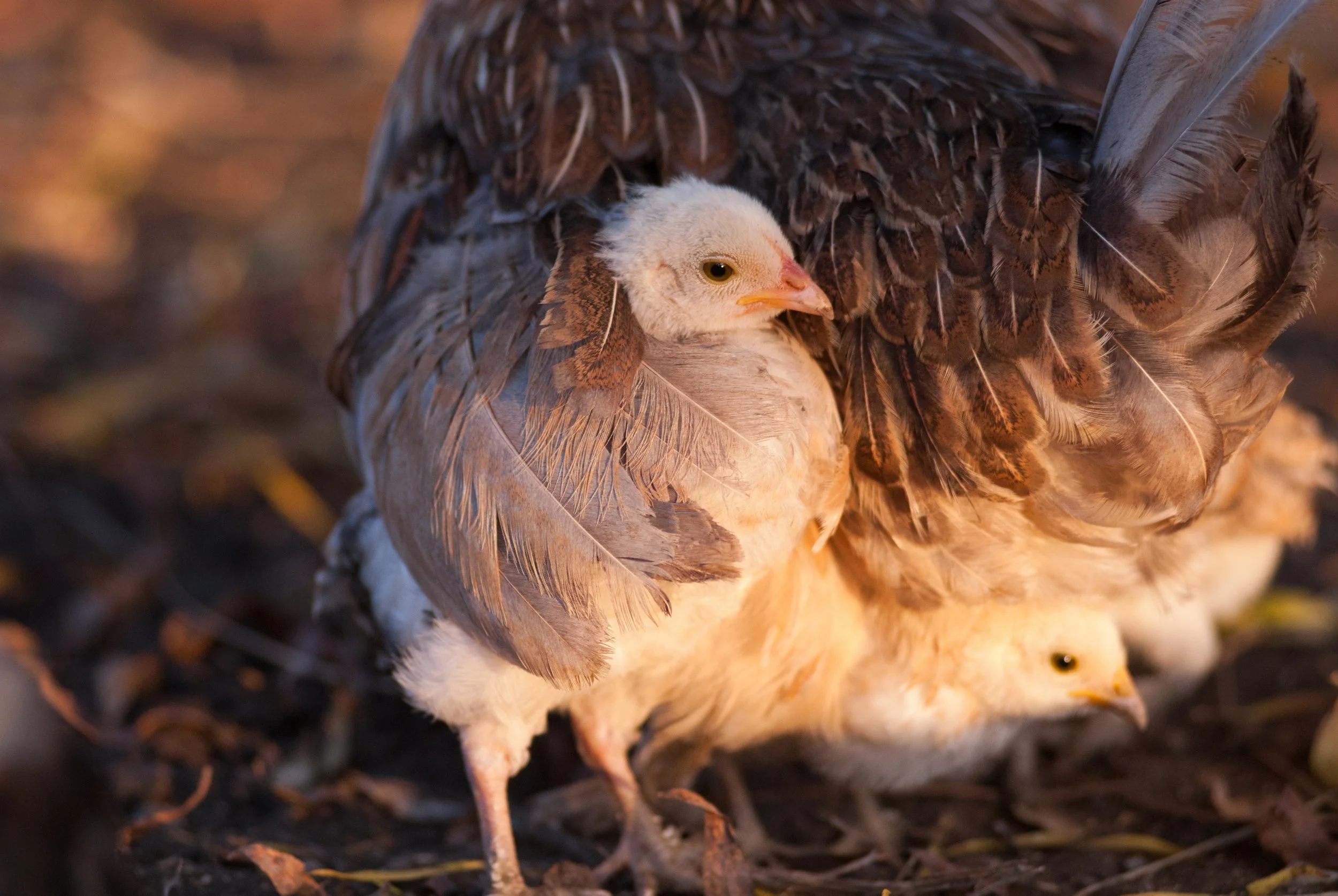
pARENTINGMotherhood in the Egg Industry
The vast majority of farmed animals, are female, and they are often subjected to unspeakable cruelty in the name of food. This includes cows used for dairy, pigs used for breeding, and of course, the layer hens used for their eggs. But it's not just the layer hens that suffer in the egg industry—it's also their mothers.
Continue reading

GUIDEThe Ultimate Egg-Replacer Guide
Are eggs really necessary? Spoiler alert: they're not! Whether you're transitioning to a plant-based lifestyle or just looking for healthier, cruelty-free alternatives, vegan egg replacements make it easier than ever to whip up your favorite dishes without compromising on taste or texture.
Ready to Go Vegan?
Going vegan is easier than you might think. This guided program makes the transition simple and sustainable. You'll find practical education alongside a supportive community to help you navigate your journey with confidence. Join Vegan Bootcamp for FREE and start today.