
Mission & Vision
Photo credits: Jo-Anne McArthur / We Animals
Unveiling the Truth and Catalyzing Change
Hens are bred to produce so many eggs, their bodies break down. They endure painful infections, bone fractures from calcium depletion, organ failure, and slaughter at a fraction of their natural lifespan. We share their truth so you can help end their suffering.
Our Mission
Our Strategic Approach
Why It Matters
How can you help us
Contents:
What happens when you join us
Our Vision
Why Trust Egg-Truth
About The Truth Organization
Our Mission
Our mission is two-fold:
Uncover the grim realities of egg production. Through data compilation, research synthesis, and documented evidence, we expose what the industry keeps hidden—the suffering inherent to how hens are bred, confined, and exploited.
Ignite a movement towards ethical choices. We believe that when people see the evidence clearly, they choose differently. We're dedicated to making that evidence accessible, undeniable, and actionable.
We are part of The Truth Organization, but we specialize entirely in eggs because this industry affects billions of animals and deserves dedicated, relentless attention.
Image caption
Our Strategic Approach: Four Stages of Change
Stage 1: Expose the gap. Between what the industry claims and what research shows. Cage-free vs. Actual confinement. “humane” vs. Documented suffering. This gap is where doubt grows.
Stage 2: Provide the evidence. We don't just say “it's wrong”—we show why, with research, data, and documentation. We make the evidence accessible and undeniable.
Stage 3: Normalize the alternative. We show that not eating eggs is normal, possible, delicious, and healthy. Plant-based options aren't sacrifices—they're improvements.
Stage 4: Sustain the movement. Through community, education, and ongoing reporting, we ensure that people who've made the shift stay informed and become educators themselves.
Why It Matters
Hens are bred to produce 250–300 eggs per year. Their bodies are built for 10–20. This extreme manipulation breaks them from the inside out—and it happens in every system, because the problem isn't how they're housed, it's what we've done to their bodies.
Their bones fracture. The constant demand for eggs drains so much calcium that over half of all hens suffer broken bones. They live in pain, but they keep producing until their bodies collapse.
Their organs fail. Reproductive systems overwhelmed by eggs they were never meant to lay. Livers and kidneys pushed beyond what any body can sustain. Disease isn't an accident—it's designed into them.
They're depleted. Every single day, their bodies are forced to create something that strips them of nutrients, causes chronic pain, and ages them at an unnatural speed.
They're killed as teenagers. At 18–24 months old, their production drops and they're sent to slaughter. They could have lived over 15 years.
Image caption
Help Us Reach More People With This Truth
Your support helps us directly in reaching people questioning their egg consumption.

What Happens When You Join Us
When supporters fund our work, we reach more people at critical decision-making moments. Each person who sees the evidence clearly is one more person choosing compassion over convenience. One person becomes ten. Ten becomes a hundred.
Our Vision
We envision a world where:
The myth of “humane eggs” is exposed and rejected.
People understand that no system of egg production can be ethical when the breeding itself causes inevitable suffering.Eggs are recognized as optional.
Nutritionally, culturally, and practically unnecessary. Plant-based alternatives are delicious, accessible, and normalized.Every hen is valued as an individual.
Their capacity to suffer matters. Their natural behaviors matter. Their lives have value beyond productivity.People move away from eggs with confidence.
Because they've seen the reality, understood the evidence, and chosen compassion.
1) Identify the Role of Eggs
Eggs serve several key functions in most recipes, each playing a unique role in creating the textures and structures we expect in baked goods and cooked dishes. Understanding how eggs work is the first step in finding the right vegan substitute.
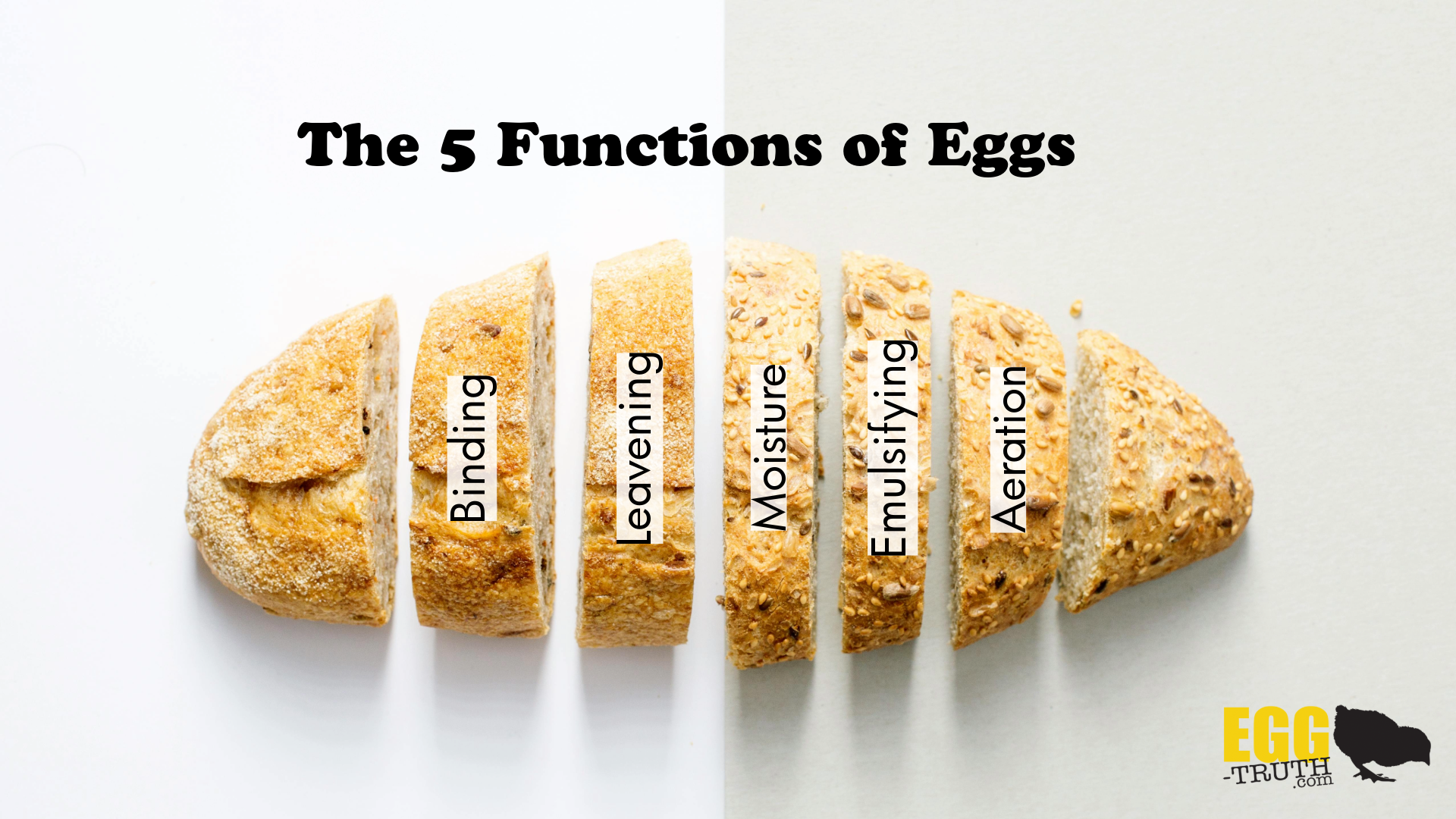
Binding: Eggs act as a glue that holds ingredients together. This is crucial in recipes like cookies, pancakes, veggie burgers, and plant-based meatloaf, where ingredients would otherwise crumble or fall apart. Replacing the binding properties of eggs ensures that your baked goods and savory dishes maintain their structure.
Leavening: Eggs help trap air and create lift, giving baked goods their rise. In recipes like cakes, muffins, and soufflés, eggs create a light and fluffy texture. Without proper leavening, baked goods can end up dense or flat. Choosing the right egg substitute for leavening will keep your treats soft and airy.
Moisture: Eggs contribute moisture to batters and doughs, adding richness and softness to cakes, brownies, and cookies. When eggs are replaced, it’s essential to use alternatives that provide similar moisture, so your baked goods don’t turn out dry or crumbly.
Emulsifying: Eggs act as natural emulsifiers, allowing fats and liquids to combine smoothly. This is particularly important in recipes like mayonnaise, custards, and creamy desserts, where a smooth, even texture is key. Using vegan substitutes that replicate this emulsifying effect will help you achieve the right consistency.
Aeration: Whipped egg whites are often used to incorporate air into mixtures, contributing to volume and lightness in recipes like meringues, soufflés, and macarons. The ability to trap air is critical for creating those delicate, airy textures. Vegan substitutes can mimic this function, allowing you to achieve the same light and fluffy results.
2) Choose the Best Substitute
| Egg Function in these baked goods |
Binding | Leavening | Moisture | Aeration | Emulsifying |
|---|---|---|---|---|---|
| Cookies | X | X | |||
| Cakes | X | X | X | ||
| Muffins | X | X | X | ||
| Brownies | X | X | |||
| Pancakes | X | ||||
| Quick Breads | X | X | X | ||
| Pies | X | ||||
| Savory Dishes | X | ||||
| Meringues | X | ||||
| Macarons | X | ||||
| Soufflés | X |
Binding (Holding Ingredients Together)
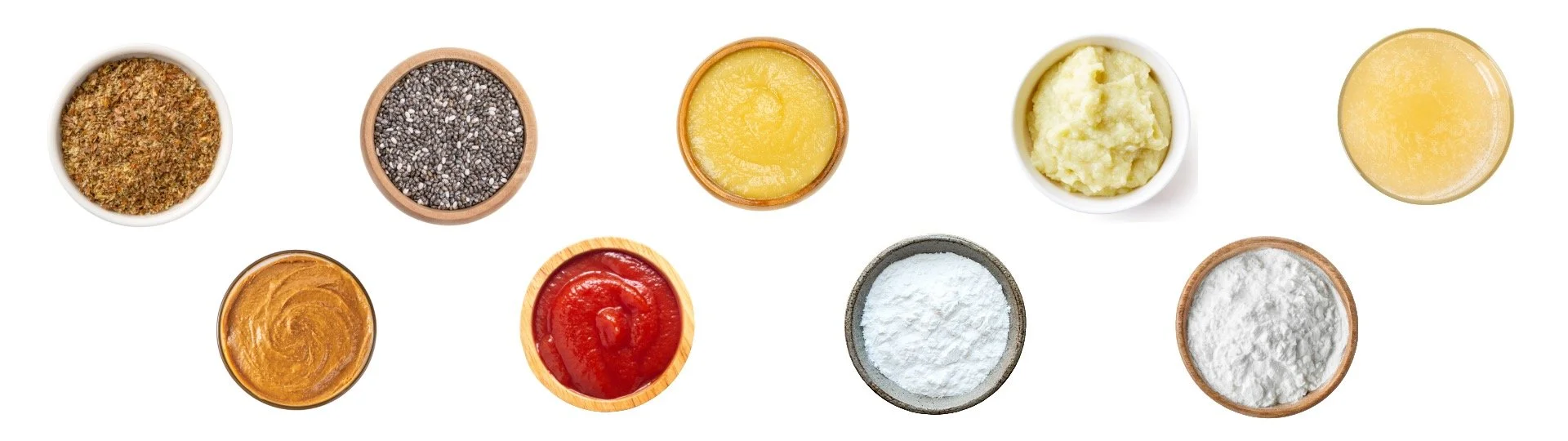
Flaxseed Meal (Flax Egg): 1 tbsp ground flaxseed + 2.5 tbsp water. Let sit for 10 minutes to thicken. Great for cookies, muffins, and veggie burgers.
Chia Seeds (Chia Egg): 1 tbsp ground chia seeds + 2.5 tbsp water. Similar to flax eggs, but forms a more gel-like consistency. Great for cookies and pancakes.
Applesauce: 1/4 cup unsweetened applesauce. Provides binding and moisture, but can add density. Best in muffins, pancakes, and cookies.
Mashed Banana: 1/4 cup mashed ripe banana. Adds sweetness and works as a binder, ideal for pancakes and quick breads.
Aquafaba (Chickpea Brine): 3 tbsp lightly whipped for 1 egg. Works well in cookies, brownies, and cakes.
Nut Butters: 2 tbsp peanut, almond, or cashew butter. Binds ingredients in dense baked goods like brownies, pancakes, and cookies.
Tomato Paste: 2 tbsp (ideal for savory recipes like plant-based meatloaf and burgers).
Arrowroot Powder: 2 tbsp + 3 tbsp water. Great for thickening sauces and adding smoothness to batters.
Potato Starch: 2 tbsp (works well in savory dishes like burgers and meatloaf).
Leavening (Helping Baked Goods Rise)

Baking Soda + Vinegar: 1 tbsp vinegar (apple cider or white) + 1 tsp baking soda. Perfect for cakes and muffins.
Carbonated Water: 1/4 cup. Adds bubbles and lightness, great for cakes and muffins.
Non-Dairy Yogurt (Unsweetened): 1/4 cup + 1/2 tsp baking powder. Helps with leavening and moisture in cakes.
Diet Soda: 1/2 cup, great for cakes (especially when you're in a hurry).
Moisture (Adding Richness and Softness)
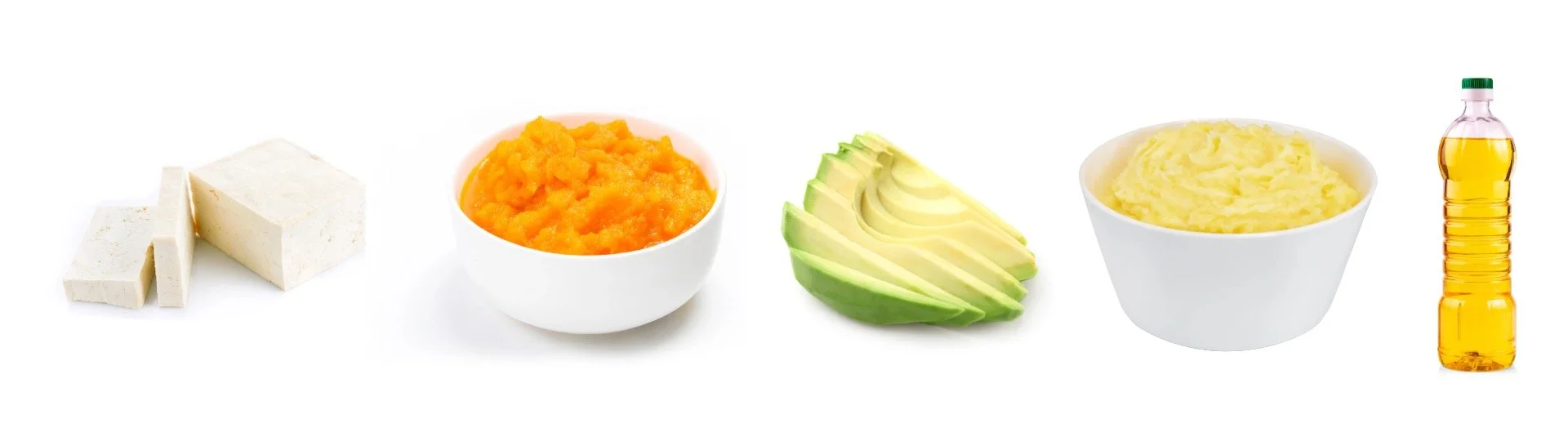
Silken Tofu: 1/4 cup puréed. Provides moisture and creaminess in dense baked goods like brownies, pies, and cheesecakes.
Pumpkin or Sweet Potato Purée: 1/4 cup. Adds moisture and slight sweetness, ideal for breads, muffins, and brownies.
Avocado: 1/4 cup mashed. Adds richness and moisture, best in dense baked goods.
Vegetable Oils (Olive, Coconut, Canola): 1/4 cup. Works well in cakes and quick breads to add moisture.
Mashed Potatoes (White or Sweet): 2 tbsp mashed. Good for savory dishes like meatloaf.
Aeration (Providing Volume and Fluffiness)
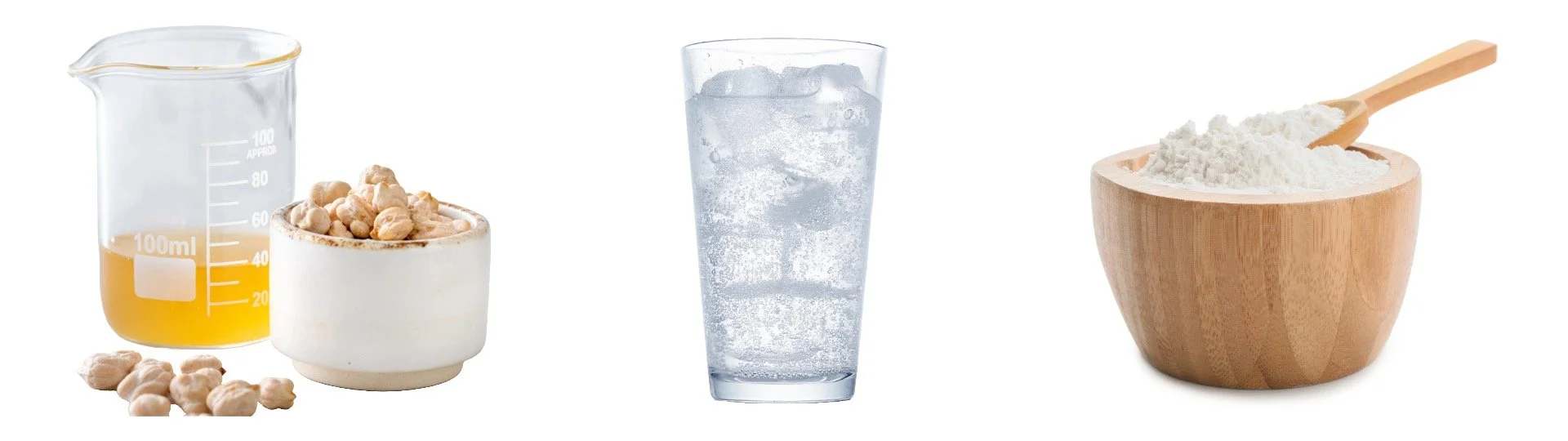
Aquafaba (Whipped): 3 tbsp whipped to stiff peaks with cream of tartar. Ideal for meringues, macarons, and soufflés.
Carbonated Water: 1/4 cup. Traps air bubbles for a light, fluffy texture in cakes and muffins.
Agar-Agar: 1 tbsp agar-agar + 4 tbsp boiling water. Great for meringue.
Emulsifying (Combining Fats and Water)
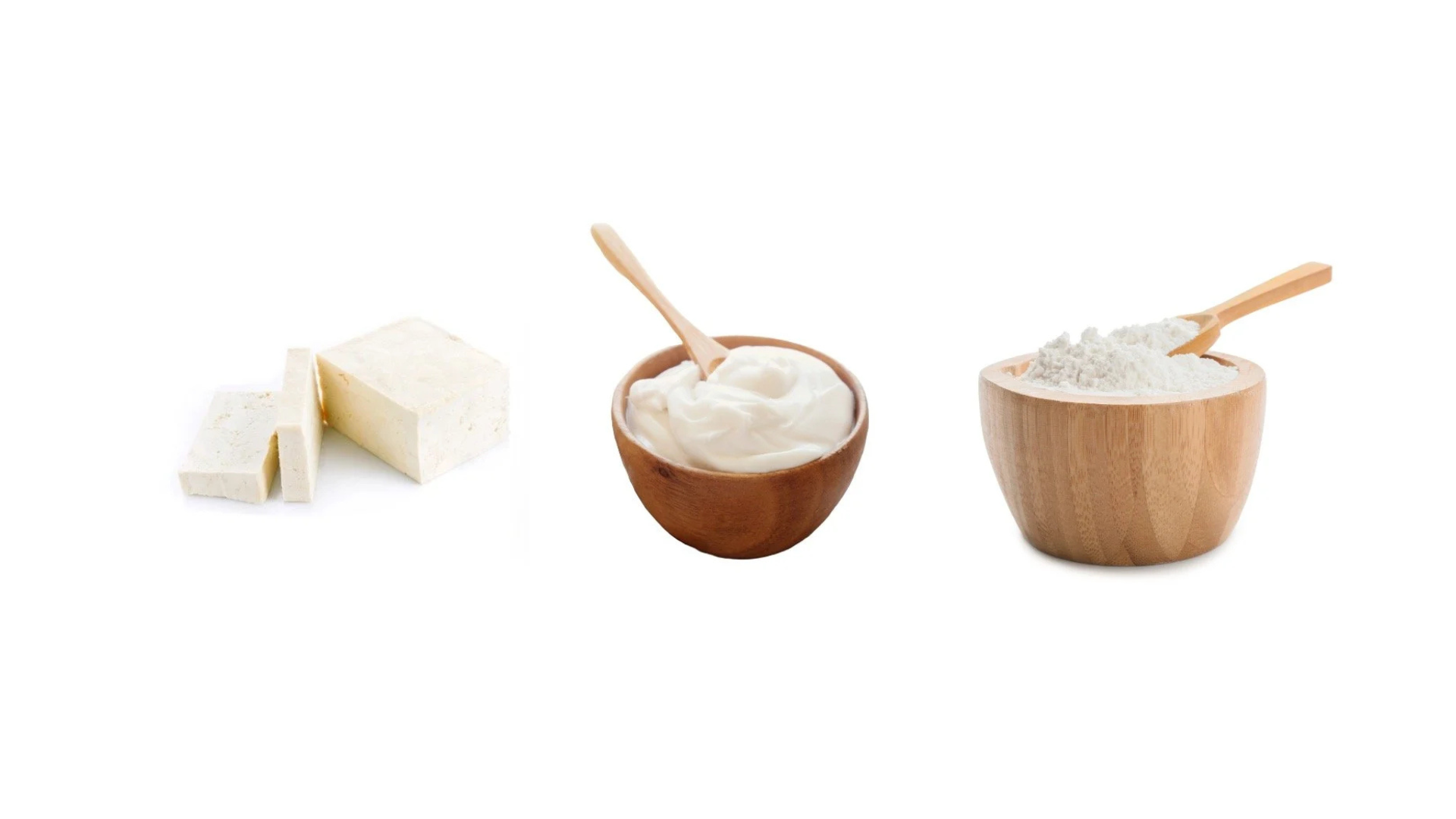
Silken Tofu: 1/4 cup puréed. Acts as a great emulsifier in creamy desserts like pies and cheesecakes.
Non-Dairy Yogurt: 1/4 cup. Helps combine fat and water in batters, especially for cakes.
Cornstarch or Arrowroot Powder: 1 tbsp starch + 2 tbsp water, works to bind and emulsify in sauces and custards
3) Test, Adjust and Tweak
Starting out with egg-free baking and cooking may feel intimidating, but this guide is designed to empower you to ditch eggs in most recipes and confidently begin your egg-free journey. It’s important to remember that every recipe might need slight adjustments depending on the ingredients and replacements you use—so don’t be afraid to experiment!
For example, if your batter seems too thick, try adding a bit more liquid or your chosen egg replacement. If it’s too runny, reduce the liquids or increase the binding agents. Vegan baking often requires a bit of flexibility, but once you get the hang of it, you’ll be amazed at how easy and satisfying it can be.
Feeling unsure? No problem! There are plenty of tried-and-tested vegan recipes to guide you through the process. Whether you're baking a decadent cake, flipping pancakes, or whipping up a hearty breakfast, our collection of recipes has you covered on our blog, or check out this collection of drooling recipes.
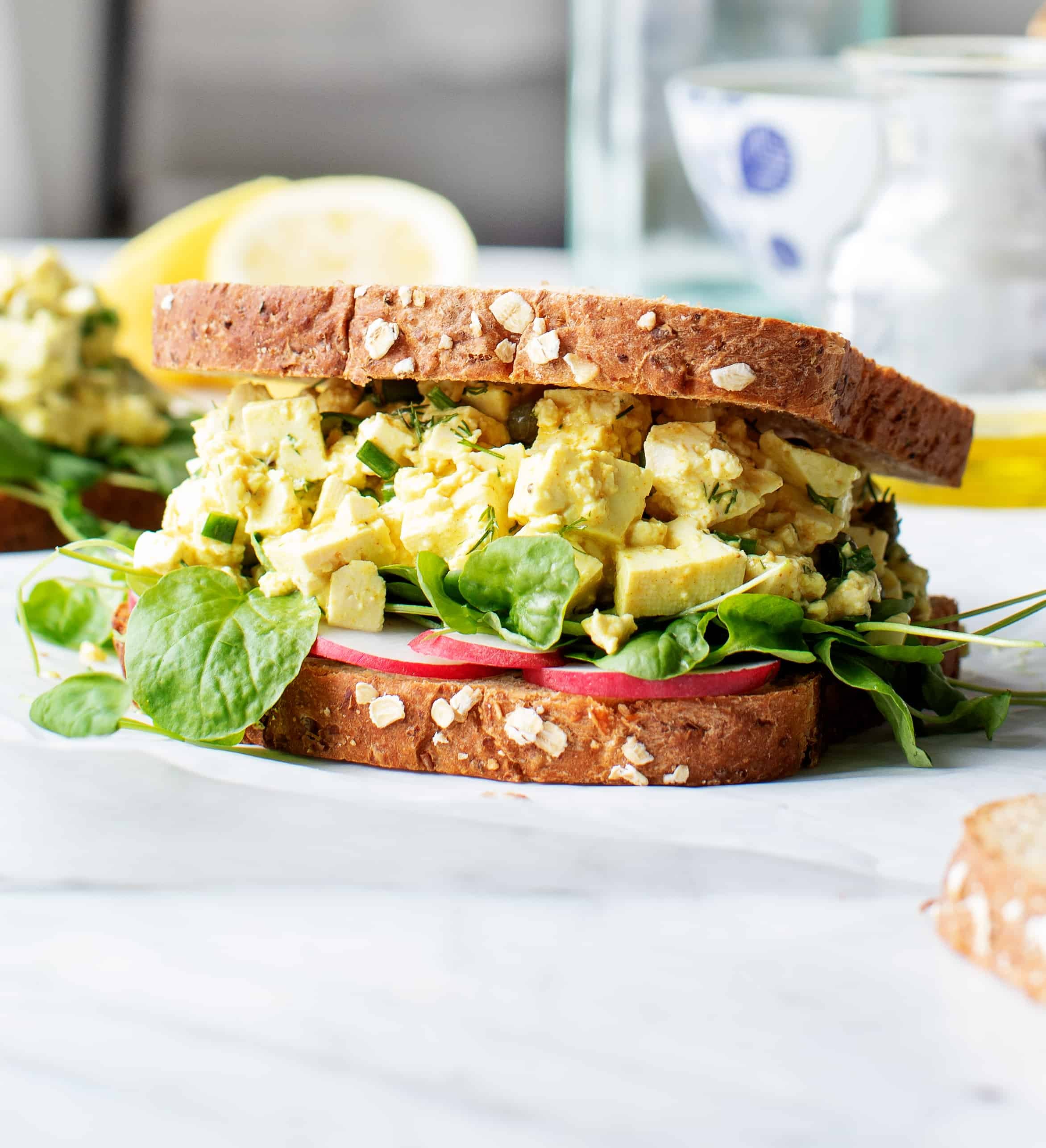

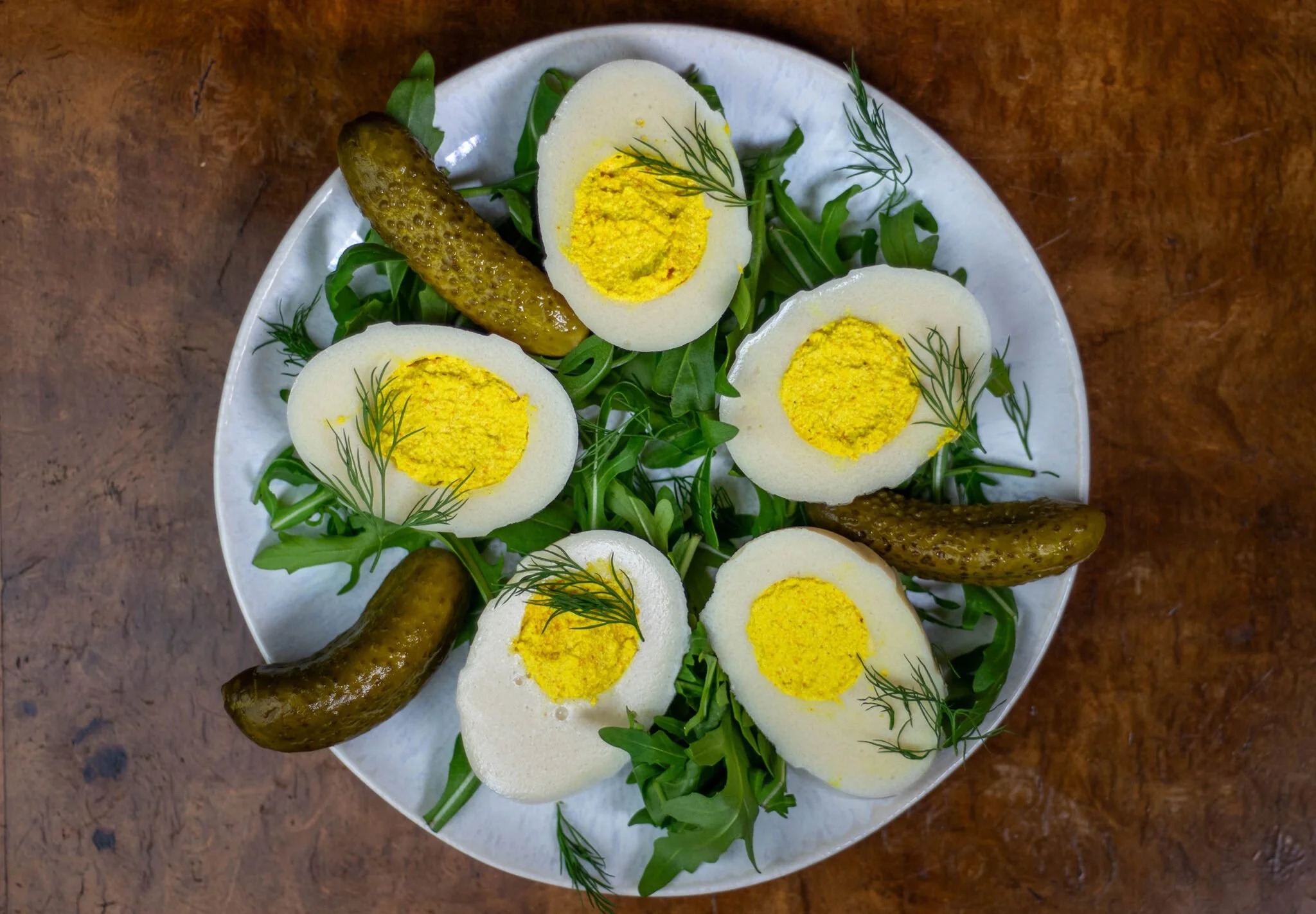
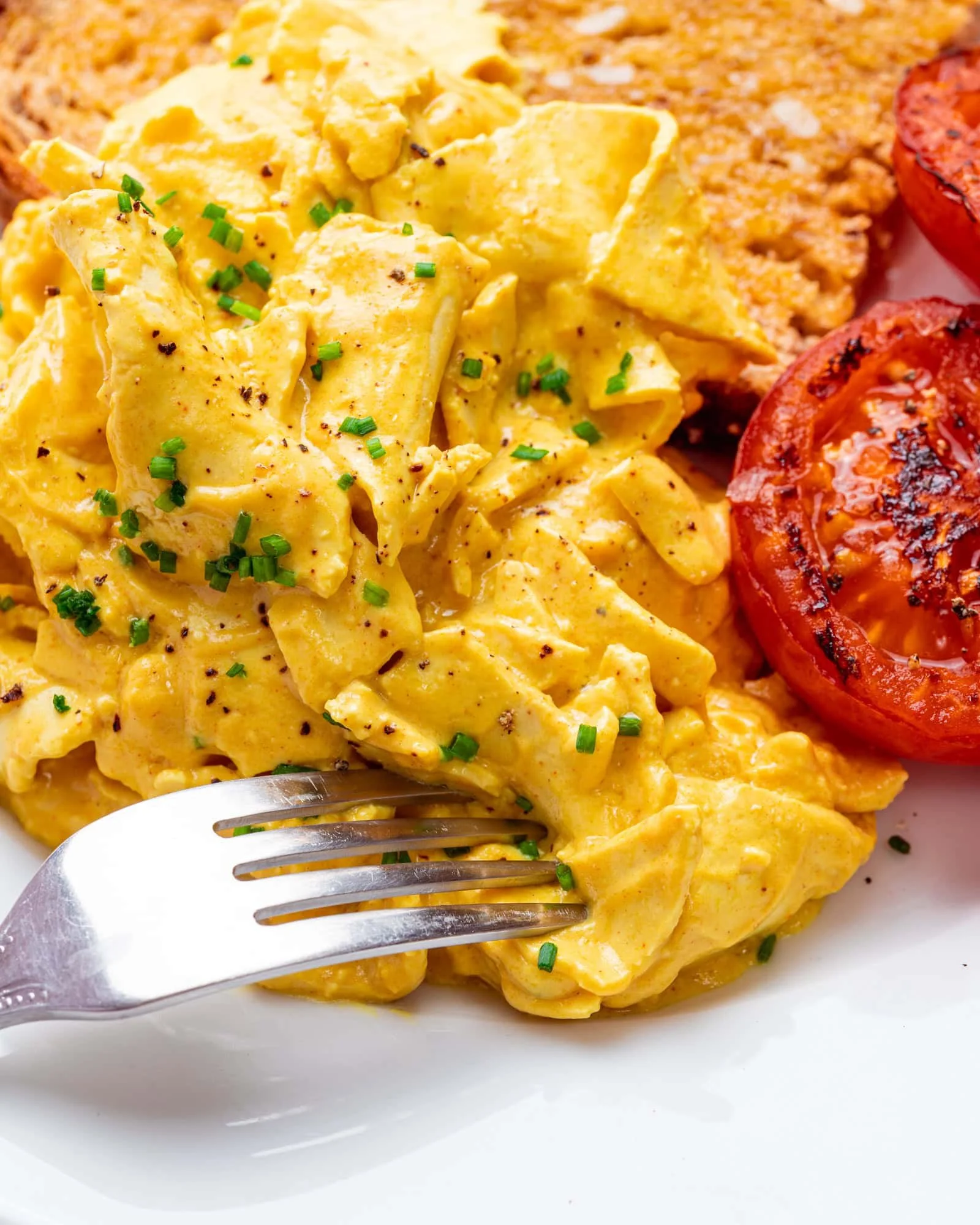
Vegan egg replacements have come a long way in recent years, and many options are now readily available on supermarket shelves. For an extensive list of the best vegan egg substitutes you can find in North America, check out our detailed guide.
Swapping out eggs in your recipes doesn’t mean sacrificing taste or texture. Whether you’re looking to go fully plant-based or just want to try something new, these egg replacements will help you make delicious meals while staying compassionate.
Image caption
Additional Resources & Support
Ditching eggs is more than a dietary change—it's about choosing compassion over convenience and creating lasting change for animals, your health, and the planet.
Remember:
Every challenge you face has been overcome by millions before you
The emotional and social difficulties ease with time as you build confidence and community
Your choice directly reduces demand for an industry that kills billions of animals annually
You'll discover incredible new foods, recipes, and perspectives you never would have encountered otherwise
A well-planned plant-based diet supports optimal health and reduces chronic disease risk
Every egg-free meal matters. Every conversation about animal welfare plants seeds of change. Every recipe you master builds your confidence.
The key is staying connected to your values, surrounding yourself with support, and remembering that compassion is always the right choice.
Ready to Start?
Bookmark this page for easy reference
Try one commercial egg alternative from our product recommendations [link to products page]
Enroll in Vegan Bootcamp for personalized support [link this invite link https://veganbootcamp.org/invite?code=truth]
Explore vegan living on your own using these essential references [link to resources page]
Will you join the movement toward a world where compassion leads the way? Your journey starts today, and every step forward creates a kinder future for all animals.
Further Reading & Resources

culling alternativesIn-Ovo Sexing
Step into the egg industry's latest buzz: In-ovo sexing. While sensationalized as “The cutting-edge technology trying to save millions of male chicks from being gassed” and “A Simple New Technique Could Make Your Eggs More Humane” by major media outlets, the truth is more complex.
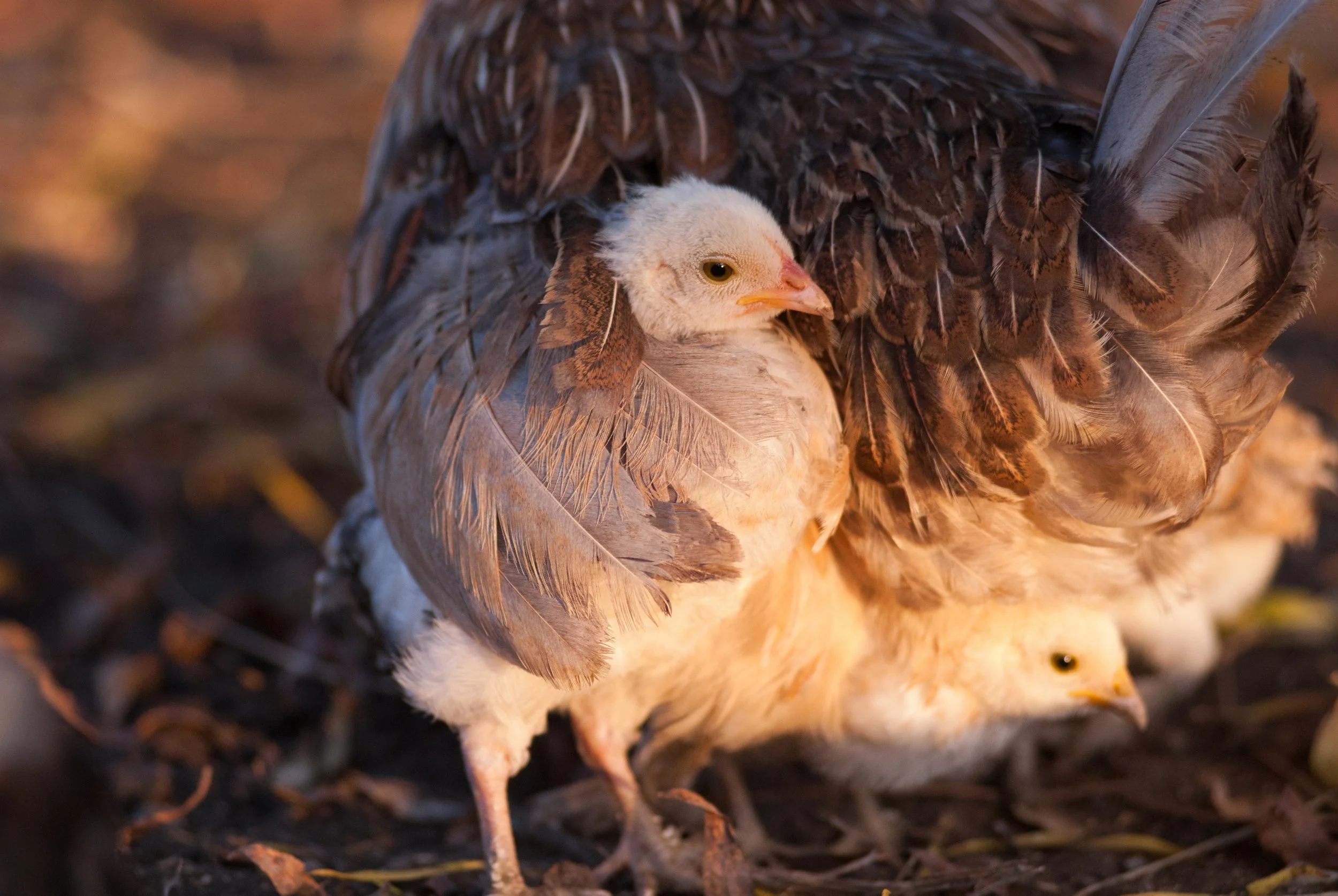
pARENTINGMotherhood in the Egg Industry
The vast majority of farmed animals, are female, and they are often subjected to unspeakable cruelty in the name of food. This includes cows used for dairy, pigs used for breeding, and of course, the layer hens used for their eggs. But it's not just the layer hens that suffer in the egg industry—it's also their mothers.
Continue reading

GUIDEThe Ultimate Egg-Replacer Guide
Are eggs really necessary? Spoiler alert: they're not! Whether you're transitioning to a plant-based lifestyle or just looking for healthier, cruelty-free alternatives, vegan egg replacements make it easier than ever to whip up your favorite dishes without compromising on taste or texture.