Egg-free Living: Navigating Veganuary with Sarah
Join Sarah this Veganuary as she uncovers the hidden truths of the egg industry. Discover cruelty-free alternatives, egg-free recipes, and tips on how to make your compassionate resolution last all year long.
Meet Sarah, a passionate food enthusiast diving into Veganuary—a vibrant time filled with culinary exploration and joyous laughter. In her small kitchen, friends gather to experiment with new plant-based recipes and share stories. However, as the conversation shifts towards the food system, a question that nobody can quite crack lingers—what's wrong with eggs?
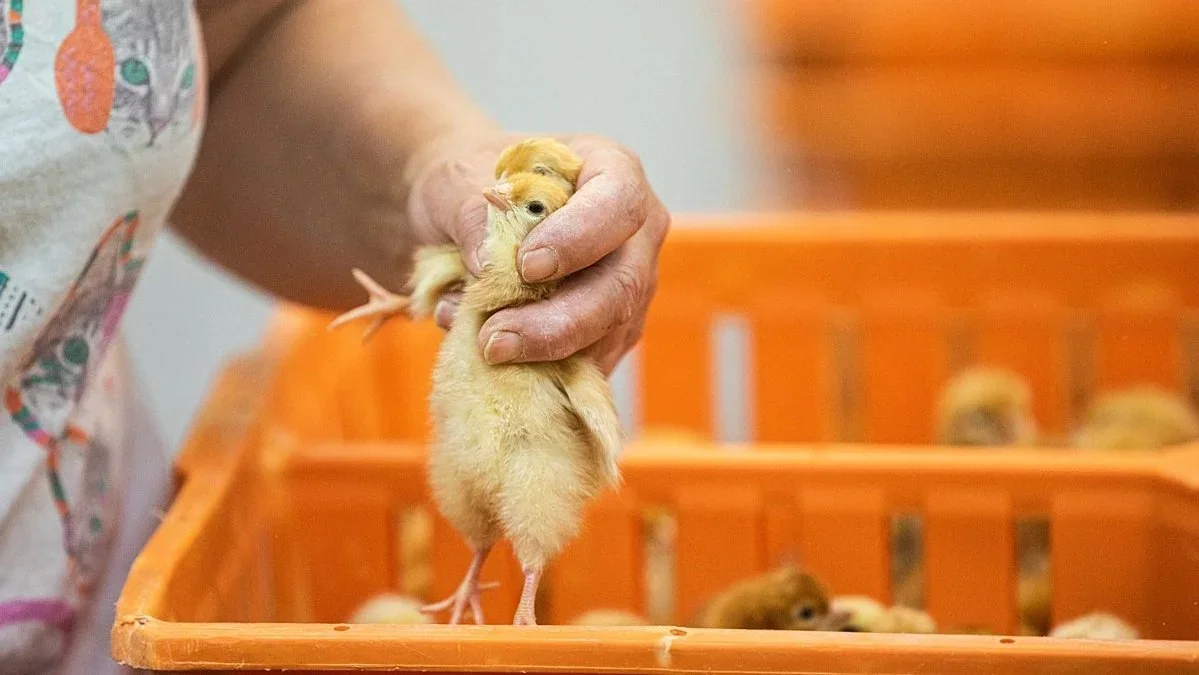
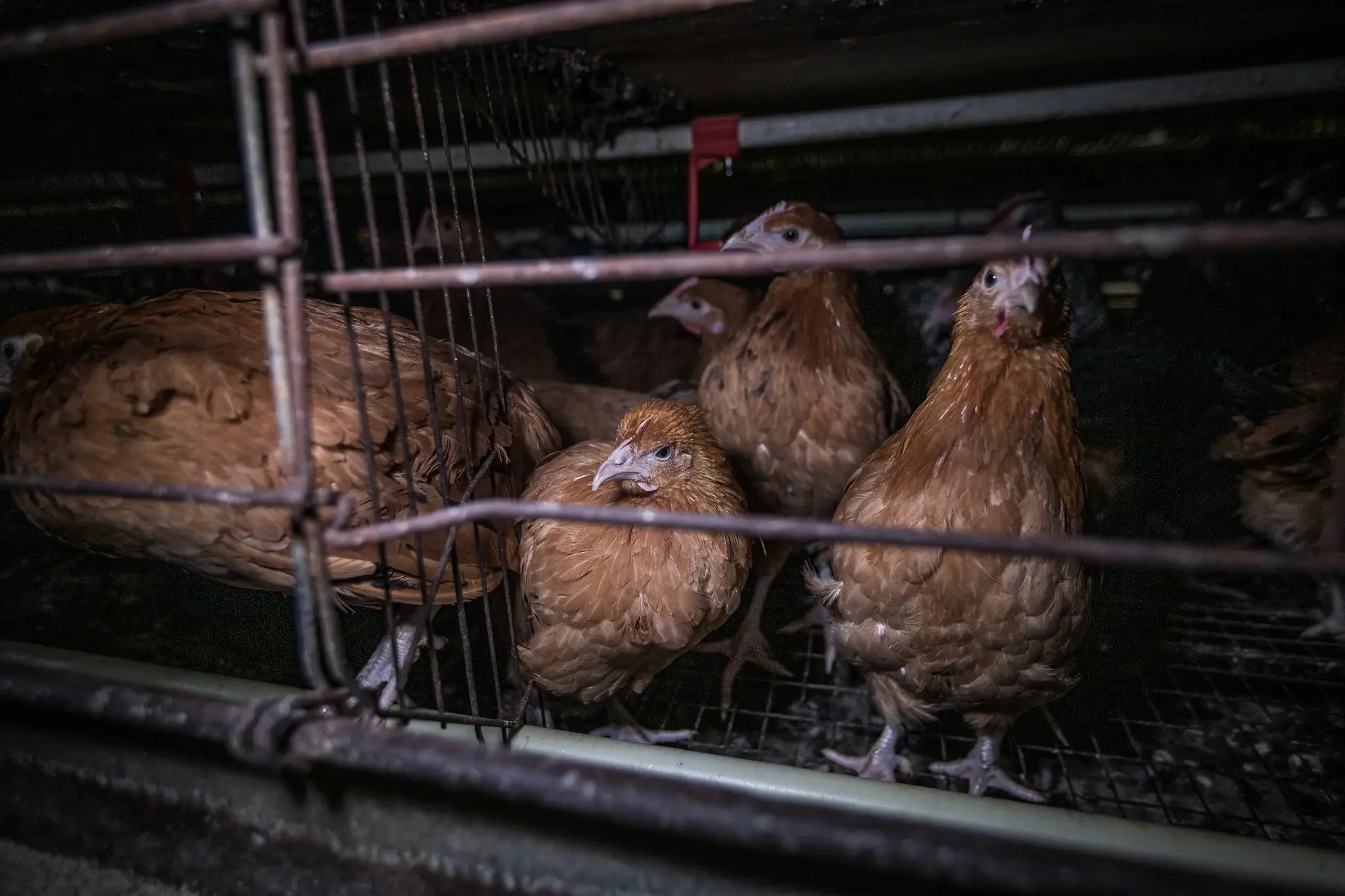
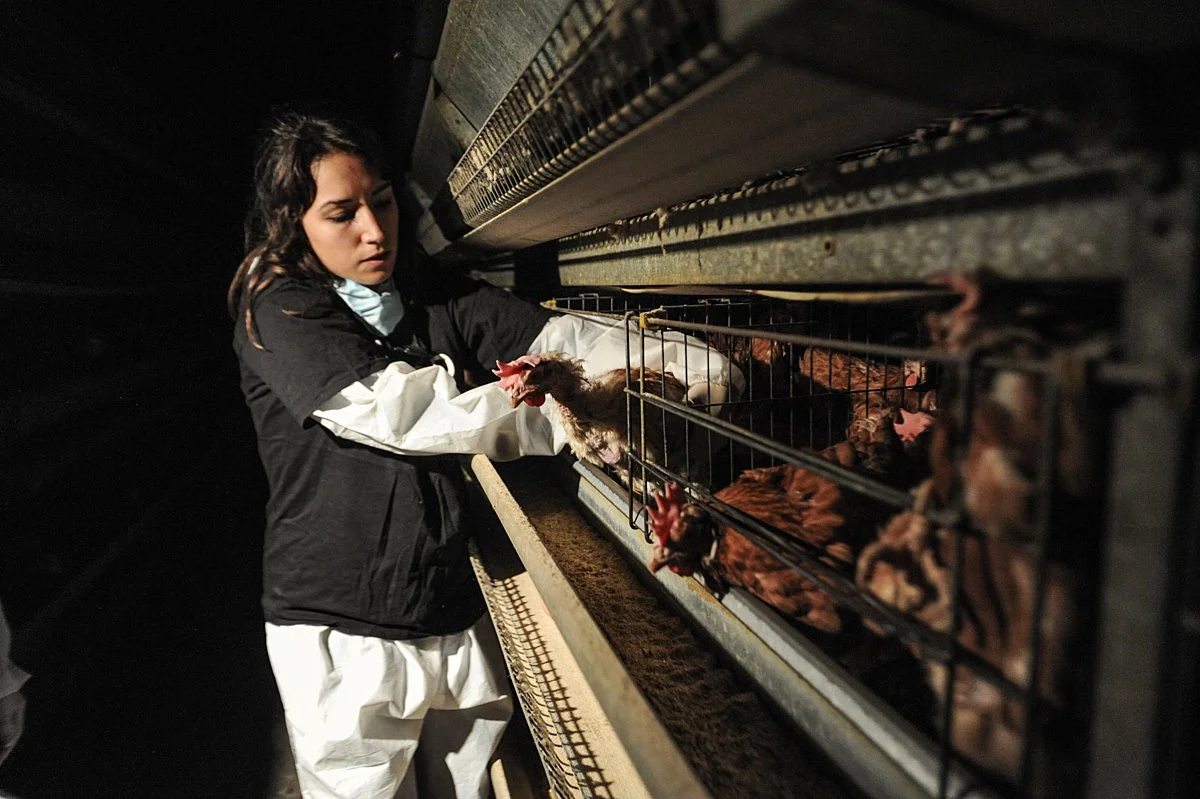
As the night winds down and Sarah bids farewell to her friends, she delves into a quest for answers. It doesn't take long for her to confront the harsh realities of the egg industry. Huddled over her tablet at the kitchen table, she sifts through gut-wrenching images—layers of hens crammed into battery cages and 'cage-free' barns, their movements restricted. These creatures are sentient, Sarah discovers, possessing intelligence akin to her cherished cat 'Sergeant Fluff.' Yet, they endure suffering on a scale most wouldn't tolerate for dogs or cats. A disturbing insight hits Sarah just when she thinks she's seen enough: for every female chick fated for a life of abuse, mutilation, and malnourishment, there's a male chick denied a chance at life.
As Sarah lies in bed, reflecting on the delightful dinner with friends and the eye-opening facts she's just absorbed, she wonders—aren't eggs from small homesteads and backyard setups harmless? Surely, those hens, living outdoors with grass under their feet, are well cared for. The next morning, fueled by curiosity, she scours Insta for pictures of idyllic hen farms nearby. Amidst the many backyard chicken enthusiasts on social media who seem to have cracked the egg dilemma, she stumbles upon a woman dedicated to rescuing chickens from dire situations.
This chicken-saving advocate, once an organic and pasture-raised egg supporter, transitioned to an egg-free lifestyle after witnessing the relentless suffering inflicted by breeding. Sarah's feed becomes a revelation—hens, much like companion animals, have been artificially selected for traits deemed 'desirable' by humans. The comparison strikes a chord as she learns that, just as bulldogs face birthing challenges due to human-driven transformations, hens are ruthlessly bred to lay over 300 eggs annually—a stark increase from their ancestors' 10-15, far beyond their natural capacity. The notion of chickens in backyards and homesteads not being exempt from suffering dawns on her.
For Sarah, abandoning eggs feels like the only ethical choice, yet she hesitates. Childhood breakfast memories, filled with the comforting aroma of scrambled eggs and entwined with the fragrance of fresh coffee, flood her thoughts. Eggs with buttered toast were more than a meal; they were a cherished ritual, a piece of personal history. Baking, a beloved tradition, with her grandmother, involved the joyous cracking of eggs. This decision proves harder than she anticipated.
Lost in her nostalgia, Sarah receives a call from her best friend, a Veganuary companion. She's over the moon about the egg-like breakfast she tried that morning. Intrigued, the friends decide to explore the supermarket for more alternatives. They discover a world of innovative products, special promotions in place for the month. Sarah is nervous at first, but then she becomes excited when she realizes it's easy to bake without eggs once she understands their importance in recipes.
Back in the office on Monday, Sarah proudly shares her newfound discoveries with colleagues during lunch. One of them remains skeptical, stating that to truly ditch eggs, she must go beyond merely spotting the word 'eggs' on the ingredient list. He shares his brother's experience, who, being allergic, learned the hard way that they hide under various names in different products. The conversation delves into the complexity of identifying egg-based ingredients, including the use of prefixes like ovo- or ova- and tricky terms like Albumin and Apovitellin that read like a secret code. Unfortunately, this is not the only demotivating experience. When Sarah discusses her dietary choices with her parents, she encounters disapproval and additional criticism.
Staying on track can surely become a struggle. The key to sustaining an egg-free and vegan life is to stay motivated and remind oneself of the initial reasons for the journey. Videos and educational content on social media channels can be useful for keeping eggs off the table and passing along knowledge to curious friends.
Ordering at eateries to make sure nutrients and proteins are in order can remain a challenge. We offer our recommendation to enroll in the Vegan Bootcamp, a comprehensive resource that dissects information into easily digestible sections and provides personalized guidance.
As Sarah's story unfolds, it’s not just about what’s on the plate—it’s about challenging norms, making compassionate choices, and creating lasting change. This journey reshapes perspectives, for the animals and for a future that values kindness over convenience. Will you join her in choosing a world where compassion leads the way?
Resources & Further Reading
Further Reading:
The Path To a Vegan World: How to Love All Animals
Speciesism: Why Love Some Animals and Eat Others
Resources:
How to Replace Eggs: Recipes and Resources
Ready to Go Vegan? Vegan Bootcamp
Best of 2024
Join us in reflecting on the progress made and the exciting future ahead.
Image: WeAnimals
With bird flu leading to the mass depopulation of hens and the rise in backyard chicken keeping ignited by the pandemic, is there really anything to celebrate about eggs in 2024?
While these challenges are undeniable, the movement toward a compassionate, plant-based world is growing stronger each day. It’s clearer than ever that each of us has a role to play in creating change. From the rise of plant-based diets to growing awareness of the cruelty in the egg industry, real progress is unfolding.
Let’s take a moment to reflect on the strides we’ve made and look forward to the exciting journey ahead.
Animal Welfare Legislation Challenges
While some shifts in animal welfare legislation in 2024 are being celebrated, we must face the reality that these changes, though well-meaning, still fall short in addressing the deep-rooted issues within the egg industry. This year, attention has been placed on cage-free systems and technologies designed to reduce chick culling in hatcheries. On the surface, these might seem like steps forward, but they fail to challenge the heart of the problem: the relentless exploitation of chickens. Cage-free systems still confine hens in overcrowded, stressful environments, and male chicks—who can’t lay eggs—continue to be culled in vast numbers, regardless of technological advancements. These so-called “improvements” miss the mark because they don’t disrupt the core injustice: treating living beings as mere commodities for profit. True progress for animals means moving beyond exploitation entirely—embracing a world where no animal is harmed for food, and where industries profiting from their suffering are a thing of the past.
Animal Justice Project Activist Educating the Public During a Street Outreach in Cambridge, UK
That said, the growing awareness around the suffering of animals in the food industry is a shift worth celebrating. It’s inspiring to see more people question long-standing practices and demand better for the animals who share our world. More people than ever are talking about the realities behind their food choices, and this is just the beginning. At Egg-Truth, we want to ignite change, encouraging individuals to challenge old habits and embrace compassion. We’re excited to continue amplifying this growing wave of awareness and, together, we’ll push the conversation further—toward a future where plant-based food systems are the standard, and the exploitation of animals is a distant memory.
The Plant-based Egg Market
In the past few years, the plant-based egg alternative market has seen remarkable growth, driven by increasing consumer awareness of health, ethics, and sustainability. As more people embrace plant-based options, they are turning away from traditional egg production, which is notorious for its environmental impact—high water usage and significant greenhouse gas emissions. This shift toward more sustainable food choices presents a huge opportunity for the vegan egg market, with demand steadily rising.
Innovation has played a key role in this progress. Companies like Eat Just Inc. are creating plant-based eggs that closely resemble traditional ones in taste, texture, and functionality. Products like JUST Egg are now widely accepted and used in various dishes, while fortification with essential nutrients like Omega-3s, Vitamin B12, and iron addresses nutritional concerns. The growing availability of vegan eggs in major grocery chains and online platforms has made these alternatives more accessible, allowing even more people to incorporate them into their diets and driving the market’s expansion.
Our Work — Partnerships
One of the most invigorating parts of our work this year has been forging and strengthening partnerships with like-minded individuals and organizations. We are especially excited about the flyer project with Kerstin Brueller—now available online and completely free—that offers invaluable information about the egg industry and realistic steps toward going egg-free. Not only is it ready to print and share, but it’s also a resource that can be adapted for any form of advocacy, from street outreach to leafleting at community events and online campaigning.
This is just the tip of the iceberg. We’ve gathered a wealth of materials for everyone who wants to engage in activism, whether in their spare time or as full-time advocates. Education about the egg industry and their labels, plus practical tips on leaving eggs behind, is now more accessible than ever.
Our work with Danzig Roost, Rooster Redemption, and The Browns’ Microsanctuary has been especially close to our hearts. These three incredible organizations hold a special place for roosters, the often-overlooked victims of the egg industry. Roosters, who are discarded due to their inability to lay eggs, find a loving home in these sanctuaries. Through our collaborations, we've worked together to raise awareness about the plight of roosters, showing that their lives matter too.
And we continue to support and share content with Little Cage Fighters, whose tireless work, beautiful content, and honest advocacy continue to inspire us. Together, we are amplifying the message that no animal deserves to be mistreated or discarded.
The Year(s) Ahead
As we head into the new year, we’re gearing up for some major changes—starting with a comprehensive website redesign. This will ensure that all the hard-earned information, the personal stories, and the actionable steps are easier to find and share. We want our online home to be a welcoming, organized space that encourages engagement and makes it simple for anyone to join the movement, learn about the issues, and find support in going egg-free.
In addition, we’re planning to invest in paid content to broaden our reach beyond what we’ve achieved organically, bringing these truths to new audiences who have yet to consider how their meals affect living, feeling beings.
We’re also committed to giving our newsletter more attention. By signing up, you’ll receive updates, deeper insights, opportunities to connect, and the encouragement you need to be part of this compassionate change. Follow us on social media for daily content to be shared and engaged with.
Gratitude
None of these accomplishments would be possible without the people who keep this movement alive every single day. Change of this magnitude isn’t achieved by one voice—it’s a chorus, a community, a family. Each of you, whether you’ve shared a recipe, posted an educational link, participated in political action, or simply taken a moment to reflect on your own habits, has played a part in this progress.
We also want to thank our volunteer, Michelle Bray, who has been tirelessly ready to lend a hand. And our advisors, both old and new, who work behind the scenes to keep our content accurate, up-to-date, and meaningfully presented. Your dedication, insight, and compassion form the backbone of everything we do.
Together, we are building a safe, supportive community where our collective efforts bring us closer to a vegan world—one where all animals can live without being forced into someone’s meal plan. It’s a long road ahead, but it’s a journey worth taking as we challenge ourselves, open our hearts, and believe in a kinder world.
Now, let’s move forward and make the coming year even brighter.
Reources & Further Reading
Further Reading:
The Path To a Vegan World: How to Love All Animals
Speciesism: Why Love Some Animals and Eat Others
Resources:
How to Replace Eggs: Recipes and Resources
Ready to Go Vegan? Vegan Bootcamp
Should Ethical Vegetarians Eat Eggs?
While eggs may seem less harmful than meat, the truth is that they are a key product of an industry that views chickens as commodities, not living beings.

Eggs are often seen as a gray area in vegetarian diets—while meat is typically off the plate, eggs somehow manage to stay.
For many vegetarians, eggs are an easy source of protein and a convenient part of daily meals. But for those who strive to live compassionately, can eating eggs really align with ethical values? The truth is, the egg industry thrives on cruelty and exploitation, no matter the label on the carton. By the end of this post, we’ll explore whether ethical vegetarians should continue eating eggs—and why anyone committed to reducing harm may want to reconsider their choice.
Why Are You Vegetarian?
Many people become vegetarian for moral reasons, driven by a desire to reduce animal suffering. Ethical vegetarians believe that animals should not be killed or exploited for food, recognizing that animals have a right to live free from harm. The decision to avoid meat is rooted in the belief that no sentient being should be treated as a mere resource for human consumption.
However, vegetarianism is also common for other reasons—health, environmental sustainability, or simply personal preference. But whether the choice is moral or not, it’s important to understand how the egg industry fits into this conversation and why even those who became vegetarian for non-moral reasons might want to start thinking about the ethical implications of eggs.
What makes it so Hard to Ditch Eggs?
For many vegetarians, eggs are a dietary staple. They’re convenient, found in countless recipes, and often seen as essential for protein. The idea of baking without eggs or skipping an easy omelet can seem overwhelming. But this struggle is very common—many vegetarians hold onto eggs because they’ve been taught to believe they’re irreplaceable. And socially, eggs are still widely accepted as “harmless,” even in ethical discussions.
There’s also the convenience factor—eggs are easy, quick, and familiar. For someone who’s already made the leap to stop eating meat, giving up eggs can feel like one more challenge. But studies show that overcoming this hurdle is possible, and today’s plant-based alternatives make it easier than ever.
The Dark Reality of Eggs: The Cruelty Behind Every Carton
Here’s the difficult truth: eggs aren’t as innocent as they appear. The industry thrives on killing. Male chicks, unable to lay eggs and therefore seen as useless, are killed by the billions every year—often through brutal methods like being ground up alive or suffocated. This practice happens regardless of whether the eggs are labeled “free-range,” “organic,” or “cage-free”.
Even the hens who do lay eggs live short, miserable lives. They are bred to lay far more eggs than their bodies are naturally capable of, leading to exhaustion, physical breakdown, and suffering. Once their egg production declines, they are sent to slaughter. The label on the carton doesn’t change this—these animals are still viewed as commodities, and when they’re no longer profitable, they are killed. For a deeper dive into the hidden horrors behind egg labels, read more here.
Why Every Vegetarian Should Care
For those who became vegetarian for health or environmental reasons, it’s worth asking—does supporting an industry built on suffering really align with these goals? Eggs are often seen as a “neutral” option, but they’re anything but. The environmental impact of egg production includes resource-intensive farming practices and the pollution caused by industrial-scale facilities. And from a health perspective, eggs are high in cholesterol and saturated fat—both of which can have long-term negative effects on health.
Beyond health and sustainability, there’s a deeper moral question: Do animals deserve to suffer for convenience? Even if moral concerns weren’t part of the initial decision to go vegetarian, the realities of the egg industry provide compelling reasons to reconsider. Compassion, after all, is a value that transcends dietary choices—it’s about recognizing the right of animals to live without exploitation.
Should Ethical Vegetarians Eat Eggs?
The answer is clear: No, ethical vegetarians should not eat eggs. The egg industry, no matter the label, is built on exploitation and death. For anyone who values the right of animals to live free from harm, continuing to eat eggs contradicts those principles. But it’s not just about ethics. Whether for health, environmental reasons, or compassion for living beings, there are countless reasons to leave eggs off the plate.
So, what’s stopping the switch to egg-free? Is it breakfast, baking, or just the idea of giving up a convenient food? Don’t worry—many vegetarians feel the same way. The good news is that it’s easier than ever to find delicious, easy alternatives that make this transition smoother than expected. Whether it's a chickpea scramble or flaxseed for baking, there’s a cruelty-free option for every craving. If you’re looking for inspiration, check out our guide to egg replacements.
Sources & Further Reading
Article Sources:
https://faunalytics.org/why-do-vegetarians-continue-eating-cheese-and-dairy/
https://faunalytics.org/understanding-cognitive-dissonance-in-vegetarians-and-pescatarians/
https://faunalytics.org/differing-empathy-in-vegetarians-vegans-and-omnivores/
Further Reading:
Misleading Welfare Labels: The Cage-free Illusion
Inherent Cruelties of Eggs: Backyard Chickens
How to Replace Eggs: Recipes and Resources
Ready to Go Vegan? Vegan Bootcamp
The Ultimate Vegan Egg Replacement Guide
Starting out with egg-free baking and cooking may feel intimidating, but this guide is designed to empower you to ditch eggs in most recipes and confidently begin your egg-free journey.
Are eggs really necessary? Spoiler alert: they're not!
Whether you're transitioning to a plant-based lifestyle or just looking for healthier, cruelty-free alternatives, vegan egg replacements make it easier than ever to whip up your favorite dishes without compromising on taste or texture.
Eggs play several crucial roles in baking and cooking—from binding ingredients to adding moisture, leavening, and even aerating batters. But with the right knowledge, it’s easy to replicate those functions using vegan ingredients. In this guide, we’ll dive into the science behind eggs in recipes, explore plant-based replacements for each function, and share tips for using them.
Step-by-Step Guide to Egg-Free Cooking
Identify the Role of Eggs: Determine if eggs in the recipe are used for binding, leavening, moisture, or aeration.
Choose the Best Substitute: Use the guide above to match the egg replacement to the egg's function.
Adjust, Test and Tweak: Some substitutes (like applesauce or mashed banana) may add extra moisture. Adjust by slightly reducing the liquid content in your recipe. Vegan baking may require some trial and error, so don’t hesitate to adjust based on your results.
1) Identify the Role of Eggs
Eggs serve several key functions in most recipes, each playing a unique role in creating the textures and structures we expect in baked goods and cooked dishes. Understanding how eggs work is the first step in finding the right vegan substitute.
Binding: Eggs act as a glue that holds ingredients together. This is crucial in recipes like cookies, pancakes, veggie burgers, and plant-based meatloaf, where ingredients would otherwise crumble or fall apart. Replacing the binding properties of eggs ensures that your baked goods and savory dishes maintain their structure.
Leavening: Eggs help trap air and create lift, giving baked goods their rise. In recipes like cakes, muffins, and soufflés, eggs create a light and fluffy texture. Without proper leavening, baked goods can end up dense or flat. Choosing the right egg substitute for leavening will keep your treats soft and airy.
Moisture: Eggs contribute moisture to batters and doughs, adding richness and softness to cakes, brownies, and cookies. When eggs are replaced, it’s essential to use alternatives that provide similar moisture, so your baked goods don’t turn out dry or crumbly.
Emulsifying: Eggs act as natural emulsifiers, allowing fats and liquids to combine smoothly. This is particularly important in recipes like mayonnaise, custards, and creamy desserts, where a smooth, even texture is key. Using vegan substitutes that replicate this emulsifying effect will help you achieve the right consistency.
Aeration: Whipped egg whites are often used to incorporate air into mixtures, contributing to volume and lightness in recipes like meringues, soufflés, and macarons. The ability to trap air is critical for creating those delicate, airy textures. Vegan substitutes can mimic this function, allowing you to achieve the same light and fluffy results.
2) Choose the Best Substitute
| Egg Function in these baked goods |
Binding | Leavening | Moisture | Aeration | Emulsifying |
|---|---|---|---|---|---|
| Cookies | X | X | |||
| Cakes | X | X | X | ||
| Muffins | X | X | X | ||
| Brownies | X | X | |||
| Pancakes | X | ||||
| Quick Breads | X | X | X | ||
| Pies | X | ||||
| Savory Dishes | X | ||||
| Meringues | X | ||||
| Macarons | X | ||||
| Soufflés | X |
Binding (Holding Ingredients Together)
Flaxseed Meal (Flax Egg): 1 tbsp ground flaxseed + 2.5 tbsp water. Let sit for 10 minutes to thicken. Great for cookies, muffins, and veggie burgers.
Chia Seeds (Chia Egg): 1 tbsp ground chia seeds + 2.5 tbsp water. Similar to flax eggs, but forms a more gel-like consistency. Great for cookies and pancakes.
Applesauce: 1/4 cup unsweetened applesauce. Provides binding and moisture, but can add density. Best in muffins, pancakes, and cookies.
Mashed Banana: 1/4 cup mashed ripe banana. Adds sweetness and works as a binder, ideal for pancakes and quick breads.
Aquafaba (Chickpea Brine): 3 tbsp lightly whipped for 1 egg. Works well in cookies, brownies, and cakes.
Nut Butters: 2 tbsp peanut, almond, or cashew butter. Binds ingredients in dense baked goods like brownies, pancakes, and cookies.
Tomato Paste: 2 tbsp (ideal for savory recipes like plant-based meatloaf and burgers).
Arrowroot Powder: 2 tbsp + 3 tbsp water. Great for thickening sauces and adding smoothness to batters.
Potato Starch: 2 tbsp (works well in savory dishes like burgers and meatloaf).
Leavening (Helping Baked Goods Rise)
Baking Soda + Vinegar: 1 tbsp vinegar (apple cider or white) + 1 tsp baking soda. Perfect for cakes and muffins.
Carbonated Water: 1/4 cup. Adds bubbles and lightness, great for cakes and muffins.
Non-Dairy Yogurt (Unsweetened): 1/4 cup + 1/2 tsp baking powder. Helps with leavening and moisture in cakes.
Diet Soda: 1/2 cup, great for cakes (especially when you're in a hurry).
Moisture (Adding Richness and Softness)
Silken Tofu: 1/4 cup puréed. Provides moisture and creaminess in dense baked goods like brownies, pies, and cheesecakes.
Pumpkin or Sweet Potato Purée: 1/4 cup. Adds moisture and slight sweetness, ideal for breads, muffins, and brownies.
Avocado: 1/4 cup mashed. Adds richness and moisture, best in dense baked goods.
Vegetable Oils (Olive, Coconut, Canola): 1/4 cup. Works well in cakes and quick breads to add moisture.
Mashed Potatoes (White or Sweet): 2 tbsp mashed. Good for savory dishes like meatloaf.
Aeration (Providing Volume and Fluffiness)
Aquafaba (Whipped): 3 tbsp whipped to stiff peaks with cream of tartar. Ideal for meringues, macarons, and soufflés.
Carbonated Water: 1/4 cup. Traps air bubbles for a light, fluffy texture in cakes and muffins.
Agar-Agar: 1 tbsp agar-agar + 4 tbsp boiling water. Great for meringue.
Emulsifying (Combining Fats and Water)
Silken Tofu: 1/4 cup puréed. Acts as a great emulsifier in creamy desserts like pies and cheesecakes.
Non-Dairy Yogurt: 1/4 cup. Helps combine fat and water in batters, especially for cakes.
Cornstarch or Arrowroot Powder: 1 tbsp starch + 2 tbsp water, works to bind and emulsify in sauces and custards.
3) Test, Adjust and Tweak
Starting out with egg-free baking and cooking may feel intimidating, but this guide is designed to empower you to ditch eggs in most recipes and confidently begin your egg-free journey. It’s important to remember that every recipe might need slight adjustments depending on the ingredients and replacements you use—so don’t be afraid to experiment!
For example, if your batter seems too thick, try adding a bit more liquid or your chosen egg replacement. If it’s too runny, reduce the liquids or increase the binding agents. Vegan baking often requires a bit of flexibility, but once you get the hang of it, you’ll be amazed at how easy and satisfying it can be.
Feeling unsure? No problem! There are plenty of tried-and-tested vegan recipes to guide you through the process. Whether you're baking a decadent cake, flipping pancakes, or whipping up a hearty breakfast, our collection of recipes has you covered on our blog, or check out this collection of drooling recipes.
Vegan egg replacements have come a long way in recent years, and many options are now readily available on supermarket shelves. For an extensive list of the best vegan egg substitutes you can find in North America, check out our detailed guide.
Swapping out eggs in your recipes doesn’t mean sacrificing taste or texture. Whether you’re looking to go fully plant-based or just want to try something new, these egg replacements will help you make delicious meals while staying compassionate.
What Egg Shortage?
Given the shortage of eggs, high prices and news reports about bird flu, are you feeling frustrated after your last supermarket run?
Image: plantbasednews.org
Given the shortage of eggs, high prices and news reports about bird flu, are you feeling frustrated after your last supermarket run?
Maybe you are thinking of raising backyard chickens as an alternative? Let's consider some plant-based alternatives first.
It makes sense to switch to healthy and cruelty-free options. This allows you to avoid the myriad of issues with backyard eggs and the welfare issues associated with commercial eggs. Many folks have been using plant-based alternatives for years, from aquafaba, flax, and chia seeds in baking to scrambled tofu and plant-based eggs for more traditional egg-centric meals.
It's important to consider what you're trying to achieve with your eggs. Once you've determined that, there are a variety of options:
The first are the most budget-friendly options that you probably already have in your cupboard. Aquafaba is the liquid from a can of chickpeas that can be whipped into a foam that resembles egg whites. Flax and chia seeds can also be used as egg substitutes by mixing them with water to form a gel-like consistency. Silken tofu can be blended into a smooth mixture and used in recipes that call for eggs. Lastly, mashed bananas or applesauce can also be used as egg substitutes in recipes that require a binding agent.
For those who want a baking option, established brands like ‘PaneRiso Egg Replacer’, ‘Ener-G Egg Replacer’, or ‘Bob's Red Mill Egg Replacer’ are perfect. These products are not only cruelty-free, but are highly versatile, and can be used in a variety of recipes, from cakes and cookies to savory dishes like quiches and omelettes.
For the demanding chef, or cooks in a hurry who need a truly authentic egg substitute, products like Just Eggs, Simply Eggless, VeganEgg, or Scramblit are a perfect fit. They are ideal for creating a very realistic and satisfying egg-like experience. To replicate the light and airy texture of egg whites, Oggs and Yumgo are great! Their texture and consistency can help achieve fluffy meringues or other recipes calling for airy fillings.
Finally, under “I can't believe these are plant-based” eggs, soy-free, and gluten-free Wonderegg has been praised for its ability to mimic the taste and texture of real eggs so closely that many people can't tell the difference.
Yo-Egg, is a plant-based egg yolk replacement that mimics the taste and texture of real egg yolks, making it perfect for dishes like hollandaise sauce or aioli.
All of these products are part of a rapidly expanding selection of plant-based egg alternatives that are transforming the food industry. With an increasing demand for allergy-friendly and cruelty-free options, these innovative products are enabling both chefs and home cooks to create family-friendly meals and baked goods without compromise.
Note: don't forget to check out our long list of replacements AND our extensive recipe collection, too.
Happy cooking!
Note: Egg-Truth is not sponsored by any of the aforementioned products.
Juliane Priesemeister, Executive Director
Juliane worked almost a decade for an international corporation as an information designer. Generating compelling visual stories was her daily deed, but as much as she enjoyed the creative work the big corporation environment left her hungry for substance and impact.
When she started her yoga journey a few years ago the “do no harm” philosophy pushed her to align work with her personal ethics and values. Today she uses her omnibus skill set, including marketing communications, economics, and graphic design, to reveal the truth about the egg industry to consumers.
JUST EGG QUICHE
This JUST Egg quiche recipe is elegant, yet simple - filled with savory Mediterranean flavors, this is a perfect brunch, lunch, or weeknight dinner.
JUST EGG QUICHE!
Recipe courtesy of Chef Kathy of Kathy’s Vegan Kitchen
If you're looking for a quick and easy recipe, this JUST Egg quiche recipe is elegant yet simple. Filled with savory Mediterranean flavors, this is a perfect brunch, lunch, or weeknight dinner.
For those who prefer to avoid JUST Egg, I make a Mediterranean vegan quiche from tofu. But this JUST Egg quiche is calling your name if you're looking for a quick and easy alternative to a fabulous recipe.
Mushroom Immunity Omelette
Yields: 6 servings
Prep Time: 10 minutes
Cook Time: 55 minutes
Author: Chef Kathy | Kathy’s Vegan Kitchen
Ingredients:
1 bottle JUST Egg (12 oz)
¼ teaspoon Baking Powder
2 Tablespoon Chickpea Flour
2 Tablespoons Nutritional Yeast
½ teaspoon Black Salt Optional
Vegetables
½ cup chopped red onion
¼ cup chopped dried tomatoes
8 ounces chopped mushrooms
1 red bell pepper, diced
¼ cup chopped Kalamata olives
8 ounces organic spinach
6 grape tomatos, sliced
Crust or Crustless
1 frozen pie crust of choice or homemade pie crust
Preparation
JUST Egg Mixture
Pour 12 ounces of JUST Egg into a bowl
Whisk in flour, nutritional yeast, baking powder and black salt (optional)
Set aside
Crust
Preheat the oven to 350 degrees
If using a frozen crust, remove it from the freezer and allow it to thaw for at least 20 minutes.
Using a knife, poke holes in the bottom of the pie crust to vent the crust.
Set aside.
Preparing the Vegetables
In a large skillet, begin by sautéing the onions until translucent.
Add the mushrooms and cook until brown.
Add a small amount of vegetable broth or water if vegetables stick to the bottom of the pan.
Add the sun-dried tomatoes, olives, and red pepper.
Now, add the spinach and stir into the cooked vegetables.
Add a little more vegetable broth or water to wilt the spinach.
Making the Quiche
Pour the cooked vegetables into the pie crust
Spread the vegetables equally in the pie crust.
Next, pour the JUST Egg mixture over the vegetables.
Gently shake the pie plate to evenly distribute the egg mixture.
Gently add the sliced grape tomatoes on top.
Place the quiche in the oven and bake for 55 minutes.
Remove the quiche from the oven, and allow setting for 10 minutes before cutting it into pieces.
NOTES
Cook vegetables before adding them to the prepared pie crust. This allows the moisture to cook from the vegetables and enhance the flavors of the vegetables by cooking them together.
Do not add the egg mixture until after the cooked vegetables are added to the crust.
Do not use black salt if you do not want it to taste ‘eggy’.
Skip the crust for a crustless quiche.
Choose a different crust, or try oil-free pizza dough as another oil-free option.
ENJOY!
Egg-free - Tips and Resources
But how does one switch to an egg-free, maybe, vegan diet now? Here are our favourite resources to help replace eggs in your diet.
During the last three weeks, we shared a lot of content regarding the impact of eating eggs on the environment, your health, and the hens.
But how does one switch to an egg-free, or even, a vegan diet? Below are some of our favourite resources to help replace eggs in your diet. And, if you’d like to support a sanctuary to help rescue more layer hens, check out some of the links at the bottom.
Egg Replacements
It’s never been easier to replace eggs in your favourite recipes. The simple and most accessible ones are likely foods that are already in your pantry or fridge.
Here are the top nine options. Choose the right one by understanding what role eggs play in the recipe. Do they act as a binder for leavening, adding moisture, or adding protein? (For a more detailed explanation on this, check out this great post.)
This egg alternative graphic is provided by Vegan Outreach.
Applesauce (binder, moisture)
Aquafaba (binder)
Baking soda and vinegar (leavening agent)
Bananas (moisture)
Chia seeds (binder)
Firm tofu (protein, moisture)
Flaxseed (binding)
Powdered egg replacer (leavening agent)
Silken tofu (protein, moisture)
Many of you may have heard of a popular, plant-based egg called: JustEgg. It is a real revolution for egg-free cooking! But did you know that it’s just one of many fantastic commercial liquid eggs that have been launched in the past few years? Here is a comprehensive list of delicious cruelty-free products on our “Egg Alternatives” page.
Egg-free Recipes
We would also love to share some of our favourite recipes with you. We have a vast collection (whisked together by the gifted chef Linda) on our blog and even more on our Pinterest page. Happy cooking!
Hen Rescue
Now, if week 3 of our series made you want to help there are several options.
First and foremost check out the website, blogs and podcasts from our partners at Catskill Animal Sanctuary. They are entertaining, informative and let you be part of the saved animals’ lives there.
We also love smaller sanctuaries (called micro sanctuaries) that specialize in rescuing ex-battery hens and struggle to make ends meet. Please have a look at the fantastic work of:
Brown’s Microsanctuary (Canada)
This is run by the wonderful and energetic Temara Brown. A microsanctuary for chickens rescued from industrial and small-scale egg & meat farming abused or neglected pets and backyard butchery.
Belle and Fleur (UK)
Haidy at Belle and Fleur (Little Cage Fighters) runs a tight ship with the most loving and luxurious hen home in the UK. She is always happy to chat about hens. She has the experience and access to wonderful vets who have always helped her understand more about her beloved Girls.
NSW Hen Rescue (Australia)
And, finally, there is NSW Hen Rescue (Australia), founded by Catherine Kelaher. She and her volunteers rescue, rehabilitate and re-home sick, injured, abused and abandoned animals that come into their care. They are 100% volunteer-run and provide the individuals rescued the veterinary care and love they need.
We hope you enjoyed our series. Before we wrap things up we would like to give a big ‘Thank You’ to Sentient Media who allowed us to republish their great newsletter content. We highly recommend the website of this non-profit, journalism organization that seeks to create transparency around the use of animals in our daily lives—from food to companionship to laboratory test subjects.
Make sure to check out our daily posts on Twitter, Instagram and Facebook for more information on chickens and the egg industry.
Jalapeño Bagel Chickpea Egg 'n Cheeze Breakfast Sandwich
Here’s a monster Jalapeño Bagel Chickpea Egg ‘n Cheeze Breakfast Sandwich which you can enjoy for breakfast today!
Jalapeño Bagel Chickpea Egg ‘n Cheeze Breakfast Sandwich!
Recipe courtesy of Chef Linda of Esther's Kitchen!
Here’s a monster Jalapeño Bagel Chickpea Egg ‘n Cheeze Breakfast Sandwich to enjoy for breakfast today! Here’s one Chickpea Omelette on this sandwich. Each omelette side is folded over the center. Then the whole omelette is folded in half for this breakfast bagel sandwich. The cheese is sliced provolone by Follow Your Heart. Each omelette has 11.5g of plant protein. The cooking method is easy and is aided by a lid. No flipping of the entire omelette is needed. If you wish to make an omelette, add fillings of your choice. This omelette recipe is soy-free, gluten-free, egg-free, Esther Approved, and vegan.
Chickpea Omelette
Prep Time: 10 minutes
Cook Time: 7 minutes without fillings
Yields: 2 omelettes
Author: Chef Linda | Esther's Kitchen
Ingredients:
1 cup chickpea flour
1 teaspoon tapioca flour
2 teaspoons potato flour
1/2 teaspoon Kala Namak salt
1 teaspoon onion powder
1 teaspoon garlic powder
1 teaspoon melted coconut oil
1/8 teaspoon ground turmeric
pinch of ground cumin
1 Tablespoon nutritional yeast flakes
1-1/4 cups water
Preparation:
1. Stir all dry ingredients in a mixing bowl first. Pour in the water. Whisk until smooth. Let the batter rest for 5 minutes.
2. Heat a nonstick pan on medium heat. Melt nondairy butter in the pan. Pour the batter in the pan. Add the lid on the pan. Begin to swirl the pan with the lid on to spread the uncooked batter to the sides. Cook for about 5-7 minutes. Once you begin to see the surface cooked, begin to loosen the sides and bottom of the omelette with a spatula. Shift the pan occasionally to loosen the omelette.
3. Add nondairy cheese or precooked vegetable fillings down the center. Fold one side of the omelette over the center. Fold the other side of the omelette onto the first folded side. Place the lid on the pan. Cook for an additional 1 minute to melt the nondairy cheese. Slide the omelette out of the pan and onto a plate.
ENJOY!
Everything You Need to Know About Veganism in 2020
Plant Based News (PBN) annual documentary “Vegan 2020” showcasing how health, environmental, and ethical awareness growth around the globe.
When John Parker from the Economist declared 2019 the “Year of the Vegan” to indicate an increase in vegan product launches and lifestyle choices he couldn’t have predicted that 2020 would trump those numbers by a landslide. The constant bombardment with news about the Coronavirus and its roots in the wet markets in China made people rethink their food choices. With more time to cook healthier, at-home meals helped to contribute to a general shift in animal welfare awareness.
This passing year and the ongoing pandemic have given great momentum to the vegan lifestyle. The magnitude of this boost is beautifully explained in Plant Based News (PBN) annual documentary “Vegan 2020” showcasing health, environmental, and ethical awareness growth around the globe. These documentaries have been produced with growing success since 2015.
“What is exciting is that due to COVID-19, we feel that this year’s documentary would be unique – and considerably more exciting than previous years. Vegan 2020 aims to weave together the biggest events of the year in a powerful way that places the spotlight on topics not covered significantly in the past, such as pandemic risk and antibiotic resistance.”
- Klaus Mitchell, PBN founder and Director of the Vegan series.
Highlights this year are interviews with prolific figures within the movement, including advocate Earthling Ed, philanthropist and PBN investor Prince Khalid, and Emmy-winning journalist Jane Velez-Mitchell among others.
Egg-less Egg Washing!
The above video is a great “how-to” on egg-less egg washing.
The above video is a great “how-to” on egg-less egg washing. What is egg washing? Curious Cat Bakery explains: “When you’re baking bread, the whole thing is not quite complete without that shiny, golden coat over it, right? But if you’re vegan, can you still get that look and effect without using eggs? We’re looking into that today at the Curious Cat Bakery Test Kitchen by trying out the 4 most common vegan egg wash replacements: plant milk, plant milk and agave, aquafaba and coconut oil and seeing which one works best.”
Check it out!
Mushroom Immunity Omelette
You have two recipes here. The omelette is a new recipe that features tofu and chickpea flour.
Mushroom Immunity Omelette!
Recipe courtesy of Chef Linda of Esther's Kitchen!
You have two recipes here. The omelette is a new recipe that features tofu and chickpea flour. It’s super fluffy. The immunity mushroom blend has shiitake, buttons, turmeric, garlic, liquid aminos, and red pepper flakes. “Shiitake mushroom is used for boosting the immune system, HIV/AIDS, lowering blood cholesterol levels, hardening of the arteries, diabetes, eczema, colds and flu, treating prostate or breast cancer, and as an anti-aging agent.”
Mushroom Immunity Omelette
Yields: 1 large omelette (Batter can be divided in half for 2 thinner omelettes.)
Prep Time: 10 minutes
Cook Time: Approximately 20 minutes
Author: Chef Linda | Esther's Kitchen
Omelette Ingredients:
6 oz firm tofu (Slice a 12 oz block in half out of the container.)
1 Tablespoon nutritional yeast flakes
1/4 cup chickpea flour
1/2 cup plant milk of your choice
1/8 teaspoon salt
1/8 teaspoon ground turmeric
1/4 teaspoon onion granules or powder
1/4 teaspoon garlic powder
drizzle of avocado or olive oil
Immunity Turmeric Garlic Mixed Mushrooms Filling Ingredients:
2 teaspoons raw unrefined coconut oil
2 garlic cloves, sliced
6 large shiitake mushrooms, sliced
3 large white button mushrooms, sliced
1 Tablespoon Bragg liquid aminos (Soy sauce, coconut aminos or tamari sauce can be used.)
1/8 teaspoon crushed red pepper flakes, plus more to taste
A few grinds of black pepper
1/8 teaspoon ground turmeric or 1/4 to 1/2 teaspoon fresh grated turmeric root
Preparation:
Cook the mushrooms first.
1. Heat a skillet over medium heat. Add the coconut oil. Sauté the garlic for 1 minute. Add the mushrooms and remaining ingredients in the pan. Sauté for 5 minutes. Remove the mushrooms from the pan and keep them warm.
Prepare the Omelette now.
1. Add additional coconut oil in the pan and melt it over medium heat. Spread the omelette batter out to the edges of the pan. Place the lid on the pan and cook for 12 minutes over medium heat.
2. Remove the lid. Add non-dairy mozzarella shreds and half of your mushroom mixture on top of the omelette. Place the lid on to heat up the mushrooms and melt the cheese for about 2 to 3 minutes. Remove the lid and fold the omelette in half with a spatula.
ENJOY!
Chickpea Omelette for Brunch!
Enjoy this flavourful Chickpea Omelette for Brunch. The cooking method is easy and is aided by a lid.
Chickpea Omelette for Brunch
Recipe courtesy of Chef Linda of Esther's Kitchen!
Enjoy this flavourful Chickpea Omelette for Brunch. The cooking method is easy and is aided by a lid. No flipping of the entire omelette is needed. Add fillings of your choice. Today’s fillings are sautéed diced bell pepper, diced onion, garlic, and jalapeño slices. The non-dairy cheddar shreds were added on top of the omelette. Then the veggies were added on the cheese. A little more cheese was added on top of the veggies. The veggie blend was cooked first before making the omelette. This recipe is soy-free, gluten-free, egg-free, Esther Approved, and vegan.
Chickpea Omelette
Prep Time: 10 minutes
Cook Time: 7 minutes without fillings
Yields: 2 omelettes
Author: Chef Linda | Esther's Kitchen
Ingredients:
1 cup chickpea flour
1 teaspoon tapioca flour
2 teaspoons potato flour
1/2 teaspoon Kala Namak salt
1 teaspoon onion powder
1 teaspoon garlic powder
1 teaspoon melted coconut oil
1/8 teaspoon ground turmeric
pinch of ground cumin
1 Tablespoon nutritional yeast flakes
1-1/4 cups water
Preparation:
1. Stir all dry ingredients in a mixing bowl first. Pour in the water. Whisk until smooth. Let the batter rest for 5 minutes.
2. Heat a nonstick pan on medium heat. Melt nondairy butter in the pan. Pour the batter in the pan. Add the lid on the pan. Begin to swirl the pan with the lid on to spread the uncooked batter to the sides. Cook for about 5-7 minutes. Once you begin to see the surface cooked, begin to loosen the sides and bottom of the omelette with a spatula. Shift the pan occasionally to loosen the omelette.
3. Add nondairy cheese or precooked vegetable fillings down the center. Fold one side of the omelette over the center. Fold the other side of the omelette onto the first folded side. Place the lid on the pan. Cook for an additional 1 minute to melt the nondairy cheese. Slide the omelette out of the pan and onto a plate.
ENJOY!
Breakfast Bagel
This morning’s breakfast bagel sandwich features a quick and easy Chickpea Scramble with violife cheddar on a toasted sesame bagel.
Morning Breakfast Bagel
Recipe courtesy of Chef Linda of Esther's Kitchen!
This morning’s breakfast bagel sandwich features a quick and easy Chickpea Scramble with Violife cheddar on a toasted sesame bagel. The flavours of this scramble are more chickpea forward than egg. Add more Kala Namak salt at serving for a sulphuric eggy finish. The tapioca flour gives the chickpea a slight rubbery texture that’s similar to chicken eggs. There are even little crispy edges that form like the edges of fried eggs.
Breakfast Bagel
Cuisine: Esther Approved, Egg-free, vegan
Prep Time: 15 minutes
Yields: 1 serving
Author: Chef Linda | Esther's Kitchen
Ingredients:
1/2 cup chickpea flour
1 Tablespoon tapioca flour
1/4 teaspoon Kala Namak salt, plus more to taste at serving
Dash of ground black pepper
1/2 cup water
Pat of nondairy butter for the skillet
Preparation:
1. Whisk all ingredients, except the nondairy butter, in a mixing bowl.
2. Heat a skillet on medium heat. Melt the vegan butter.
3. Pour the batter in the pan. Begin to move the batter with a spatula as if cooking scrambled eggs.
4. Cook for 5 minutes or until the pieces of chickpea scramble are fully cooked. Serve
ENJOY!
Easy One-Bowl American Pancakes
These simple vegan pancakes can be mixed up in just one bowl – perfect for a relaxing, egg-free breakfast.
These simple vegan pancakes can be mixed up in just one bowl – perfect for a relaxing, egg-free breakfast. Serve them hot and fresh in a stack with your favorite toppings.
Ingredients:
Dry:
150g plain flour (aka all-purpose flour)
1 tablespoon ground flax seeds
1 tablespoon soft brown sugar
1 teaspoon baking powder
1/8th teaspoon salt
Wet:
225g soy milk
50g light olive oil
To fry:
1-2 tablespoons dairy-free margarine
Instructions:
1. Place all of the dry ingredients in a bowl and mix until evenly distributed.
2. Add the wet ingredients and stir until smooth. Do not stir any longer
than needed to form a smooth batter. Over-mixing pancakes makes them
tough. Set your batter aside for about ten minutes to thicken.
3. Add a tablespoon of margarine to a large frying pan and heat until
it’s sizzling and steaming. Add ¼ cup portions of the batter to form
each pancake – leaving space between them as they will expand a bit.
4. When the tops of the pancakes start to bubble all over, flip them and
cook until the other side is golden. Add more margarine as needed. If
you want a richer, more buttery flavor, use the margarine generously.
5. Serve fresh and hot with your favorite toppings.
ENJOY!
Ben is a food lover and keen cook who has gone vegan. In 2018 he launched Vegan Recipe Bowl, a rapidly expanding resource for anyone who's looking to include more plant-based foods in their daily life. His mother – who worked as a chef for many years – has been a huge influence on Ben’s love for good food and teaching him how to cook and develop recipes. He also brings to his blog a background in chemistry to allow him to dig deep into the task of re-imagining traditional recipes with 100% plant-based ingredients.
3 Pepper Onion Omelette
3 Pepper and Onion Omelette.. Recipe by Chef Linda of Esther's Kitchen.
3 Pepper Onion Omelette
Recipe courtesy of Chef Linda of Esther's Kitchen!
The 3 peppers are 2 jalapeños, 1 orange bell pepper, 1 poblano pepper and 1/2 medium yellow onion that were sautéed before making the omelette. This batter makes a tofu egg scramble or an omelette. The texture of the tofu egg omelette is light and fluffy. The everything bagel is by O’Doughs. The Canadian style bacon is by Yves veggie cuisine. Both products are available in Canada and the US.
Omelette Batter
Cuisine: Esther Approved, Egg-free, Gluten-free, Vegan, Paleo
Prep Time: 15 minutes
Yields: 2 cups batter/2 servings (1 cup per serving)
Author: Chef Linda | Esther's Kitchen
Batter Ingredients:
1 lb (454g) organic firm tofu, refrigerated and water drained out
3 Tablespoons nutritional yeast
3 tablespoons potato starch
1 teaspoon Adobo seasoning, optional if you don’t have it on hand
1/4 teaspoon garlic powder
1/4 teaspoon onion powder
2 shakes turmeric powder, used for color, omit if you don’t have it
1/4 teaspoon kala namak salt for eggy taste (add more at serving)
Other Ingredients:
Cooking spray or vegan butter for pan
Preparation:
1. Add all batter ingredients in a blender. Blend on low until combined. Pour out a 1 cup measure for each omelette.
2. To make a Tofu Omelette, heat a nonstick skillet on medium-high heat. Add non-dairy butter in the pan to coat the bottom. Pour the 1 cup batter in the center of the pan. Smooth out to an 8” circle. Cook for 1 minute then turn the heat down to medium. Cover the pan with a lid. Shift the pan over the burner to prevent any sticking. Cook the omelette for about 5 minutes on one side or until surface is cooked. Flip the omelette over. Add non-dairy cheese and sautéed peppers, onions or uncooked baby spinach. Fold the omelette over and cook for about 30 seconds until the nondairy cheeze melts. Serve
3. To make a scramble, follow the above directions and cook the omelette uncovered for 3 minutes. Begin to scramble the omelette. Cook until the scramble texture is desired. Add non-dairy cheese and spinach or other veggies. Serve
4. Refrigerated any leftover batter in the refrigerator for 2 days.
ENJOY!
Eggless Salad
Eggless Salad. Recipe by Chef Linda of Esther's Kitchen.
Eggless Salad
Recipe courtesy of Chef Linda of Esther's Kitchen!
Here’s an easy Tofu Egg Salad that features Aquafaba Mayo. It’s so good served on a bed of lettuce or in a sandwich. Use a store bought egg-free mayo or make your own Aquafaba Mayo.
Cuisine: Esther Approved, egg-free, gluten-free, contains soy
Prep Time: 10 minutes
Yields: 1 lb 2 oz
Author: Chef Linda | Esther's Kitchen
Ingredients:
14 oz (397g) package organic firm tofu, drained
1/3 cup egg-free mayo of your choice
1/2 teaspoon onion powder * 1/4 teaspoon garlic powder
1-1/2 teaspoons yellow mustard or Dijon mustard
1 teaspoon nutritional yeast
1/2 teaspoon Kala Namak black salt for eggy taste or sea salt, to taste
1/8 teaspoon coarse ground black pepper or to taste
1/8 teaspoon turmeric powder for colour
Preparation:
1. Slice the tofu in thirds lengthwise. Lay the pieces between a towel. Press them to remove most of the water.
2. Roughly chop the tofu in a mixing bowl with a knife to resemble chopped hard boiled eggs. Stir in the remaining ingredients.
3. Spread the Tofu Egg Salad on bread, toast, bagels or serve on a bed of lettuce greens.
4. Refrigerate the salad for up to 2 days in a sealed container. Stir before serving.
5. Make the aquafaba mayo.
ENJOY!
Aquafaba Mayo
Aquafaba Mayo. Recipe by Chef Linda of Esther's Kitchen.
Aquafaba Mayo
Recipe courtesy of Chef Linda of Esther's Kitchen!
Refrigerate the liquid left over from canned or home cooked white beans and chickpeas. This bean juice is called Aquafaba. It’s delicious as a mayo. Adjust the salt, vinegar and sweetener to your taste.
Aquafaba Mayo
Cuisine: Esther Approved, Egg-free, Gluten-free, Vegan, Paleo
Prep Time: 10 minutes
Yields: 1-1/2 cups
Author: Chef Linda | Esther's Kitchen
Ingredients:
6 Tablespoons refrigerated bean juice (Aquafaba ) from 15 oz can of butter beans, great Northern beans, chickpea/garbanzo, or cannellini beans
1/2 teaspoon salt * 1 teaspoon golden light agave or maple syrup
1 Tablespoon apple cider vinegar
1 cup organic sunflower oil or other neutral oil
Preparation:
1. Add the cold bean juice in a tall jar. Use a hand immersion blender to blend the bean juice on high until it turns opaque white and fluffy, about 2 minutes.
2. Add in the salt, sweetener, and vinegar. Continue to blend with the immersion blender and slowly start drizzling the oil in stages while you blend. The mayo will begin to thicken in about 1 minute. Blend for 1 more minute on high.
3. Transfer the Aquafaba Mayo in a sealed jar. Refrigerate up to 1-2 weeks.
Notes:
1. The mayo will thicken more in the refrigerator.
2. Remove any bean bits from the Aquafaba.
3. Electric hand mixers can be used if you don’t have a hand immersion blender. The blending container works best if it’s a jar and not a bowl. Use the whisk attachment of the electric mixer or one beater.
4. If you wish to have an eggy taste to your mayo, add a pinch of Kala Namak salt at serving. The sulphuric aroma will dissipate and will not stay in your mayo for an extended period. Use regular sea salt or pink Himalayan salt in the recipe.
ENJOY!
Tofu Scramble and Omelette Batter
Tofu Scramble and Omelette Batter. Recipe by Chef Linda of Esther's Kitchen.
Tofu Scramble and Omelette Batter
Recipe courtesy of Chef Linda of Esther's Kitchen!
Note from Chef Linda: A constant focus on the products we share here is the availability to everyone on a global scale. Does everyone have access to the commercially made egg substitutes globally? The answer is no. When I switched to an Esther Approved lifestyle, the only product that was available locally for me was the Ener G egg replacer. I used it in baking. It’s not an egg substitute that makes omelettes or scrambles. I started to get serious and experiment with silken tofu and chickpea flour for scrambles and omelettes when I was diagnosed with my egg allergies 8 years ago. I rarely made or ate tofu scrambles or omelettes because I was eating chicken eggs as a vegetarian at the time. Chicken eggs were creating inflammation in my body. I also developed an allergy to the proteins in eggs. Some of the ingredients in this recipe should be available online if you can’t find them locally. This batter makes a tofu egg scramble or an omelette. The texture of the tofu egg scramble is light and fluffy.
Tofu Scramble and Omelette Batter
Yields: 2 cups batter/2 servings (1 cup per serving)
Author: Chef Linda | Esther's Kitchen
Batter Ingredients:
1 lb (454g) organic firm silken tofu, refrigerated or shelf stable type, drain water out of the package
3 Tablespoons nutritional yeast
3 tablespoons potato starch
1 teaspoon Adobo seasoning, optional if you don’t have it on hand
1/4 teaspoon garlic powder
1/4 teaspoon onion powder
2 shakes turmeric powder, used for color, omit if you don’t have it
1/4 teaspoon kala namak salt for eggy taste (add more at serving.)
Cooking spray or vegan butter for pan
Preparation:
1. Add all Batter Ingredients in a blender. Blend on low until combined. Pour out a 1 cup measure.
2. To make a Tofu Omelette, heat a nonstick skillet on medium-high heat. Spray the pan with cooking spray. Pour the 1 cup batter in the center of the pan. Smooth out to an 8” circle. Cook for 1 minute then turn the heat down to medium. Cover the pan with a lid. Cook the omelette for about 5 minutes on one side or until surface is cooked. Add nondairy cheese and fresh baby spinach. Fold the omelette over and cook for about 30 seconds. Serve
3. To make a scramble, follow the above directions and cook the omelette uncovered for 3 minutes. Begin to scramble the omelette. Cook until the scramble texture is desired. Add nondairy cheese and spinach. Serve
4. Refrigerated any leftover batter in the refrigerator for 2 days.
ENJOY!
Tofu Ham Benny with Zoomie Hollandaise Sauce
Tofu Ham Benny with Zoomie Hollandaise Sauce. Recipe by Chef Linda of Esther's Kitchen.
Tofu Ham Benny with Zoomie Hollandaise Sauce
Recipe courtesy of Chef Linda of Esther's Kitchen!
For all you Hollandaise sauce lovers, here’s a zoomie fast way to make it. Egg-free mayo creates a thick and creamy base in this recipe. This sauce is tasty on asparagus too!
Tofu Benny Assembly:
1. Make Esther’s Tofu Sliced Ham or purchase meatless ham deli slices or meatless Canadian bacon, such as YVES brand.
2. Sauté spinach.
3. Make the Esther Approved Hollandaise Sauce.
4. Toast Esther Approved English muffins and spread with nondairy butter.
5. Place some of the sautéed spinach on each toasted English muffin. Add a slice of Esther’s Tofu Sliced Ham on the spinach. Add the Zoomie Hollandaise sauce, black pepper and chives.
Zoomie Hollandaise Sauce
Cuisine: Esther Approved, Non-dairy sauce, egg-free (can be made soy-free or gluten-free depending on mayo ingredients).
Prep Time: 10 minutes
Yields: 1/2 cup
Author: Chef Linda | Esther's Kitchen
Ingredients:
1 Tablespoon nondairy butter
1/2 cup egg-free mayonnaise
1/4 teaspoon onion powder
1/4 teaspoon ground turmeric
1 Tablespoon fresh lemon juice
1/8-1/4 teaspoon Kala Namak black salt, to taste
Preparation:
1. Melt the nondairy butter in a saucepan over medium heat. Stir in the egg-free mayonnaise, onion powder, ground turmeric, and lemon juice. Heat until the sauce is warmed. Do not simmer or boil. Turn off the burner. Stir in the Kala Namak black salt to add an eggy tasting finish.
Esther’s Tofu Sliced Ham
Cuisine: Esther Approved Ham Alternative, Contains Soy
Prep Time: 15 minutes
Marinade Time: 2 hours or overnight
Yields: 15 slices
Author: Chef Linda | Esther's Kitchen
Tofu Ham Ingredients:
16 ounces (1 lb) super firm tofu, drained, sliced into 1/4” thick pieces, pat each slice with a towel to remove excess water.
1 teaspoon tamari sauce or Braggs liquid aminos
2 teaspoons liquid smoke
2 Tablespoons vegan light brown sugar
1 Tablespoon nutritional yeast
1/4 teaspoon beet root powder (This adds PINK colour. If you don’t have it, omit it.)
1/2 teaspoon dragonfruit/pitaya powder (This adds PINK colour. If you don’t have it, omit it.)
1/4 teaspoon ground black pepper
3/4 teaspoon salt
Glaze
Heat glaze ingredients after the marinating time on the stove,
just until the vegan butter is melted. Set aside.
Glaze Ingredients:
1 Tablespoon vegan butter
1 Tablespoon vegan brown sugar
1/4 teaspoon salt
1/4 teaspoon Dijon mustard
Dash onion powder
1 teaspoon liquid smoke
Preparation:
1. Combine the tamari, liquid smoke, brown sugar, nutritional yeast, beet root powder, dragonfruit/pitaya powder, black pepper and salt in a bowl.
2. Arrange the tofu slices in a baking dish. Brush the marinade on the tofu. Flip the tofu over and brush this side. Stack 3 or 5 pieces on each other. Marinate for 2 hours in the refrigerator or overnight is best for optimum flavour. Turn the tofu occasionally during the marinating time.
3. Fry Option - Melt neutral tasting vegetable oil in a skillet over medium-high heat. Fry the tofu on each side for 5 minutes or until desired crispiness, flipping once. Brush warm glaze on top. Continue to cook until the glaze is to your liking. Serve
4. Baked Option - Lightly grease a baking dish to fit the tofu. Lay the tofu slices on each other like fallen dominoes. Drizzle the glaze on the tofu. Broil uncovered at 500F for 10 minutes or until the tops are crispy. Keep an eye on the tofu under the broiler. Broil time can vary with ovens. Serve
5. This Tofu Ham can be refrigerated for ham style sandwiches for up to 3 days. Super firm tofu is recommended for the rubbery ham texture.
ENJOY!
Esther's Eggy Tofu Scramble!
Esther’s Eggy Tofu Scramble. Recipe by Chef Linda of Esther's Kitchen.
Esther’s Eggy Tofu Scramble with Chive Flowers + Chives + fresh grated Violife Parmesan + Arugula + Tomatoes + Almond butter on whole grain bread.
Recipe courtesy of Chef Linda of Esther's Kitchen!
Esther’s Eggy Tofu Scramble
Cuisine: Esther Approved Breakfast, Lunch, Dinner, Egg-free, Gluten-free, Contains Soy
Prep Time: 5 minutes
Cook Time: 8 minutes
Yields: 2-4 servings
Author: Chef Linda | Esther's Kitchen
Ingredients:
14 oz/397g package organic firm tofu, drained and not pressed
2 teaspoons Adobo seasoning (Frontier Co-op Organic Adobo Seasoning-Authentic Garlic & Pepper Blend was used)
1/8 teaspoon ground turmeric * 1/4 teaspoon ground black pepper
1 Tablespoon dairy-free butter
1/4 cup nutritional yeast
3 Tablespoons warm water, divided
Kala Namak salt to taste and add an eggy flavor
Instructions:
1. Break up the tofu in chunks with your fingers and add it to a glass mixing bowl. Add the Adobo seasoning, ground turmeric and black pepper. Gently stir with a silicone spatula.
2. Heat a nonstick sauté pan over medium heat. Melt the 1 Tablespoon of dairy-free butter in the pan. Add the tofu and 2 Tablespoons of warm water. The tofu will be runny in the beginning. The water will evaporate as it cooks. Sauté the tofu scramble on medium heat for about 6 minutes.
3. Stir in the nutritional yeast and remaining 1 Tablespoon of water. Cook for 1 more minute.
4. For an eggy flavor, add Kala Namak salt at serving. Store the cooked scramble in the fridge for 2 days.
ENJOY!