

How to Go Egg-Free
Photo credits: Elin Melaas / Unsplash
Your Complete Guide to Ditching Eggs: Challenges, Solutions & Resources
Going egg-free is a compassionate choice that benefits animals, your health, and the planet. While the journey may present challenges, each one can be overcome with the right knowledge and resources. This comprehensive guide will walk you through every step of ditching eggs—from understanding why it matters to finding delicious alternatives that satisfy your cravings.
Contents:
Understanding the Challenges
Going egg-free might feel overwhelming at first—especially when eggs have been woven into your daily routines, childhood memories, and favorite recipes. Many people start questioning eggs during a month like Veganuary, surrounded by friends exploring plant-based living, only to wonder: what's actually wrong with eggs?
The answer reveals itself quickly. The egg industry subjects hens to intense confinement, whether in battery cages or crowded “cage-free” barns, while male chicks are killed at birth because they can't lay eggs. But the cruelty doesn't end with factory farms. Even backyard hens suffer from the breeding practices that force their bodies to produce over 300 eggs per year—far beyond the 10-15 their ancestors laid naturally—causing severe health problems similar to how bulldogs struggle due to human manipulation of their bodies.
Confronting these realities makes the ethical choice clear, yet the emotional resistance remains. Eggs carry memories—comforting breakfasts with buttered toast, baking traditions with loved ones, the familiar rituals that shaped our sense of home. Walking away from eggs means navigating not just ingredient lists, but nostalgia itself.
Challenge 1Decoding Hidden Egg Ingredients
Beyond simply avoiding obvious eggs, you must become a detective when reading food labels. Eggs hide under numerous complex names that read like a secret code.
Common Hidden Egg Ingredients
Albumin, Apovitellin, Ovalbumin
Ovomucin, Ovomucoid, Ovoglobulin
Ovotransferrin, Ovovitelia, Ovovitellin
Globulin, Livetin, Vitellin
Lysozyme (often used in cheese)
Meringue, meringue powder
Mayonnaise
Dried egg, powdered eggs, egg solids
Egg wash, eggnog
Simplesse, Surimi
Foods That May Contain Eggs
Baked goods and baking mixes
Pasta and noodles
Battered or fried foods
Salad dressings and creamy sauces
Ice cream and sorbet
Meatloaf, meatballs, and processed meats
Nougat and certain candies
Artificial crab meat (surimi)
Lecithin (in some products)
Foam on specialty coffees
Some wines and beers (clarified with eggshells)
Products with egg must be labeled "contains eggs" under FDA regulations in the United States, but items not regulated by the FDA—such as cosmetics, medications, supplements, and pet food—are exempt from this requirement.
Keep in mind:
Image caption
Challenge 2Addressing Nutritional Concerns
Questions about protein, nutrients, and meeting dietary needs are common concerns. Many worry about getting adequate nutrition, especially when eating out or maintaining energy levels throughout the day.
Learn about ‘Eggs and our Health’ and how to meet your nutritional requirements without eggs.
Challenge 3Navigating Emotional Connections
Food is deeply intertwined with memory and emotion. The decision to ditch eggs often means confronting cherished memories.
For many, scrambled eggs with buttered toast represent more than breakfast—they're woven into the fabric of childhood mornings, filled with the comforting aroma of fresh coffee and family connection. Baking traditions with grandparents, where cracking eggs was a joyous ritual, create powerful emotional attachments that make this transition feel like losing a piece of personal history.
These emotional hurdles are valid and shouldn't be dismissed. The challenge lies in honoring these memories while aligning your actions with your values.
Challenge 4Facing Social Pressures and Disapproval
Social situations add another layer of difficulty. Family members may express disapproval. Restaurant menus require careful navigation. Friends might question whether this commitment is truly necessary. When someone asks about your choices, keep it simple: briefly state that this is what you've chosen to do based on what you learned about the egg industry. You don't need to lecture—especially not during a meal—and you don't have to advocate or discuss if you don't want to. A quick mention of where they can learn more (like sharing a link to educational resources or social media) allows people to educate themselves in private. This approach avoids defensive “gotcha” discussions that don't help anyone and often make both sides feel attacked.
Image caption
Solutions That Work
Every challenge has a solution. Here's how to overcome each obstacle on your egg-free journey.
Staying Motivated
The key to maintaining an egg-free lifestyle is reconnecting regularly with your reasons for making this choice. Watching educational content, following advocates on social media, and learning about hen biology keeps the reality of their suffering visible rather than abstract. When eggs are normalized everywhere around us, we need active reminders that our choices directly prevent animal exploitation.
Building practical skills matters too. Discovering how to replace eggs in baking once you understand their function in recipes opens up possibilities rather than limitations. Finding the growing selection of plant-based egg alternatives—from scrambles to baking substitutes—transforms what initially seems impossible into surprisingly easy.
Image caption
Beyond the Plate
Going egg-free isn't just about what you eat—it's about challenging the conditioning that taught us to value some animals as companions while treating others as commodities. It's about recognizing that hens are individuals with preferences, relationships, and the capacity to suffer, just like the cats and dogs we cherish.
This journey reshapes how you see the world. It requires navigating family dynamics, decoding ingredient lists, replacing nostalgic foods, and explaining your choices to skeptical friends. But with each challenge overcome, you build a life aligned with compassion rather than convenience—one that refuses to participate in a system built on normalized cruelty.
The animals need us to push through the discomfort. Every egg-free meal is a rejection of their exploitation and a step toward a world where their lives matter.
Below, you'll find comprehensive guidance on replacements, hidden ingredients, nutritional considerations, and resources to support you every step of the way.
Image caption
The Ultimate Egg Replacement Guide
Eggs play several crucial roles in baking and cooking—from binding ingredients to adding moisture, leavening, and even aerating batters. But with the right knowledge, it’s easy to replicate those functions using vegan ingredients. In this guide, we’ll dive into the science behind eggs in recipes, explore plant-based replacements for each function, and share tips for using them.
Step-by-Step Guide to Egg-Free Cooking
Identify the Role of Eggs: Determine if eggs in the recipe are used for binding, leavening, moisture, or aeration.
Choose the Best Substitute: Use the guide above to match the egg replacement to the egg's function.
Adjust, Test and Tweak: Some substitutes (like applesauce or mashed banana) may add extra moisture. Adjust by slightly reducing the liquid content in your recipe. Vegan baking may require some trial and error, so don’t hesitate to adjust based on your results.
1) Identify the Role of Eggs
Eggs serve several key functions in most recipes, each playing a unique role in creating the textures and structures we expect in baked goods and cooked dishes. Understanding how eggs work is the first step in finding the right vegan substitute.
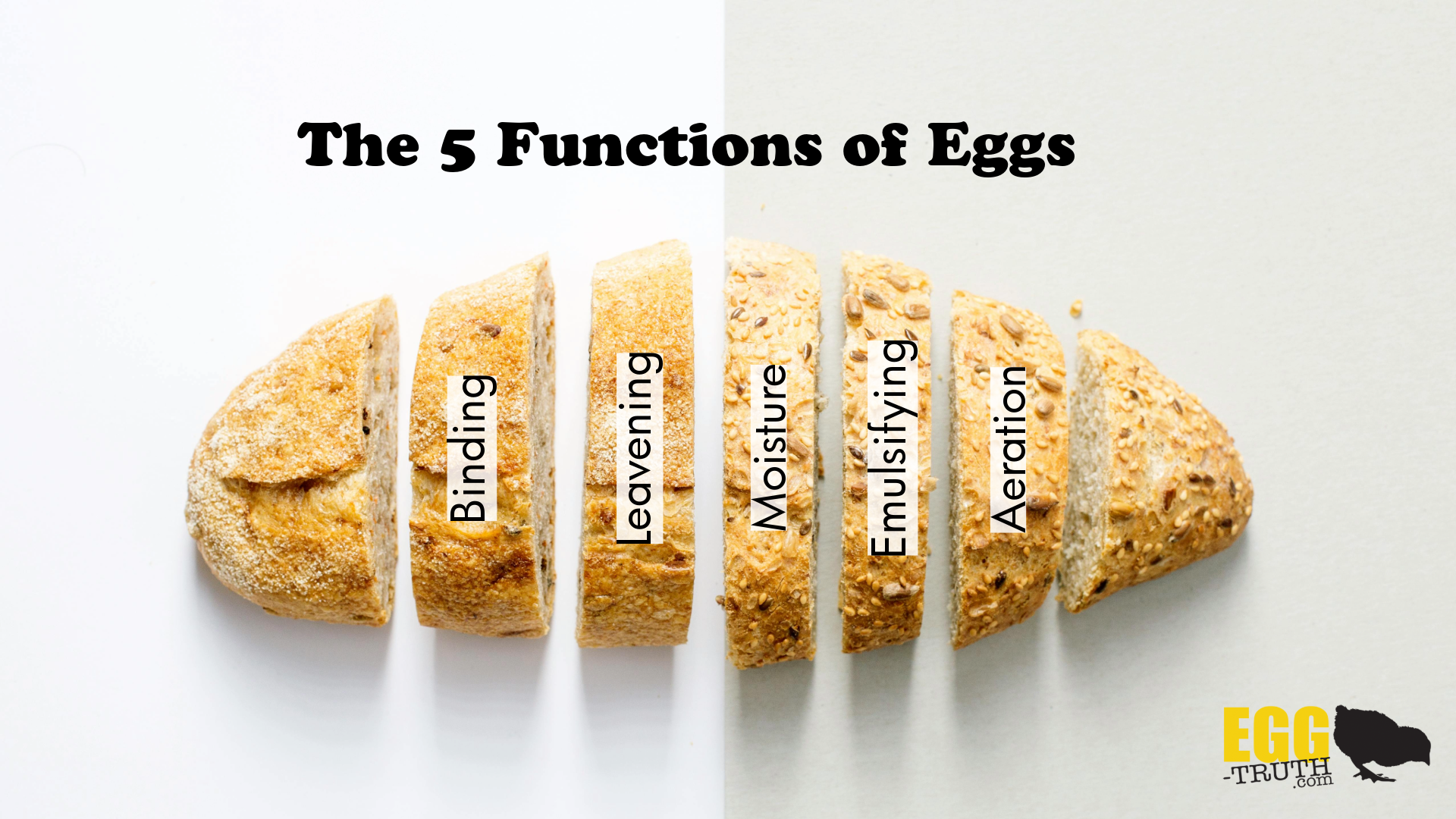
Binding: Eggs act as a glue that holds ingredients together. This is crucial in recipes like cookies, pancakes, veggie burgers, and plant-based meatloaf, where ingredients would otherwise crumble or fall apart. Replacing the binding properties of eggs ensures that your baked goods and savory dishes maintain their structure.
Leavening: Eggs help trap air and create lift, giving baked goods their rise. In recipes like cakes, muffins, and soufflés, eggs create a light and fluffy texture. Without proper leavening, baked goods can end up dense or flat. Choosing the right egg substitute for leavening will keep your treats soft and airy.
Moisture: Eggs contribute moisture to batters and doughs, adding richness and softness to cakes, brownies, and cookies. When eggs are replaced, it’s essential to use alternatives that provide similar moisture, so your baked goods don’t turn out dry or crumbly.
Emulsifying: Eggs act as natural emulsifiers, allowing fats and liquids to combine smoothly. This is particularly important in recipes like mayonnaise, custards, and creamy desserts, where a smooth, even texture is key. Using vegan substitutes that replicate this emulsifying effect will help you achieve the right consistency.
Aeration: Whipped egg whites are often used to incorporate air into mixtures, contributing to volume and lightness in recipes like meringues, soufflés, and macarons. The ability to trap air is critical for creating those delicate, airy textures. Vegan substitutes can mimic this function, allowing you to achieve the same light and fluffy results.
| Egg Function in these baked goods |
Binding | Leavening | Moisture | Aeration | Emulsifying |
|---|---|---|---|---|---|
| Cookies | X | X | |||
| Cakes | X | X | X | ||
| Muffins | X | X | X | ||
| Brownies | X | X | |||
| Pancakes | X | ||||
| Quick Breads | X | X | X | ||
| Pies | X | ||||
| Savory Dishes | X | ||||
| Meringues | X | ||||
| Macarons | X | ||||
| Soufflés | X |
2) Choose the Best Substitute
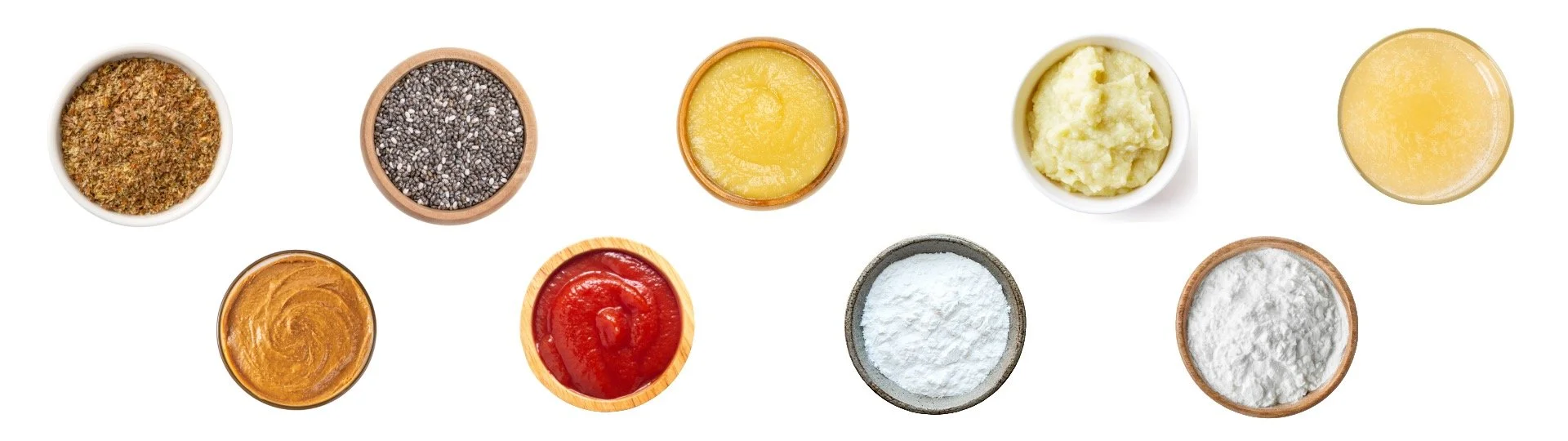
Binding (Holding Ingredients Together)
Flaxseed Meal (Flax Egg): 1 tbsp ground flaxseed + 2.5 tbsp water. Let sit for 10 minutes to thicken. Great for cookies, muffins, and veggie burgers.
Chia Seeds (Chia Egg): 1 tbsp ground chia seeds + 2.5 tbsp water. Similar to flax eggs, but forms a more gel-like consistency. Great for cookies and pancakes.
Applesauce: 1/4 cup unsweetened applesauce. Provides binding and moisture, but can add density. Best in muffins, pancakes, and cookies.
Mashed Banana: 1/4 cup mashed ripe banana. Adds sweetness and works as a binder, ideal for pancakes and quick breads.
Aquafaba (Chickpea Brine): 3 tbsp lightly whipped for 1 egg. Works well in cookies, brownies, and cakes.
Nut Butters: 2 tbsp peanut, almond, or cashew butter. Binds ingredients in dense baked goods like brownies, pancakes, and cookies.
Tomato Paste: 2 tbsp (ideal for savory recipes like plant-based meatloaf and burgers).
Arrowroot Powder: 2 tbsp + 3 tbsp water. Great for thickening sauces and adding smoothness to batters.
Potato Starch: 2 tbsp (works well in savory dishes like burgers and meatloaf).

Leavening (Helping Baked Goods Rise)
Baking Soda + Vinegar: 1 tbsp vinegar (apple cider or white) + 1 tsp baking soda. Perfect for cakes and muffins.
Carbonated Water: 1/4 cup. Adds bubbles and lightness, great for cakes and muffins.
Non-Dairy Yogurt (Unsweetened): 1/4 cup + 1/2 tsp baking powder. Helps with leavening and moisture in cakes.
Diet Soda: 1/2 cup, great for cakes (especially when you're in a hurry).
Moisture (Adding Richness and Softness)
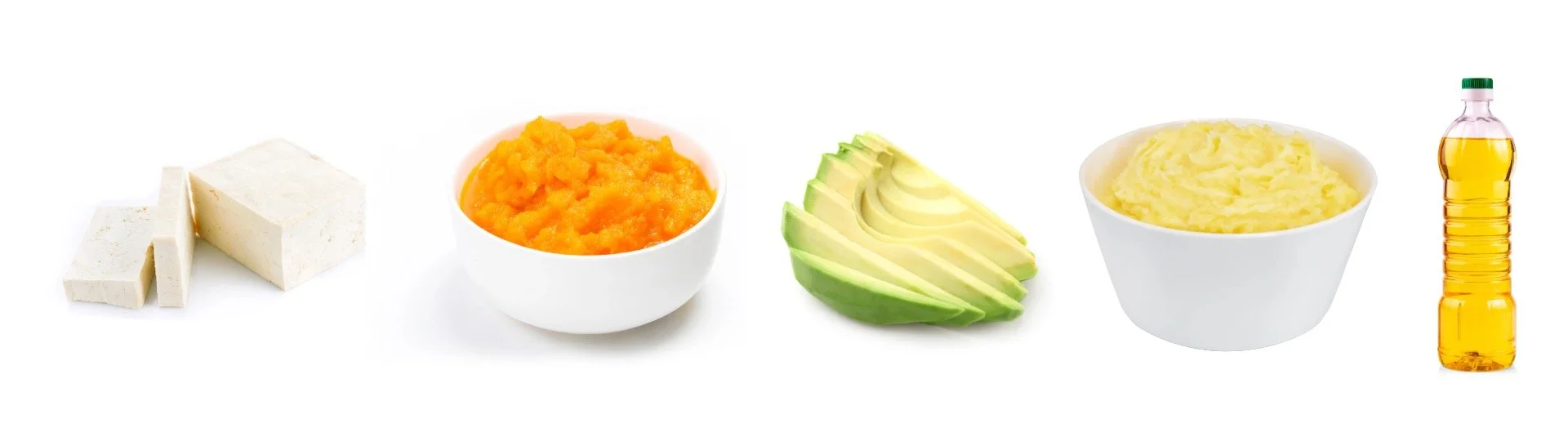
Silken Tofu: 1/4 cup puréed. Provides moisture and creaminess in dense baked goods like brownies, pies, and cheesecakes.
Pumpkin or Sweet Potato Purée: 1/4 cup. Adds moisture and slight sweetness, ideal for breads, muffins, and brownies.
Avocado: 1/4 cup mashed. Adds richness and moisture, best in dense baked goods.
Vegetable Oils (Olive, Coconut, Canola): 1/4 cup. Works well in cakes and quick breads to add moisture.
Mashed Potatoes (White or Sweet): 2 tbsp mashed. Good for savory dishes like meatloaf.
Aeration (Providing Volume and Fluffiness)
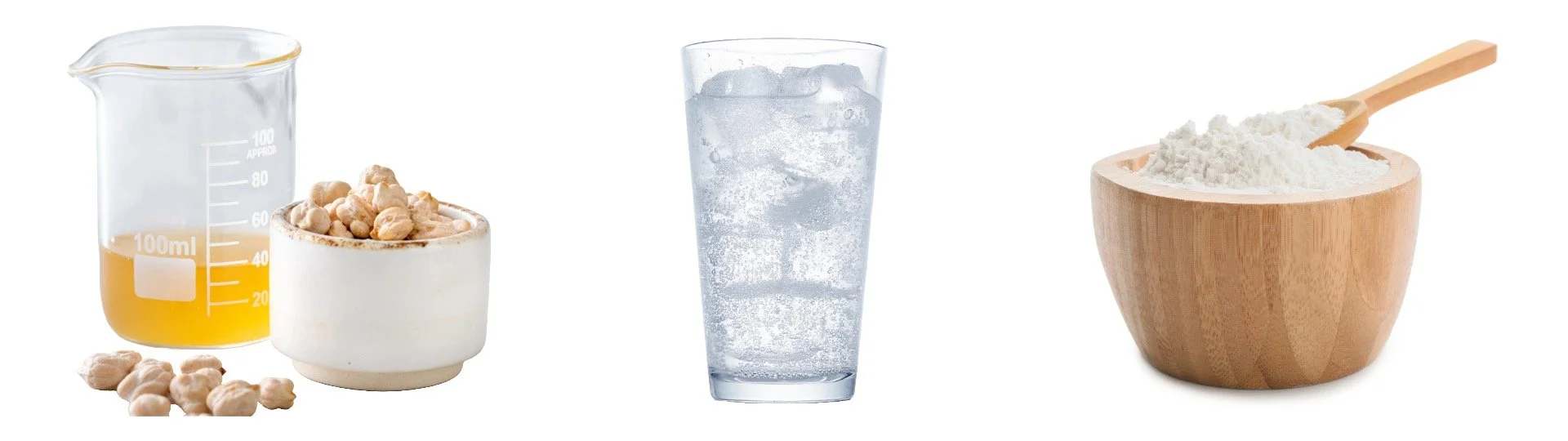
Aquafaba (Whipped): 3 tbsp whipped to stiff peaks with cream of tartar. Ideal for meringues, macarons, and soufflés.
Carbonated Water: 1/4 cup. Traps air bubbles for a light, fluffy texture in cakes and muffins.
Agar-Agar: 1 tbsp agar-agar + 4 tbsp boiling water. Great for meringue.
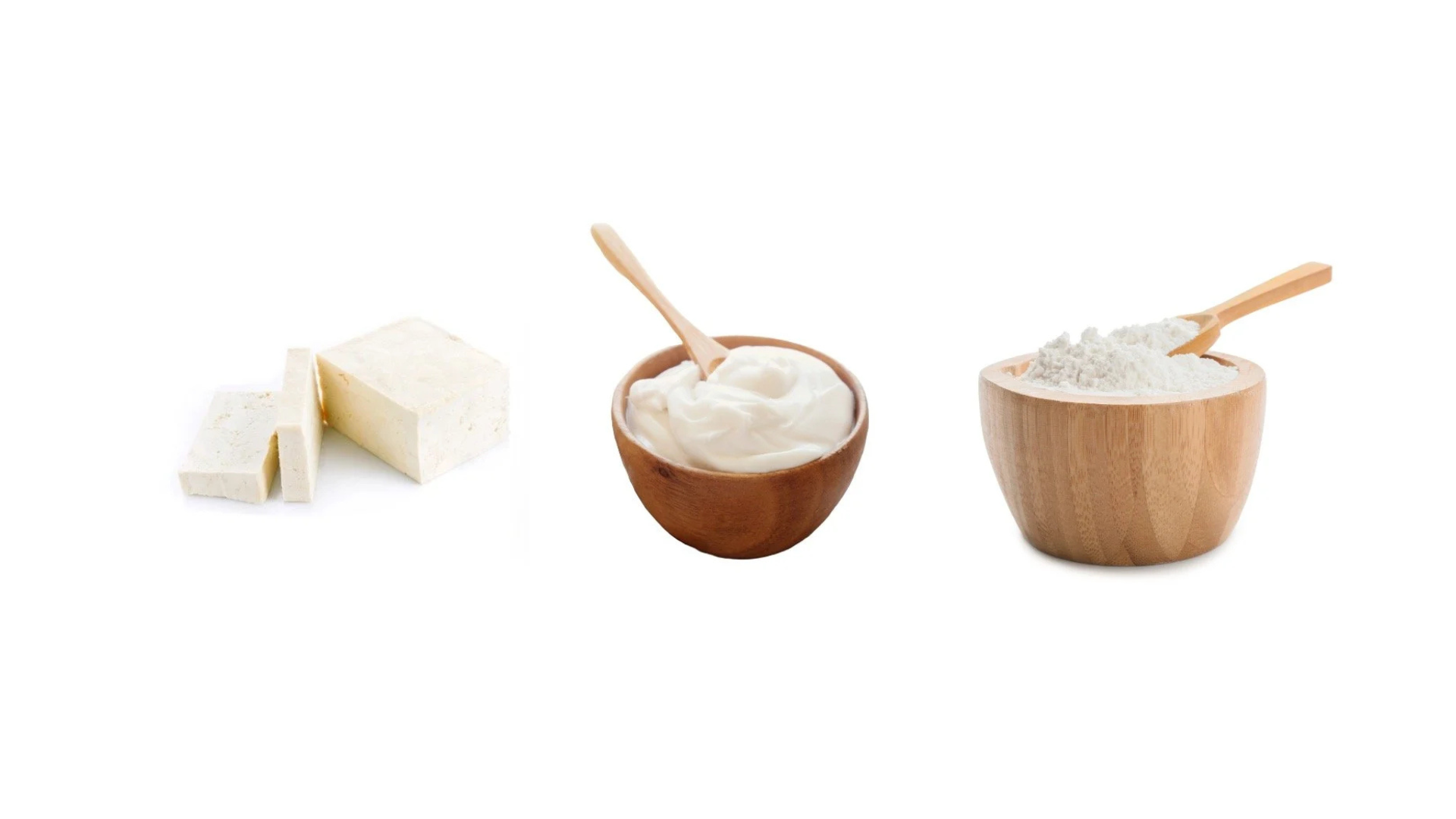
Emulsifying (Combining Fats and Water)
Silken Tofu: 1/4 cup puréed. Acts as a great emulsifier in creamy desserts like pies and cheesecakes.
Non-Dairy Yogurt: 1/4 cup. Helps combine fat and water in batters, especially for cakes.
Cornstarch or Arrowroot Powder: 1 tbsp starch + 2 tbsp water, works to bind and emulsify in sauces and custards
3) Test, Adjust and Tweak
Starting out with egg-free baking and cooking may feel intimidating, but this guide is designed to empower you to ditch eggs in most recipes and confidently begin your egg-free journey. It’s important to remember that every recipe might need slight adjustments depending on the ingredients and replacements you use—so don’t be afraid to experiment!
For example, if your batter seems too thick, try adding a bit more liquid or your chosen egg replacement. If it’s too runny, reduce the liquids or increase the binding agents. Vegan baking often requires a bit of flexibility, but once you get the hang of it, you’ll be amazed at how easy and satisfying it can be.
Feeling unsure? No problem! There are plenty of tried-and-tested vegan recipes to guide you through the process. Whether you're baking a decadent cake, flipping pancakes, or whipping up a hearty breakfast, our collection of recipes has you covered on our blog, or check out this collection of drooling recipes.
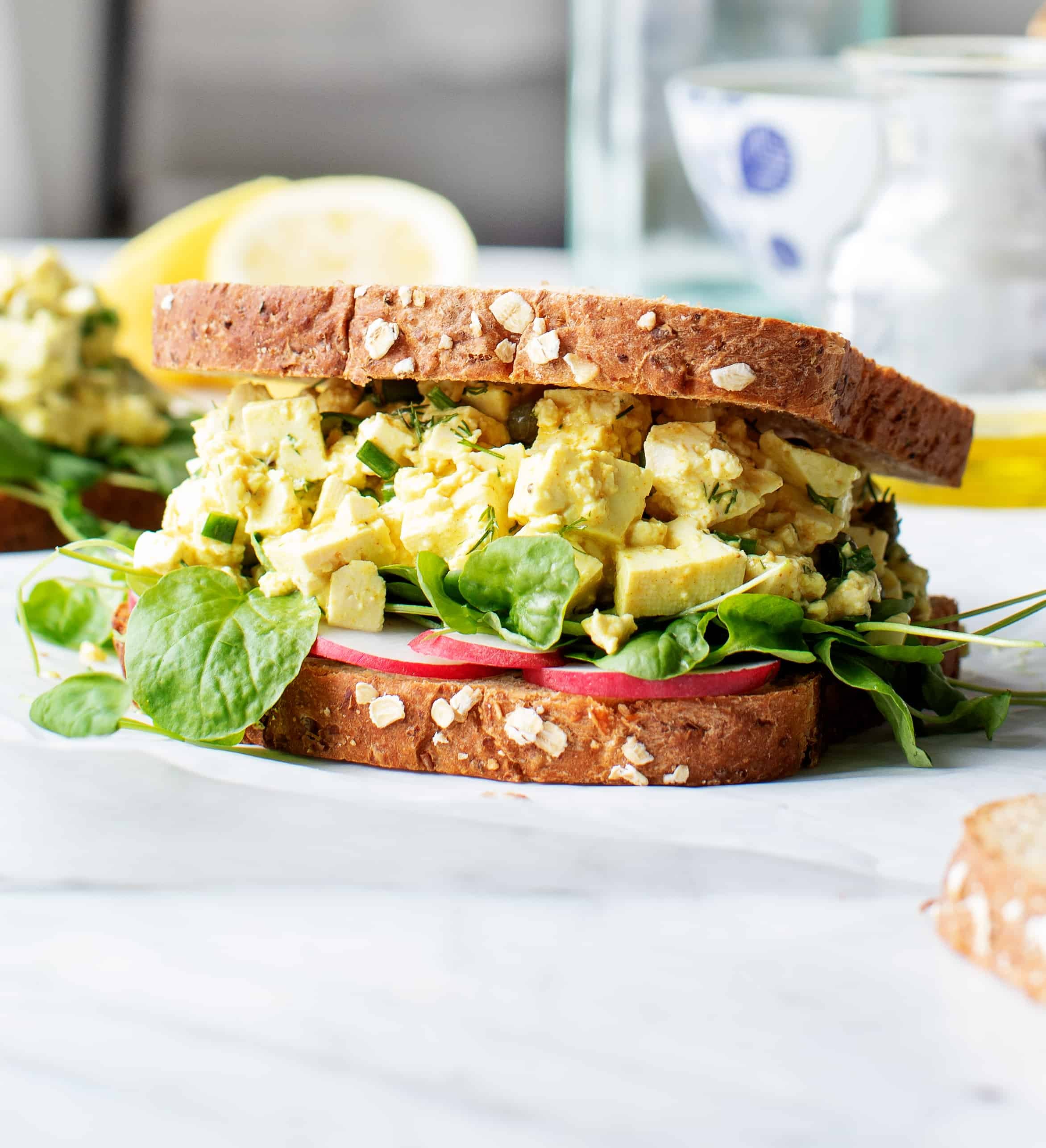



Vegan egg replacements have come a long way in recent years, and many options are now readily available on supermarket shelves. For an extensive list of the best vegan egg substitutes you can find in North America, check out our detailed guide.
Swapping out eggs in your recipes doesn’t mean sacrificing taste or texture. Whether you’re looking to go fully plant-based or just want to try something new, these egg replacements will help you make delicious meals while staying compassionate.
Image caption
Additional Resources & Support
Ditching eggs is more than a dietary change—it's about choosing compassion over convenience and creating lasting change for animals, your health, and the planet.
Remember:
Every challenge you face has been overcome by millions before you
The emotional and social difficulties ease with time as you build confidence and community
Your choice directly reduces demand for an industry that kills billions of animals annually
You'll discover incredible new foods, recipes, and perspectives you never would have encountered otherwise
A well-planned plant-based diet supports optimal health and reduces chronic disease risk
Every egg-free meal matters. Every conversation about animal welfare plants seeds of change. Every recipe you master builds your confidence.
The key is staying connected to your values, surrounding yourself with support, and remembering that compassion is always the right choice.
Ready to Start?
Bookmark this page for easy reference
Try one commercial egg alternative from our product recommendations
Enroll in Vegan Bootcamp for personalized support
Explore vegan living on your own using these essential references
Will you join the movement toward a world where compassion leads the way?
Your journey starts today, and every step forward creates a kinder future for all animals.