

How to Go Egg-Free
Photo credits: Elin Melaas / Unsplash
What gets hard, what helps, and what to use instead of an egg in any recipe.
Going egg-free comes down to three things: spotting where eggs hide, handling the people and memories attached to them, and knowing what to use instead. In most recipes, an egg does one job. Match the job and the swap is easy. Eggs are in more food than you think, and in a lot of memories too. That's what makes them hard to quit. This page covers all of it.
Contents:

Food carries memory. Cracking eggs with a grandparent was half the fun of baking.
Eggs are in more food than you think and more recipes than you'd expect. They're in a lot of memories too. That's what makes them hard to quit. This guide covers what gets in the way, what actually helps, and what to use instead of an egg in any recipe.
Understanding the Challenges
Eggs are woven into daily routines, childhood memories and favourite recipes. That's why dropping them can feel bigger than it should. Many people start asking about eggs after cutting out meat, or during a month like Veganuary. The question is usually the same: what's actually wrong with eggs?
The answer comes quickly. Hens are confined in battery cages or crowded "cage-free" barns. Male chicks are killed at birth because they can't lay eggs. Backyard flocks don't escape it either. Modern hens are bred to lay over 300 eggs a year. Their wild ancestors laid 10 to 15. That output breaks their bodies, the same way breeding left bulldogs struggling to breathe.
Knowing this makes the choice clear. It doesn't make it easy. Eggs carry memories: Sunday breakfasts, holiday baking, the rituals that felt like home. Giving them up means rewriting a few recipes, and some nostalgia along with them.
1 - Decoding Hidden Egg Ingredients
Obvious eggs are easy to skip. Hidden ones take some label reading. Eggs show up under names that look like a chemistry exam.
Common Hidden Egg Ingredients
Albumin, Apovitellin, Ovalbumin
Ovomucin, Ovomucoid, Ovoglobulin
Ovotransferrin, Ovovitelia, Ovovitellin
Globulin, Livetin, Vitellin
Lysozyme (often used in cheese)
Meringue, meringue powder
Mayonnaise
Dried egg, powdered eggs, egg solids
Egg wash, eggnog
Simplesse, Surimi
Foods That May Contain Eggs
Baked goods and baking mixes
Pasta and noodles
Battered or fried foods
Salad dressings and creamy sauces
Ice cream and sorbet
Meatloaf, meatballs, and processed meats
Nougat and certain candies
Artificial crab meat (surimi)
Lecithin (in some products)
Foam on specialty coffees
Some wines and beers (clarified with eggshells)
Keep in mind:
In the US, food and dietary supplements containing egg must clearly declare it on the label, either within the ingredient list or in a separate 'contains' statement. However, food allergen rules do not apply to cosmetics, medications, or pet food.
Canada, the EU, the UK, and Australia also mandate that egg be declared as a major allergen on food labels.
-
Most people's first question is protein. The second is energy. Both have straightforward answers. See ‘Eggs and our Health’ for what eggs actually provide and where to get it instead.
-
Food carries memory. For many people, scrambled eggs and buttered toast mean childhood mornings and the smell of coffee. Cracking eggs with a grandparent was half the fun of baking. Giving that up can feel like losing a piece of your history.
That feeling is real. You don't have to ignore it. Keep the ritual and change the ingredient. Your grandmother's cake can still be your grandmother's cake. -
Family may push back. Menus take more reading. Friends may ask whether this is really necessary.
When someone asks, keep it short. Say it's what you chose after learning how the egg industry works. You don't need to lecture, especially at the table. You don't have to debate at all. If they're curious, send them a link and let them read it in private. That keeps the conversation from turning into a standoff where both sides feel attacked.

Solutions That Work
Every challenge above has a fix. Here's what works.
Staying Motivated
People who stay egg-free keep their reasons close. Watch a documentary. Follow advocates who show hens as they are. Learn how hens think and live. When eggs are normal everywhere you look, the reality behind them needs regular reminders.
Our newsletter is one of them. Once a month: what we found, why it matters, and what you can do with it. No spam. No guilt trips.
Skills matter just as much. Once you know what an egg does in a recipe, replacing it is simple. And supermarket shelves now carry plant-based scrambles, baking mixes and more. What looked impossible turns out to be easy. Most people find two or three go-to swaps and stop thinking about it.
Beyond the Plate
Going egg-free changes more than your plate. It changes how you see the animal behind it.
A hen can tell up to 100 other chickens apart by their faces. She has around 24 distinct calls, including separate alarms for a threat from the sky and a threat on the ground. Before her chicks hatch, she clucks to them through the shell, and they peep back. Given space, she spends hours dust bathing, sunbathing and scratching for food.
None of that fits inside a commercial laying barn. Most of us never get to see it.
Going egg-free takes some work. Family dinners, ingredient lists, old favourites, skeptical friends. Each one gets easier. And each one means fewer hens bred into the system.
Below: a replacement for every job an egg does, plus recipes and products to start with.

The Ultimate Egg Replacement Guide
In most recipes, an egg does one of five jobs. It binds, lifts, adds moisture, emulsifies or traps air. Match the job and the swap is easy.
Step-by-Step Guide to Egg-Free Cooking
Identify the Role of Eggs: Determine if eggs in the recipe are used for binding, leavening, moisture, or aeration.
Choose the Best Substitute: Use the table and lists below to match the substitute to the job.
Adjust, Test and Tweak: Some swaps, like applesauce or banana, add extra moisture. Cut the other liquid slightly. Expect a little trial and error.
1) Identify the Role of Eggs
Eggs serve several key functions in most recipes, each playing a unique role in creating the textures and structures we expect in baked goods and cooked dishes. Understanding how eggs work is the first step in finding the right vegan substitute.
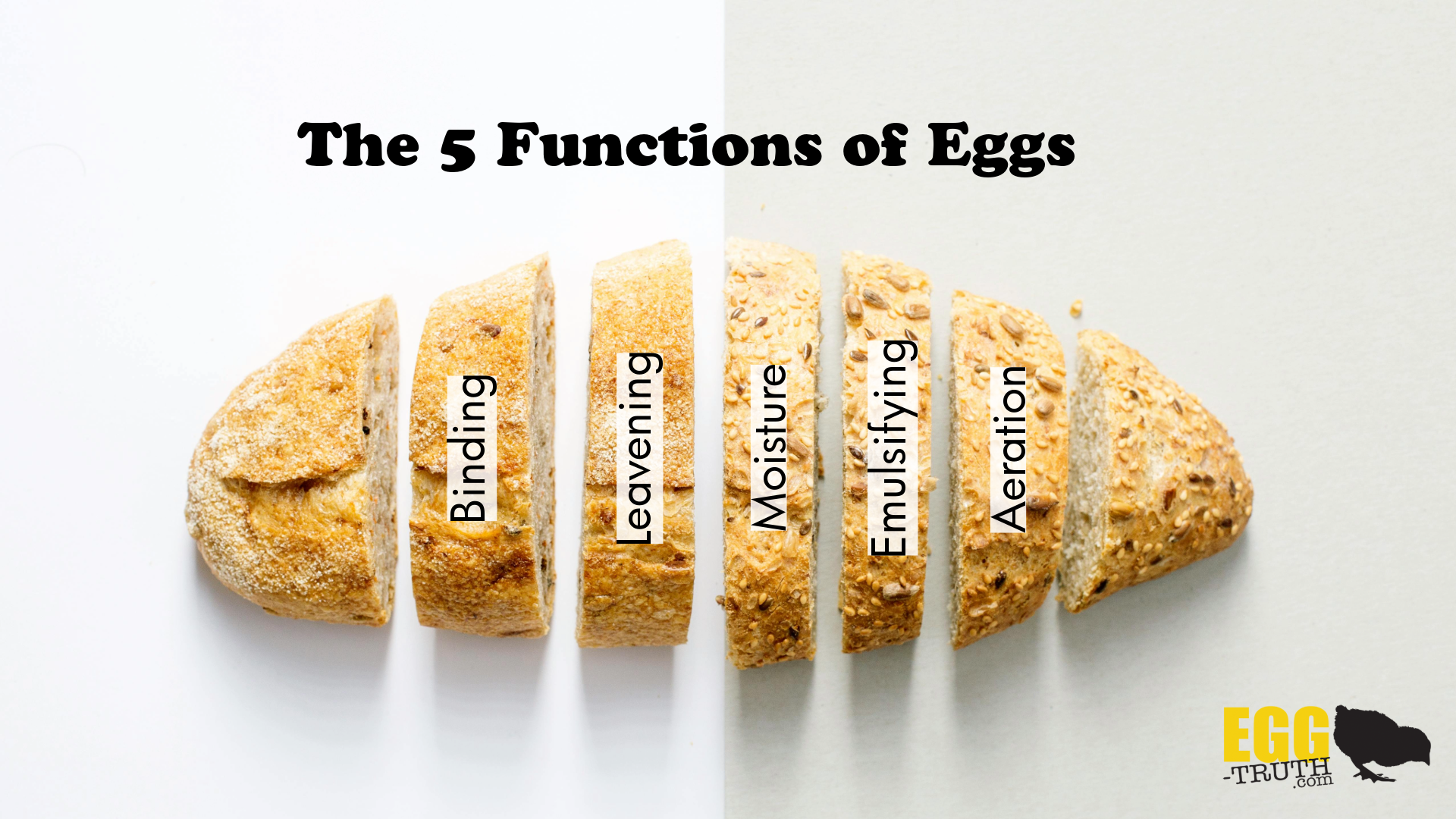
Binding: Holding Ingredients Together
Eggs act as a glue that holds ingredients together. This is crucial in recipes like cookies, pancakes, veggie burgers, and plant-based meatloaf, where ingredients would otherwise crumble or fall apart. Replacing the binding properties of eggs ensures that your baked goods and savory dishes maintain their structure.Leavening: Helping Baked Goods Rise
Eggs help trap air and create lift, giving baked goods their rise. In recipes like cakes, muffins, and soufflés, eggs create a light and fluffy texture. Without proper leavening, baked goods can end up dense or flat. Choosing the right egg substitute for leavening will keep your treats soft and airy.Moisture: Adding Richness and Softness
Eggs contribute moisture to batters and doughs, adding richness and softness to cakes, brownies, and cookies. When eggs are replaced, it’s essential to use alternatives that provide similar moisture, so your baked goods don’t turn out dry or crumbly.Aeration: Providing Volume and Fluffiness
Whipped egg whites are often used to incorporate air into mixtures, contributing to volume and lightness in recipes like meringues, soufflés, and macarons. The ability to trap air is critical for creating those delicate, airy textures. Vegan substitutes can mimic this function, allowing you to achieve the same light and fluffy results.Emulsifying: Combining Fats and Water
Eggs act as natural emulsifiers, allowing fats and liquids to combine smoothly. This is particularly important in recipes like mayonnaise, custards, and creamy desserts, where a smooth, even texture is key. Using vegan substitutes that replicate this emulsifying effect will help you achieve the right consistency.
| Egg Function in these baked goods |
Binding | Leavening | Moisture | Aeration | Emulsifying |
|---|---|---|---|---|---|
| Cookies | X | X | |||
| Cakes | X | X | X | ||
| Muffins | X | X | X | ||
| Brownies | X | X | |||
| Pancakes | X | ||||
| Quick Breads | X | X | X | ||
| Pies | X | ||||
| Savory Dishes | X | ||||
| Meringues | X | ||||
| Macarons | X | ||||
| Soufflés | X |
2) Choose the Best Substitute
Then open the job you need. Each one lists the swaps, how much replaces one egg, and what they work best in. Not sure where to begin? A flax egg handles binding in most cookies, muffins and pancakes. For a cake that needs to rise, add vinegar and baking soda.
Start with what you're baking. Find it in the table and see which jobs the egg is doing. Most recipes only need it for one or two.
-
Flaxseed Meal (Flax Egg): 1 tbsp ground flaxseed + 2.5 tbsp water. Let sit for 10 minutes to thicken. Great for cookies, muffins, and veggie burgers.
Chia Seeds (Chia Egg): 1 tbsp ground chia seeds + 2.5 tbsp water. Similar to flax eggs, but forms a more gel-like consistency. Great for cookies and pancakes.
Applesauce: 1/4 cup unsweetened applesauce. Provides binding and moisture, but can add density. Best in muffins, pancakes, and cookies.
Mashed Banana: 1/4 cup mashed ripe banana. Adds sweetness and works as a binder, ideal for pancakes and quick breads.
Aquafaba (Chickpea Brine): 3 tbsp lightly whipped for 1 egg. Works well in cookies, brownies, and cakes.
Nut Butters: 2 tbsp peanut, almond, or cashew butter. Binds ingredients in dense baked goods like brownies, pancakes, and cookies.
Tomato Paste: 2 tbsp (ideal for savory recipes like plant-based meatloaf and burgers).
Arrowroot Powder: 2 tbsp + 3 tbsp water. Great for thickening sauces and adding smoothness to batters.
Potato Starch: 2 tbsp (works well in savory dishes like burgers and meatloaf).
-
Baking Soda + Vinegar: 1 tbsp vinegar (apple cider or white) + 1 tsp baking soda. Perfect for cakes and muffins.
Carbonated Water: 1/4 cup. Adds bubbles and lightness, great for cakes and muffins.
Non-Dairy Yogurt (Unsweetened): 1/4 cup + 1/2 tsp baking powder. Helps with leavening and moisture in cakes.
Diet Soda: 1/2 cup, great for cakes (especially when you're in a hurry).
-
Silken Tofu: 1/4 cup puréed. Provides moisture and creaminess in dense baked goods like brownies, pies, and cheesecakes.
Pumpkin or Sweet Potato Purée: 1/4 cup. Adds moisture and slight sweetness, ideal for breads, muffins, and brownies.
Avocado: 1/4 cup mashed. Adds richness and moisture, best in dense baked goods.
Vegetable Oils (Olive, Coconut, Canola): 1/4 cup. Works well in cakes and quick breads to add moisture.
Mashed Potatoes (White or Sweet): 2 tbsp mashed. Good for savory dishes like meatloaf.
-
Aquafaba (Whipped): 3 tbsp whipped to stiff peaks with cream of tartar. Ideal for meringues, macarons, and soufflés.
Carbonated Water: 1/4 cup. Traps air bubbles for a light, fluffy texture in cakes and muffins.
Agar-Agar: 1 tbsp agar-agar + 4 tbsp boiling water. Great for meringue.
-
Silken Tofu: 1/4 cup puréed. Acts as a great emulsifier in creamy desserts like pies and cheesecakes.
Non-Dairy Yogurt: 1/4 cup. Helps combine fat and water in batters, especially for cakes.
Cornstarch or Arrowroot Powder: 1 tbsp starch + 2 tbsp water, works to bind and emulsify in sauces and custards
3) Adjust, Test and Tweak
Every recipe reacts a little differently to a swap. Batter too thick? Add a splash more liquid. Too runny? Cut the liquid or add more binder. A couple of bakes in, it becomes second nature.
Want a a frist crack? Our recipes are already tested and egg-free, from layer cakes to pancakes. Or browse this collection below by clicking on the images.
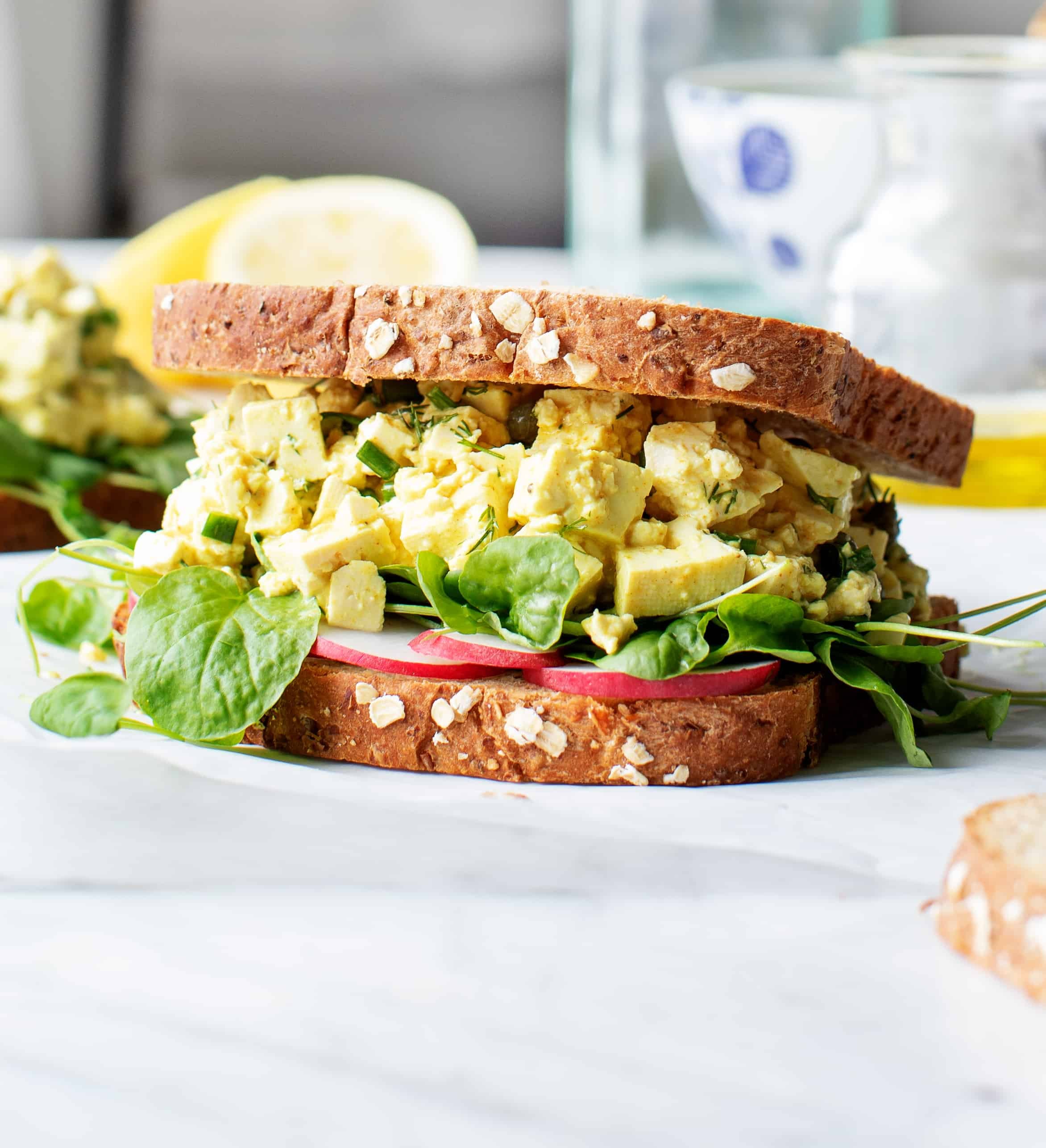

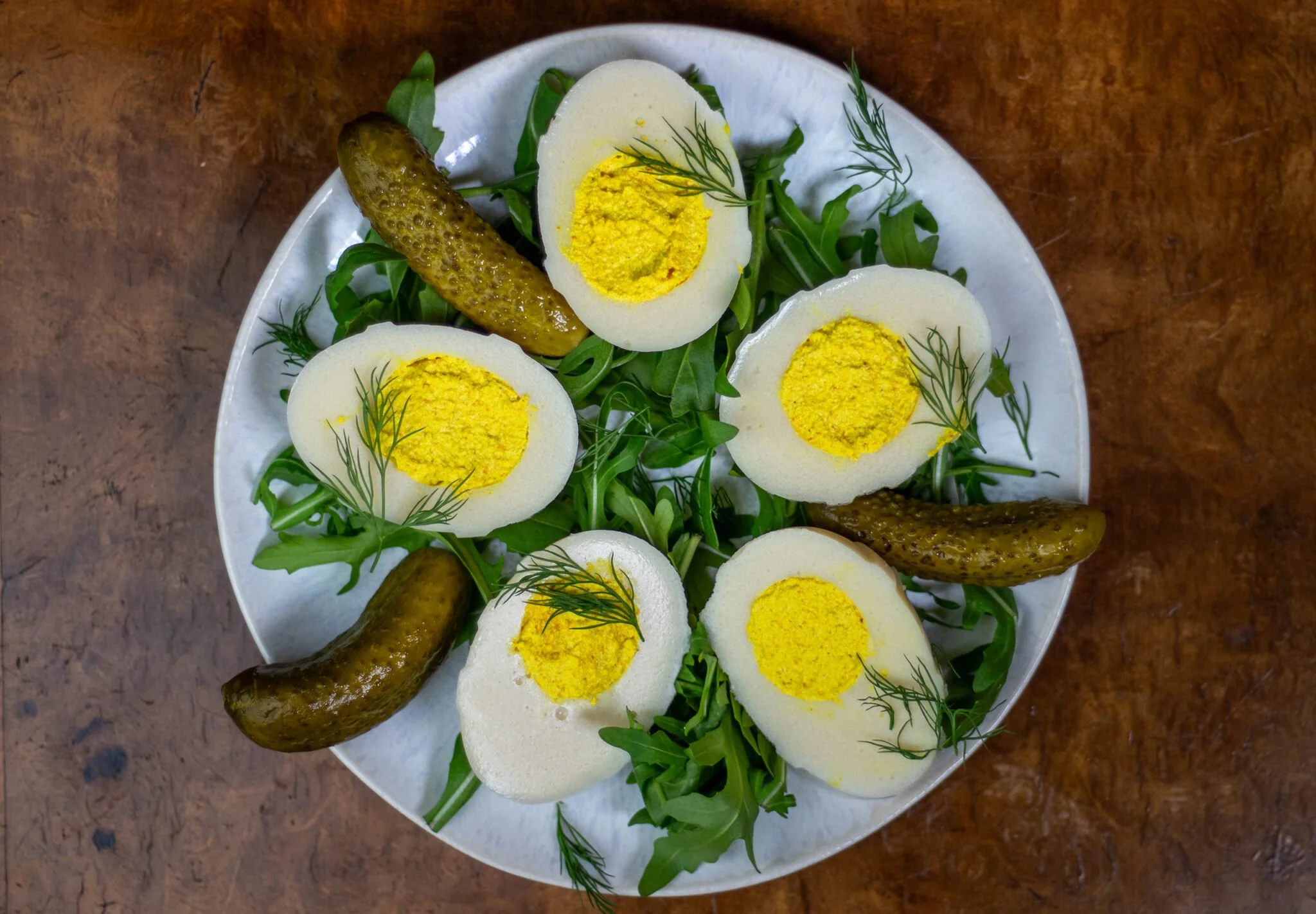
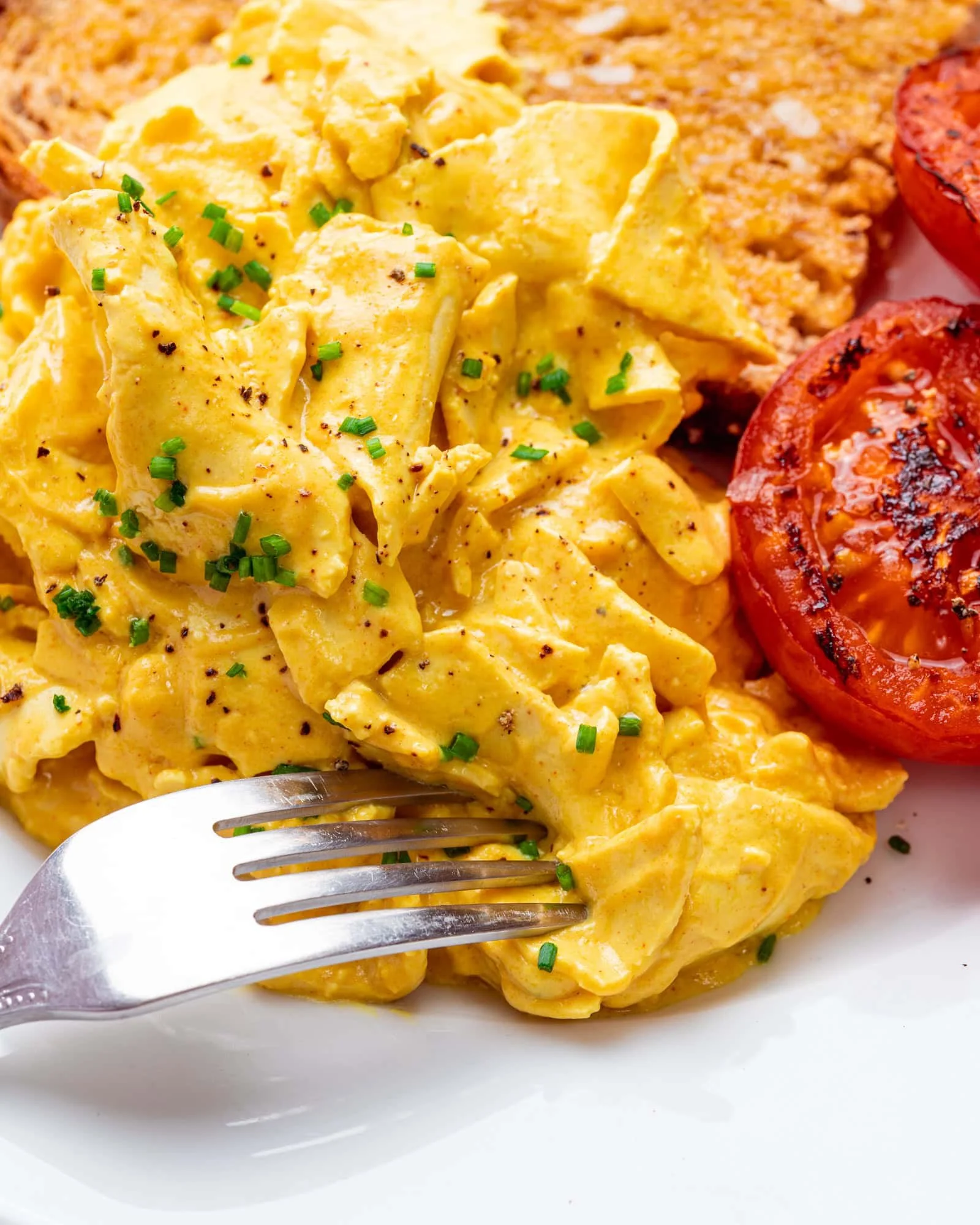
That's every job an egg does, covered. All that's left is to start.
Where to Start
You don't have to figure this out from scratch. Millions of people have already made this change. The awkward conversations get easier as your confidence grows. And you'll find foods you'd never have tried otherwise.
Every carton you skip cuts demand for an industry that kills billions of animals a year.
Pick what fits:
Bookmark this page for easy reference
Try one store-bought egg alternative from our product recommendations
Join Vegan Bootcamp for personal support
Browse our recommended books, sites and guides
Pick one recipe you'd normally make with eggs. Make it this week without them.