Best of 2024
Join us in reflecting on the progress made and the exciting future ahead.
Image: WeAnimals
With bird flu leading to the mass depopulation of hens and the rise in backyard chicken keeping ignited by the pandemic, is there really anything to celebrate about eggs in 2024?
While these challenges are undeniable, the movement toward a compassionate, plant-based world is growing stronger each day. It’s clearer than ever that each of us has a role to play in creating change. From the rise of plant-based diets to growing awareness of the cruelty in the egg industry, real progress is unfolding.
Let’s take a moment to reflect on the strides we’ve made and look forward to the exciting journey ahead.
Animal Welfare Legislation Challenges
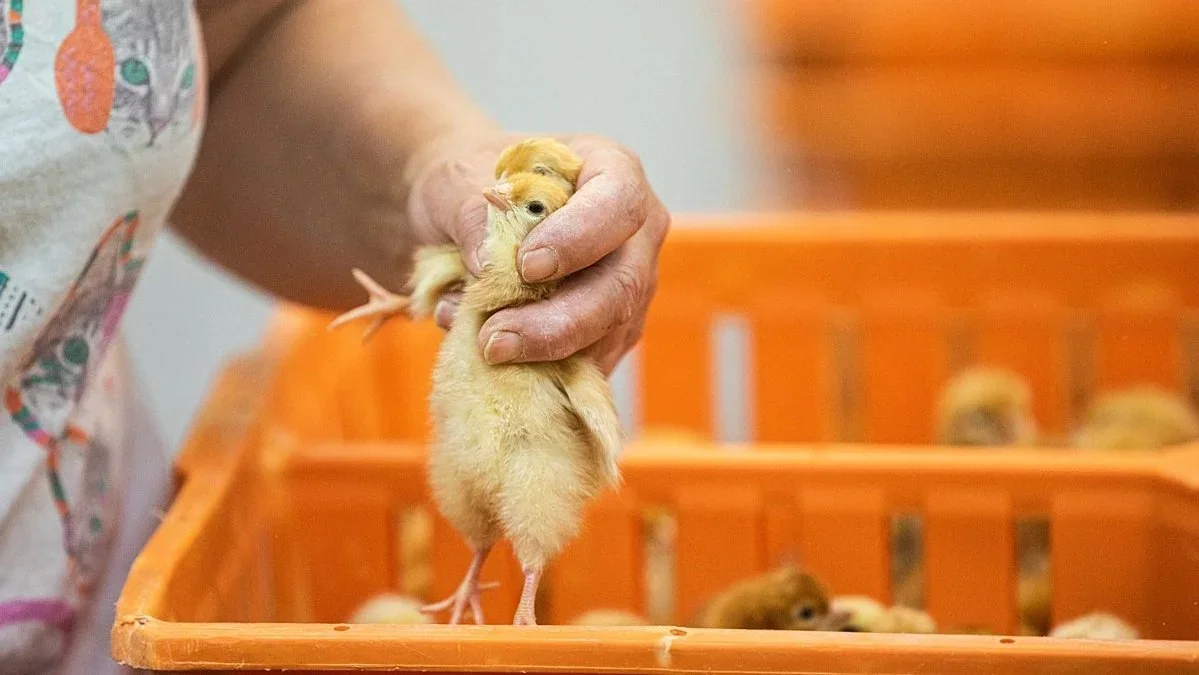
While some shifts in animal welfare legislation in 2024 are being celebrated, we must face the reality that these changes, though well-meaning, still fall short in addressing the deep-rooted issues within the egg industry. This year, attention has been placed on cage-free systems and technologies designed to reduce chick culling in hatcheries. On the surface, these might seem like steps forward, but they fail to challenge the heart of the problem: the relentless exploitation of chickens. Cage-free systems still confine hens in overcrowded, stressful environments, and male chicks—who can’t lay eggs—continue to be culled in vast numbers, regardless of technological advancements. These so-called “improvements” miss the mark because they don’t disrupt the core injustice: treating living beings as mere commodities for profit. True progress for animals means moving beyond exploitation entirely—embracing a world where no animal is harmed for food, and where industries profiting from their suffering are a thing of the past.
Animal Justice Project Activist Educating the Public During a Street Outreach in Cambridge, UK
That said, the growing awareness around the suffering of animals in the food industry is a shift worth celebrating. It’s inspiring to see more people question long-standing practices and demand better for the animals who share our world. More people than ever are talking about the realities behind their food choices, and this is just the beginning. At Egg-Truth, we want to ignite change, encouraging individuals to challenge old habits and embrace compassion. We’re excited to continue amplifying this growing wave of awareness and, together, we’ll push the conversation further—toward a future where plant-based food systems are the standard, and the exploitation of animals is a distant memory.
The Plant-based Egg Market
In the past few years, the plant-based egg alternative market has seen remarkable growth, driven by increasing consumer awareness of health, ethics, and sustainability. As more people embrace plant-based options, they are turning away from traditional egg production, which is notorious for its environmental impact—high water usage and significant greenhouse gas emissions. This shift toward more sustainable food choices presents a huge opportunity for the vegan egg market, with demand steadily rising.
Innovation has played a key role in this progress. Companies like Eat Just Inc. are creating plant-based eggs that closely resemble traditional ones in taste, texture, and functionality. Products like JUST Egg are now widely accepted and used in various dishes, while fortification with essential nutrients like Omega-3s, Vitamin B12, and iron addresses nutritional concerns. The growing availability of vegan eggs in major grocery chains and online platforms has made these alternatives more accessible, allowing even more people to incorporate them into their diets and driving the market’s expansion.
Our Work — Partnerships
One of the most invigorating parts of our work this year has been forging and strengthening partnerships with like-minded individuals and organizations. We are especially excited about the flyer project with Kerstin Brueller—now available online and completely free—that offers invaluable information about the egg industry and realistic steps toward going egg-free. Not only is it ready to print and share, but it’s also a resource that can be adapted for any form of advocacy, from street outreach to leafleting at community events and online campaigning.
This is just the tip of the iceberg. We’ve gathered a wealth of materials for everyone who wants to engage in activism, whether in their spare time or as full-time advocates. Education about the egg industry and their labels, plus practical tips on leaving eggs behind, is now more accessible than ever.
Our work with Danzig Roost, Rooster Redemption, and The Browns’ Microsanctuary has been especially close to our hearts. These three incredible organizations hold a special place for roosters, the often-overlooked victims of the egg industry. Roosters, who are discarded due to their inability to lay eggs, find a loving home in these sanctuaries. Through our collaborations, we've worked together to raise awareness about the plight of roosters, showing that their lives matter too.
And we continue to support and share content with Little Cage Fighters, whose tireless work, beautiful content, and honest advocacy continue to inspire us. Together, we are amplifying the message that no animal deserves to be mistreated or discarded.
The Year(s) Ahead
As we head into the new year, we’re gearing up for some major changes—starting with a comprehensive website redesign. This will ensure that all the hard-earned information, the personal stories, and the actionable steps are easier to find and share. We want our online home to be a welcoming, organized space that encourages engagement and makes it simple for anyone to join the movement, learn about the issues, and find support in going egg-free.
In addition, we’re planning to invest in paid content to broaden our reach beyond what we’ve achieved organically, bringing these truths to new audiences who have yet to consider how their meals affect living, feeling beings.
We’re also committed to giving our newsletter more attention. By signing up, you’ll receive updates, deeper insights, opportunities to connect, and the encouragement you need to be part of this compassionate change. Follow us on social media for daily content to be shared and engaged with.
Gratitude
None of these accomplishments would be possible without the people who keep this movement alive every single day. Change of this magnitude isn’t achieved by one voice—it’s a chorus, a community, a family. Each of you, whether you’ve shared a recipe, posted an educational link, participated in political action, or simply taken a moment to reflect on your own habits, has played a part in this progress.
We also want to thank our volunteer, Michelle Bray, who has been tirelessly ready to lend a hand. And our advisors, both old and new, who work behind the scenes to keep our content accurate, up-to-date, and meaningfully presented. Your dedication, insight, and compassion form the backbone of everything we do.
Together, we are building a safe, supportive community where our collective efforts bring us closer to a vegan world—one where all animals can live without being forced into someone’s meal plan. It’s a long road ahead, but it’s a journey worth taking as we challenge ourselves, open our hearts, and believe in a kinder world.
Now, let’s move forward and make the coming year even brighter.
Reources & Further Reading
Further Reading:
The Path To a Vegan World: How to Love All Animals
Speciesism: Why Love Some Animals and Eat Others
Resources:
How to Replace Eggs: Recipes and Resources
Ready to Go Vegan? Vegan Bootcamp
Should Ethical Vegetarians Eat Eggs?
While eggs may seem less harmful than meat, the truth is that they are a key product of an industry that views chickens as commodities, not living beings.

Eggs are often seen as a gray area in vegetarian diets—while meat is typically off the plate, eggs somehow manage to stay.
For many vegetarians, eggs are an easy source of protein and a convenient part of daily meals. But for those who strive to live compassionately, can eating eggs really align with ethical values? The truth is, the egg industry thrives on cruelty and exploitation, no matter the label on the carton. By the end of this post, we’ll explore whether ethical vegetarians should continue eating eggs—and why anyone committed to reducing harm may want to reconsider their choice.
Why Are You Vegetarian?
Many people become vegetarian for moral reasons, driven by a desire to reduce animal suffering. Ethical vegetarians believe that animals should not be killed or exploited for food, recognizing that animals have a right to live free from harm. The decision to avoid meat is rooted in the belief that no sentient being should be treated as a mere resource for human consumption.
However, vegetarianism is also common for other reasons—health, environmental sustainability, or simply personal preference. But whether the choice is moral or not, it’s important to understand how the egg industry fits into this conversation and why even those who became vegetarian for non-moral reasons might want to start thinking about the ethical implications of eggs.
What makes it so Hard to Ditch Eggs?
For many vegetarians, eggs are a dietary staple. They’re convenient, found in countless recipes, and often seen as essential for protein. The idea of baking without eggs or skipping an easy omelet can seem overwhelming. But this struggle is very common—many vegetarians hold onto eggs because they’ve been taught to believe they’re irreplaceable. And socially, eggs are still widely accepted as “harmless,” even in ethical discussions.
There’s also the convenience factor—eggs are easy, quick, and familiar. For someone who’s already made the leap to stop eating meat, giving up eggs can feel like one more challenge. But studies show that overcoming this hurdle is possible, and today’s plant-based alternatives make it easier than ever.
The Dark Reality of Eggs: The Cruelty Behind Every Carton
Here’s the difficult truth: eggs aren’t as innocent as they appear. The industry thrives on killing. Male chicks, unable to lay eggs and therefore seen as useless, are killed by the billions every year—often through brutal methods like being ground up alive or suffocated. This practice happens regardless of whether the eggs are labeled “free-range,” “organic,” or “cage-free”.
Even the hens who do lay eggs live short, miserable lives. They are bred to lay far more eggs than their bodies are naturally capable of, leading to exhaustion, physical breakdown, and suffering. Once their egg production declines, they are sent to slaughter. The label on the carton doesn’t change this—these animals are still viewed as commodities, and when they’re no longer profitable, they are killed. For a deeper dive into the hidden horrors behind egg labels, read more here.
Why Every Vegetarian Should Care
For those who became vegetarian for health or environmental reasons, it’s worth asking—does supporting an industry built on suffering really align with these goals? Eggs are often seen as a “neutral” option, but they’re anything but. The environmental impact of egg production includes resource-intensive farming practices and the pollution caused by industrial-scale facilities. And from a health perspective, eggs are high in cholesterol and saturated fat—both of which can have long-term negative effects on health.
Beyond health and sustainability, there’s a deeper moral question: Do animals deserve to suffer for convenience? Even if moral concerns weren’t part of the initial decision to go vegetarian, the realities of the egg industry provide compelling reasons to reconsider. Compassion, after all, is a value that transcends dietary choices—it’s about recognizing the right of animals to live without exploitation.
Should Ethical Vegetarians Eat Eggs?
The answer is clear: No, ethical vegetarians should not eat eggs. The egg industry, no matter the label, is built on exploitation and death. For anyone who values the right of animals to live free from harm, continuing to eat eggs contradicts those principles. But it’s not just about ethics. Whether for health, environmental reasons, or compassion for living beings, there are countless reasons to leave eggs off the plate.
So, what’s stopping the switch to egg-free? Is it breakfast, baking, or just the idea of giving up a convenient food? Don’t worry—many vegetarians feel the same way. The good news is that it’s easier than ever to find delicious, easy alternatives that make this transition smoother than expected. Whether it's a chickpea scramble or flaxseed for baking, there’s a cruelty-free option for every craving. If you’re looking for inspiration, check out our guide to egg replacements.
Sources & Further Reading
Article Sources:
https://faunalytics.org/why-do-vegetarians-continue-eating-cheese-and-dairy/
https://faunalytics.org/understanding-cognitive-dissonance-in-vegetarians-and-pescatarians/
https://faunalytics.org/differing-empathy-in-vegetarians-vegans-and-omnivores/
Further Reading:
Misleading Welfare Labels: The Cage-free Illusion
Inherent Cruelties of Eggs: Backyard Chickens
How to Replace Eggs: Recipes and Resources
Ready to Go Vegan? Vegan Bootcamp
The Ultimate Vegan Egg Replacement Guide
Starting out with egg-free baking and cooking may feel intimidating, but this guide is designed to empower you to ditch eggs in most recipes and confidently begin your egg-free journey.
Are eggs really necessary? Spoiler alert: they're not!
Whether you're transitioning to a plant-based lifestyle or just looking for healthier, cruelty-free alternatives, vegan egg replacements make it easier than ever to whip up your favorite dishes without compromising on taste or texture.
Eggs play several crucial roles in baking and cooking—from binding ingredients to adding moisture, leavening, and even aerating batters. But with the right knowledge, it’s easy to replicate those functions using vegan ingredients. In this guide, we’ll dive into the science behind eggs in recipes, explore plant-based replacements for each function, and share tips for using them.
Step-by-Step Guide to Egg-Free Cooking
Identify the Role of Eggs: Determine if eggs in the recipe are used for binding, leavening, moisture, or aeration.
Choose the Best Substitute: Use the guide above to match the egg replacement to the egg's function.
Adjust, Test and Tweak: Some substitutes (like applesauce or mashed banana) may add extra moisture. Adjust by slightly reducing the liquid content in your recipe. Vegan baking may require some trial and error, so don’t hesitate to adjust based on your results.
1) Identify the Role of Eggs
Eggs serve several key functions in most recipes, each playing a unique role in creating the textures and structures we expect in baked goods and cooked dishes. Understanding how eggs work is the first step in finding the right vegan substitute.
Binding: Eggs act as a glue that holds ingredients together. This is crucial in recipes like cookies, pancakes, veggie burgers, and plant-based meatloaf, where ingredients would otherwise crumble or fall apart. Replacing the binding properties of eggs ensures that your baked goods and savory dishes maintain their structure.
Leavening: Eggs help trap air and create lift, giving baked goods their rise. In recipes like cakes, muffins, and soufflés, eggs create a light and fluffy texture. Without proper leavening, baked goods can end up dense or flat. Choosing the right egg substitute for leavening will keep your treats soft and airy.
Moisture: Eggs contribute moisture to batters and doughs, adding richness and softness to cakes, brownies, and cookies. When eggs are replaced, it’s essential to use alternatives that provide similar moisture, so your baked goods don’t turn out dry or crumbly.
Emulsifying: Eggs act as natural emulsifiers, allowing fats and liquids to combine smoothly. This is particularly important in recipes like mayonnaise, custards, and creamy desserts, where a smooth, even texture is key. Using vegan substitutes that replicate this emulsifying effect will help you achieve the right consistency.
Aeration: Whipped egg whites are often used to incorporate air into mixtures, contributing to volume and lightness in recipes like meringues, soufflés, and macarons. The ability to trap air is critical for creating those delicate, airy textures. Vegan substitutes can mimic this function, allowing you to achieve the same light and fluffy results.
2) Choose the Best Substitute
| Egg Function in these baked goods |
Binding | Leavening | Moisture | Aeration | Emulsifying |
|---|---|---|---|---|---|
| Cookies | X | X | |||
| Cakes | X | X | X | ||
| Muffins | X | X | X | ||
| Brownies | X | X | |||
| Pancakes | X | ||||
| Quick Breads | X | X | X | ||
| Pies | X | ||||
| Savory Dishes | X | ||||
| Meringues | X | ||||
| Macarons | X | ||||
| Soufflés | X |
Binding (Holding Ingredients Together)
Flaxseed Meal (Flax Egg): 1 tbsp ground flaxseed + 2.5 tbsp water. Let sit for 10 minutes to thicken. Great for cookies, muffins, and veggie burgers.
Chia Seeds (Chia Egg): 1 tbsp ground chia seeds + 2.5 tbsp water. Similar to flax eggs, but forms a more gel-like consistency. Great for cookies and pancakes.
Applesauce: 1/4 cup unsweetened applesauce. Provides binding and moisture, but can add density. Best in muffins, pancakes, and cookies.
Mashed Banana: 1/4 cup mashed ripe banana. Adds sweetness and works as a binder, ideal for pancakes and quick breads.
Aquafaba (Chickpea Brine): 3 tbsp lightly whipped for 1 egg. Works well in cookies, brownies, and cakes.
Nut Butters: 2 tbsp peanut, almond, or cashew butter. Binds ingredients in dense baked goods like brownies, pancakes, and cookies.
Tomato Paste: 2 tbsp (ideal for savory recipes like plant-based meatloaf and burgers).
Arrowroot Powder: 2 tbsp + 3 tbsp water. Great for thickening sauces and adding smoothness to batters.
Potato Starch: 2 tbsp (works well in savory dishes like burgers and meatloaf).
Leavening (Helping Baked Goods Rise)
Baking Soda + Vinegar: 1 tbsp vinegar (apple cider or white) + 1 tsp baking soda. Perfect for cakes and muffins.
Carbonated Water: 1/4 cup. Adds bubbles and lightness, great for cakes and muffins.
Non-Dairy Yogurt (Unsweetened): 1/4 cup + 1/2 tsp baking powder. Helps with leavening and moisture in cakes.
Diet Soda: 1/2 cup, great for cakes (especially when you're in a hurry).
Moisture (Adding Richness and Softness)
Silken Tofu: 1/4 cup puréed. Provides moisture and creaminess in dense baked goods like brownies, pies, and cheesecakes.
Pumpkin or Sweet Potato Purée: 1/4 cup. Adds moisture and slight sweetness, ideal for breads, muffins, and brownies.
Avocado: 1/4 cup mashed. Adds richness and moisture, best in dense baked goods.
Vegetable Oils (Olive, Coconut, Canola): 1/4 cup. Works well in cakes and quick breads to add moisture.
Mashed Potatoes (White or Sweet): 2 tbsp mashed. Good for savory dishes like meatloaf.
Aeration (Providing Volume and Fluffiness)
Aquafaba (Whipped): 3 tbsp whipped to stiff peaks with cream of tartar. Ideal for meringues, macarons, and soufflés.
Carbonated Water: 1/4 cup. Traps air bubbles for a light, fluffy texture in cakes and muffins.
Agar-Agar: 1 tbsp agar-agar + 4 tbsp boiling water. Great for meringue.
Emulsifying (Combining Fats and Water)
Silken Tofu: 1/4 cup puréed. Acts as a great emulsifier in creamy desserts like pies and cheesecakes.
Non-Dairy Yogurt: 1/4 cup. Helps combine fat and water in batters, especially for cakes.
Cornstarch or Arrowroot Powder: 1 tbsp starch + 2 tbsp water, works to bind and emulsify in sauces and custards.
3) Test, Adjust and Tweak
Starting out with egg-free baking and cooking may feel intimidating, but this guide is designed to empower you to ditch eggs in most recipes and confidently begin your egg-free journey. It’s important to remember that every recipe might need slight adjustments depending on the ingredients and replacements you use—so don’t be afraid to experiment!
For example, if your batter seems too thick, try adding a bit more liquid or your chosen egg replacement. If it’s too runny, reduce the liquids or increase the binding agents. Vegan baking often requires a bit of flexibility, but once you get the hang of it, you’ll be amazed at how easy and satisfying it can be.
Feeling unsure? No problem! There are plenty of tried-and-tested vegan recipes to guide you through the process. Whether you're baking a decadent cake, flipping pancakes, or whipping up a hearty breakfast, our collection of recipes has you covered on our blog, or check out this collection of drooling recipes.
Vegan egg replacements have come a long way in recent years, and many options are now readily available on supermarket shelves. For an extensive list of the best vegan egg substitutes you can find in North America, check out our detailed guide.
Swapping out eggs in your recipes doesn’t mean sacrificing taste or texture. Whether you’re looking to go fully plant-based or just want to try something new, these egg replacements will help you make delicious meals while staying compassionate.
Scrambling for Solutions: Ethical Choices for Easter Eggs
Easter, a time of joy and renewal, masks the harsh reality of hens suffering in the egg industry, facing confinement and exploitation. Behind the colorful Easter eggs lies a story of confinement, deprivation, and exploitation for these birds, offering no hope of renewal or rebirth.
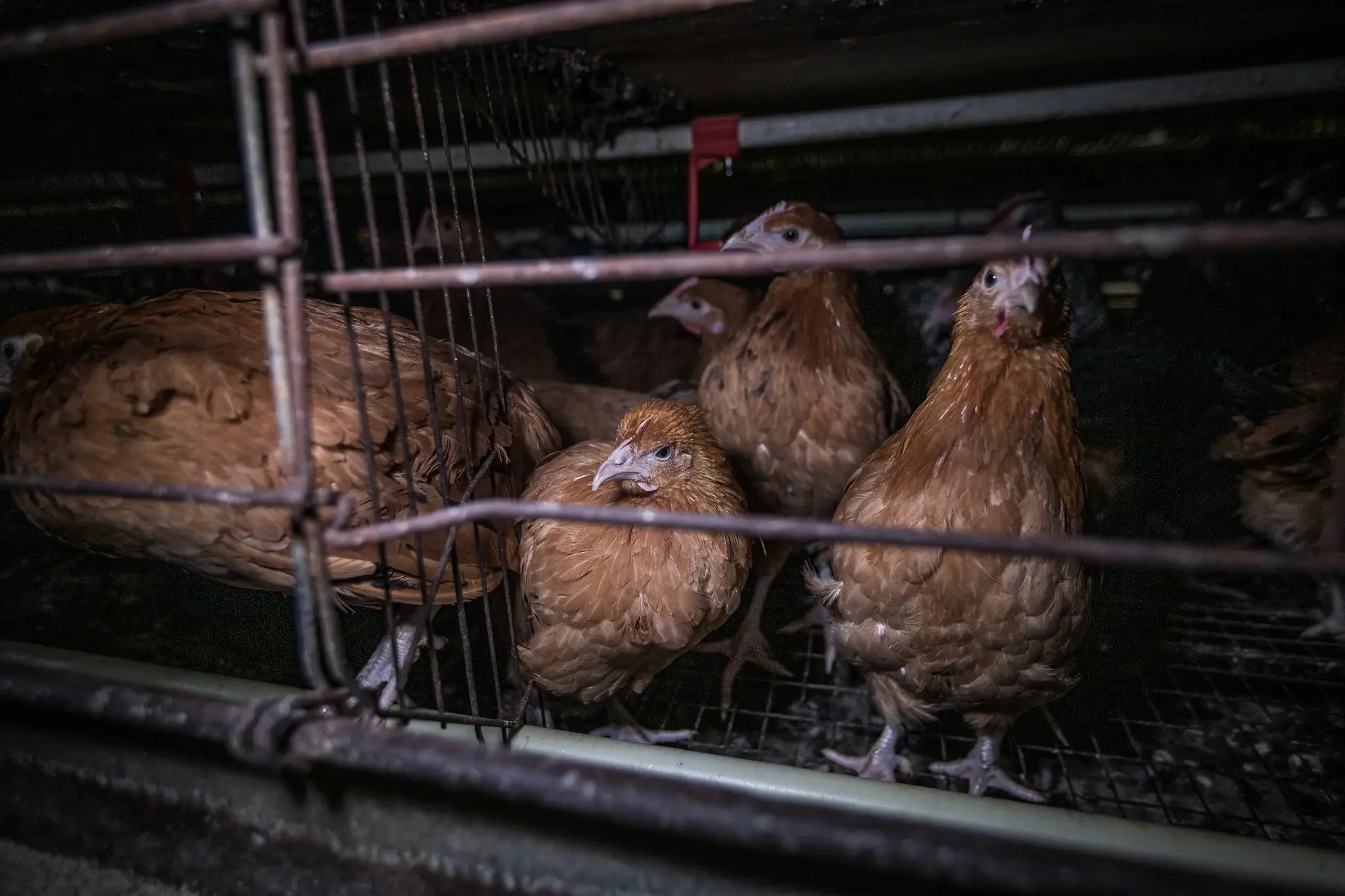
Modified image depicting a hen in a battery cage, sourced from an Andrew Skowron photograph.
Easter embodies hope and new beginnings; except, that is, for the billions of lives whose exploitation is the basis of an increasingly popular and thoroughly unsustainable seasonal celebration.
For many, painting, hiding, and finding eggs are family traditions soaked in childhood memories, a celebration of life's triumphs and the promise of brighter days ahead. Innocent and fashionable activities popularized by international media. However, beneath the surface of painted eggs and joyful hunts lies the harsh reality of layer hens' suffering. There is no renewal or rebirth for them. Rather, and as we have shown time and again, their existence under the egg industry is one of perpetual confinement, pain, and premature death; a life of unimaginable hardships deprived of basic freedoms, and subjected to relentless exploitation.
The Story Behind Egg Coloring and Its Ethical Implications
The practice of coloring and decorating eggs has a rich and diverse history that spans centuries and cultures. It is believed to have originated from ancient pagan rituals celebrating the arrival of spring and the resurgence of life in nature. Eggs, as symbols of fertility and transformation, were often adorned with vibrant colors and intricate designs, marking the transition from winter's dormancy to spring's vibrancy.
Easter, as a religious celebration rooted in Christianity, further contributed to the tradition of egg coloring and decorating. During Lent, practicing followers of the belief abstained from certain foods, including eggs. This practice resulted in a surplus of eggs accumulating by Easter, providing the practical basis for the tradition of decorating eggs as a symbol of new life and hope during Easter celebrations. However, it's important to note that the abundance of eggs during this time is not a natural occurrence but rather a consequence of human intervention. The continuous laying of eggs by chickens, unlike most other birds, is a result of selective breeding and genetic manipulation, representing a cruel tinkering with their bodies and reproductive systems.
As the tradition progressed, eggs became intertwined with Christian beliefs, symbolizing the resurrection of Christ and the promise of new life. This tradition evolved into a cherished custom, passed down through generations. Eventually, Easter egg hunts transcended religious and cultural boundaries, becoming a beloved universal activity. However, this popularity coincided with the industrialization of egg production, leading to increased suffering for hens in factory-like operations. Without this industrialization, the tradition could not have reached its current global scale.
Navigating Welfare Challenges during Peak Seasons
The decoration of and with eggs during Easter has indeed become a global phenomenon, marking the second-busiest time for egg sales following the winter holidays. However, this year, the industry faces compounded challenges due to the widespread bird flu outbreak, resulting in the loss of over 13.64 million hens, used for table eggs, in the United States since November.
But it's not just the holiday demand and the smaller stock sizes that have farmers struggling to supply enough eggs; recent welfare updates in states like California, Colorado, Massachusetts, Michigan, Nevada, Oregon, Rhode Island, Utah, and Washington have added to their challenges. Despite consumers noticing the surge in retail prices due to heightened demand, they frequently fail to recognize the escalated suffering experienced by hens, irrespective of the barn setting. Many express their frustration publicly, seeking cheaper alternatives, despite their previous voting support for 'better hen welfare' initiatives just a few months ago.
This inconsistency in supporting policies with words rather than actions is also evident internationally. For instance, a significant loophole has recently come to light regarding Germany’s ban on male chick killing. Although celebrated as a major win, there is no prohibition on the import of eggs, or egg products, from countries that still allow the killing of male chicks. This includes pre-dyed Easter eggs that flood the market during festive periods. Furthermore, while the ban addresses the high number of dead male chicks, the female hens are still subject to exploitation and early death. The poultry industry's alert about eggs sourced from farms where chick culling persists highlights how consumers, who were the main driver for the culling ban, often compromise their ethical values when confronted with higher prices and limited supply.
While changes in the current food system are essential, particularly regarding animal wellbeing, the difficulties of balancing the demands of various interested parties–from stakeholders and farmers to consumers and animal welfare organizations–raises a key question: why is the emphasis solely on transitioning to cage-free systems rather than exploring egg-free alternatives or reducing egg consumption?
In a previous blog post, we argue that if we are looking at alternatives for animal eggs in our cooking and baking, we find that there are plenty of economical and healthier options available, even for traditional Easter crafts. Considering this, let's delve into exploring eco-friendly egg-free options for Easter celebrations.
Discovering Ethical Alternatives for Easter Celebrations
This Easter, let's hop into a world of creativity and compassion by exploring egg-free options for coloring and crafting. Whether you're crafting with kids or enjoying some solo artistic time, there are plenty of sustainable and eco-friendly alternatives to traditional egg dyeing.
Sustainable Coloring Options:
Plant-Based Dyes
Utilize the vibrant colors found in fruits and vegetables like beets, spinach, turmeric, and blueberries to create beautiful and natural dyes.Natural Food Coloring
Opt for organic and plant-based food coloring options available in stores for a convenient yet eco-friendly choice.DIY Eco-Dyes
Get crafty with homemade dyes using ingredients like tea, coffee, onion skins, and paprika for unique and earthy hues.
Vegan Egg Alternatives:
Wooden Eggs
Reusable and biodegradable, wooden eggs are a durable and eco-friendly option for egg crafting.Ceramic Eggs
Long-lasting and recyclable, ceramic eggs offer a sustainable alternative to traditional eggs.DIY Paper Mache Eggs
Create your own eco-friendly eggs using recycled paper and non-toxic glue for a fun and sustainable crafting experience.Plastic-Free Plastic Eggs
Look for plastic-free plastic eggs made from biodegradable materials for a less harmful option.Plastic Eggs
If using plastic eggs, opt for those made from recycled materials and commit to reusing them in future Easter celebrations.
Craft Compassionately:
Reuse and Recycle
Instead of buying new crafting materials, repurpose items from around the house like old fabric scraps, cardboard, or paper to reduce waste.Go Digital
Explore virtual Easter egg decorating apps or online platforms for eco-friendly and waste-free crafting fun.Spread Kindness
Incorporate acts of kindness into your Easter celebrations, such as making DIY gifts for loved ones or donating to local animal sanctuaries in honor of the holiday.
Easter, with its rich tapestry of tradition and symbolism, invites us to reflect not only on the joys of renewal and celebration but also on the ethical considerations that accompany our festive traditions. The vibrant history of egg coloring reminds us of the interconnectedness of our choices and the impact they have on the world.
In the midst of fluctuating food prices and economic uncertainty, it's more important than ever to approach our diets with mindfulness and intention. By opting for egg-free alternatives, we reduce our ecological footprint and extend our compassion to the animals who share our planet.
As we gather with loved ones to celebrate Easter and the arrival of spring, may our plates be filled with nourishing food that honors the earth and all its inhabitants.
Best wishes for a holiday season filled with joy, love, and kindness, both on our plates and in our hearts, not just during the holidays but every day beyond.
Juliane Priesemeister, Executive Director
Juliane worked almost a decade for an international corporation as an information designer. Generating compelling visual stories was her daily deed, but as much as she enjoyed the creative work the big corporation environment left her hungry for substance and impact.
When she started her yoga journey a few years ago the “do no harm” philosophy pushed her to align work with her personal ethics and values. Today she uses her omnibus skill set, including marketing communications, economics, and graphic design, to reveal the truth about the egg industry to consumers.
Eggless Salad
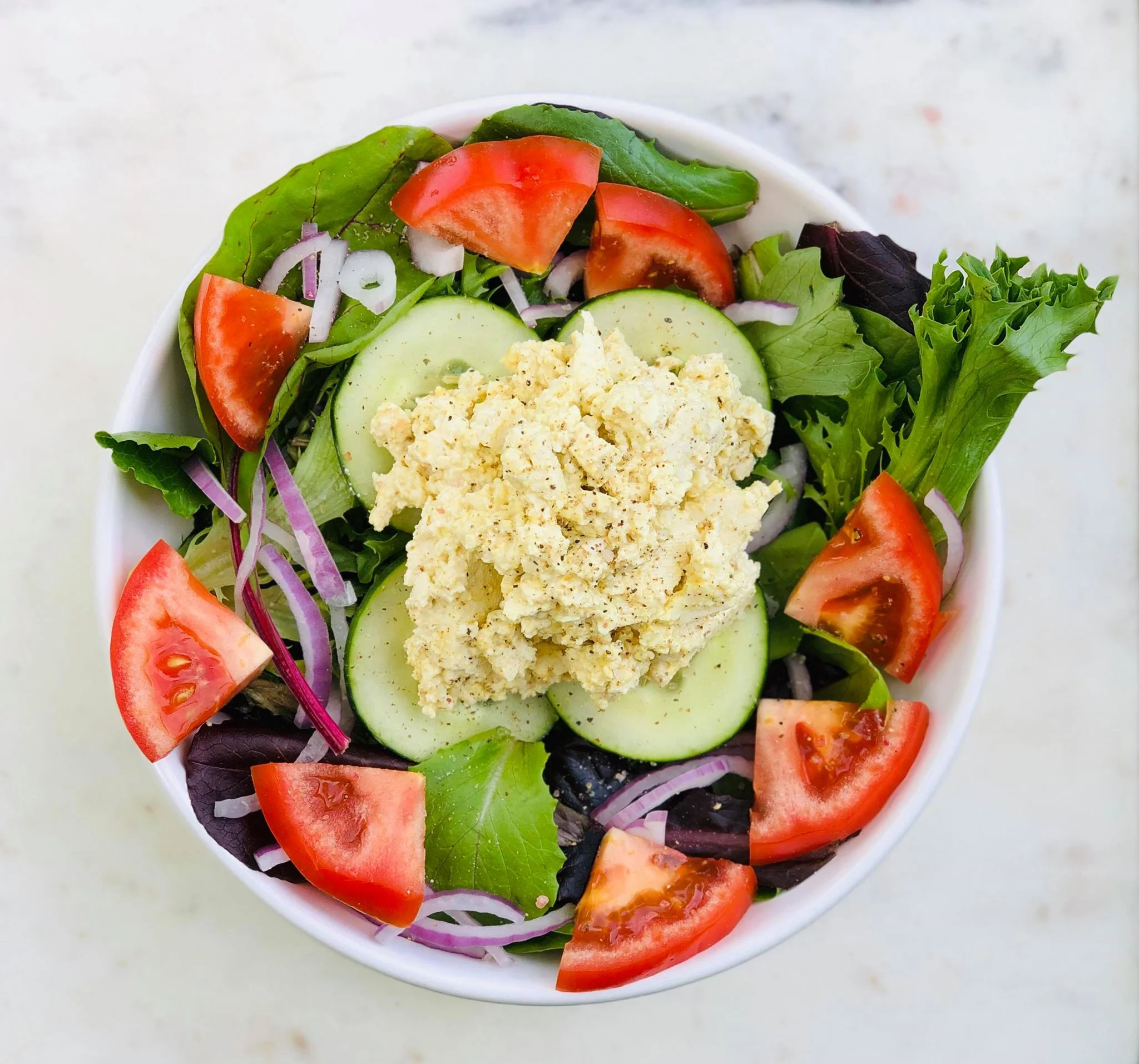
Eggless Salad. Recipe by Chef Linda of Esther's Kitchen.
Eggless Salad
Recipe courtesy of Chef Linda of Esther's Kitchen!
Here’s an easy Tofu Egg Salad that features Aquafaba Mayo. It’s so good served on a bed of lettuce or in a sandwich. Use a store bought egg-free mayo or make your own Aquafaba Mayo.
Cuisine: Esther Approved, egg-free, gluten-free, contains soy
Prep Time: 10 minutes
Yields: 1 lb 2 oz
Author: Chef Linda | Esther's Kitchen
Ingredients:
14 oz (397g) package organic firm tofu, drained
1/3 cup egg-free mayo of your choice
1/2 teaspoon onion powder * 1/4 teaspoon garlic powder
1-1/2 teaspoons yellow mustard or Dijon mustard
1 teaspoon nutritional yeast
1/2 teaspoon Kala Namak black salt for eggy taste or sea salt, to taste
1/8 teaspoon coarse ground black pepper or to taste
1/8 teaspoon turmeric powder for colour
Preparation:
1. Slice the tofu in thirds lengthwise. Lay the pieces between a towel. Press them to remove most of the water.
2. Roughly chop the tofu in a mixing bowl with a knife to resemble chopped hard boiled eggs. Stir in the remaining ingredients.
3. Spread the Tofu Egg Salad on bread, toast, bagels or serve on a bed of lettuce greens.
4. Refrigerate the salad for up to 2 days in a sealed container. Stir before serving.
5. Make the aquafaba mayo.
ENJOY!