Should Ethical Vegetarians Eat Eggs?
While eggs may seem less harmful than meat, the truth is that they are a key product of an industry that views chickens as commodities, not living beings.

Eggs are often seen as a gray area in vegetarian diets—while meat is typically off the plate, eggs somehow manage to stay.
For many vegetarians, eggs are an easy source of protein and a convenient part of daily meals. But for those who strive to live compassionately, can eating eggs really align with ethical values? The truth is, the egg industry thrives on cruelty and exploitation, no matter the label on the carton. By the end of this post, we’ll explore whether ethical vegetarians should continue eating eggs—and why anyone committed to reducing harm may want to reconsider their choice.
Why Are You Vegetarian?
Many people become vegetarian for moral reasons, driven by a desire to reduce animal suffering. Ethical vegetarians believe that animals should not be killed or exploited for food, recognizing that animals have a right to live free from harm. The decision to avoid meat is rooted in the belief that no sentient being should be treated as a mere resource for human consumption.
However, vegetarianism is also common for other reasons—health, environmental sustainability, or simply personal preference. But whether the choice is moral or not, it’s important to understand how the egg industry fits into this conversation and why even those who became vegetarian for non-moral reasons might want to start thinking about the ethical implications of eggs.
What makes it so Hard to Ditch Eggs?
For many vegetarians, eggs are a dietary staple. They’re convenient, found in countless recipes, and often seen as essential for protein. The idea of baking without eggs or skipping an easy omelet can seem overwhelming. But this struggle is very common—many vegetarians hold onto eggs because they’ve been taught to believe they’re irreplaceable. And socially, eggs are still widely accepted as “harmless,” even in ethical discussions.
There’s also the convenience factor—eggs are easy, quick, and familiar. For someone who’s already made the leap to stop eating meat, giving up eggs can feel like one more challenge. But studies show that overcoming this hurdle is possible, and today’s plant-based alternatives make it easier than ever.
The Dark Reality of Eggs: The Cruelty Behind Every Carton
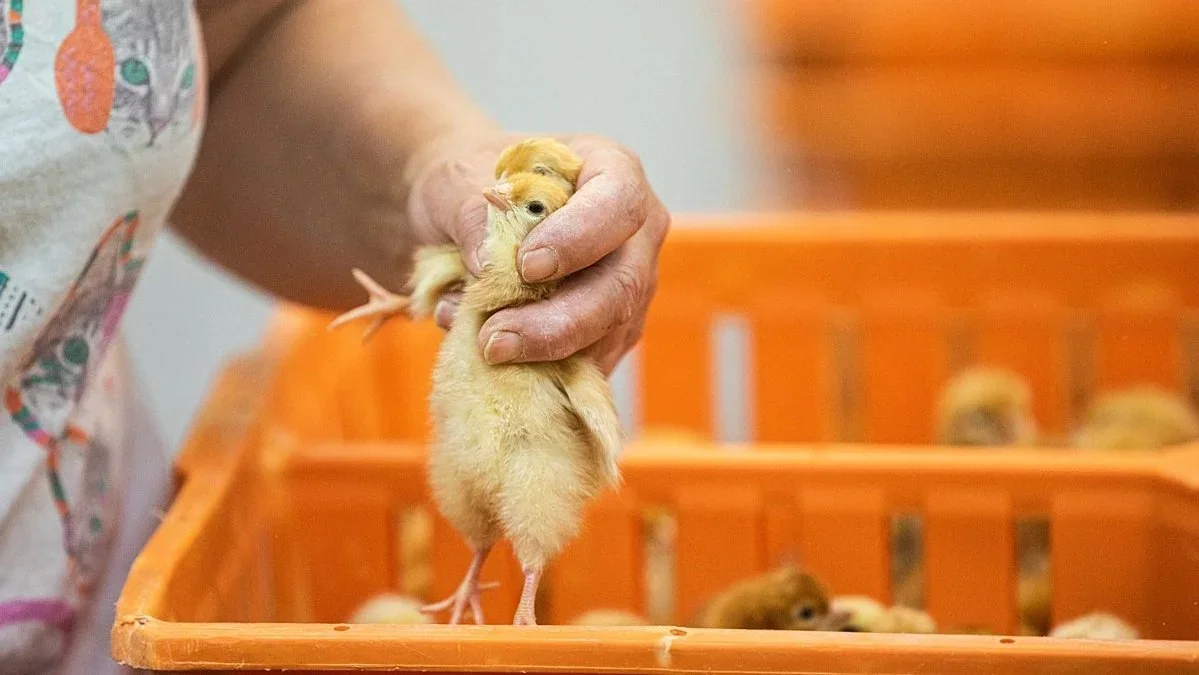
Here’s the difficult truth: eggs aren’t as innocent as they appear. The industry thrives on killing. Male chicks, unable to lay eggs and therefore seen as useless, are killed by the billions every year—often through brutal methods like being ground up alive or suffocated. This practice happens regardless of whether the eggs are labeled “free-range,” “organic,” or “cage-free”.
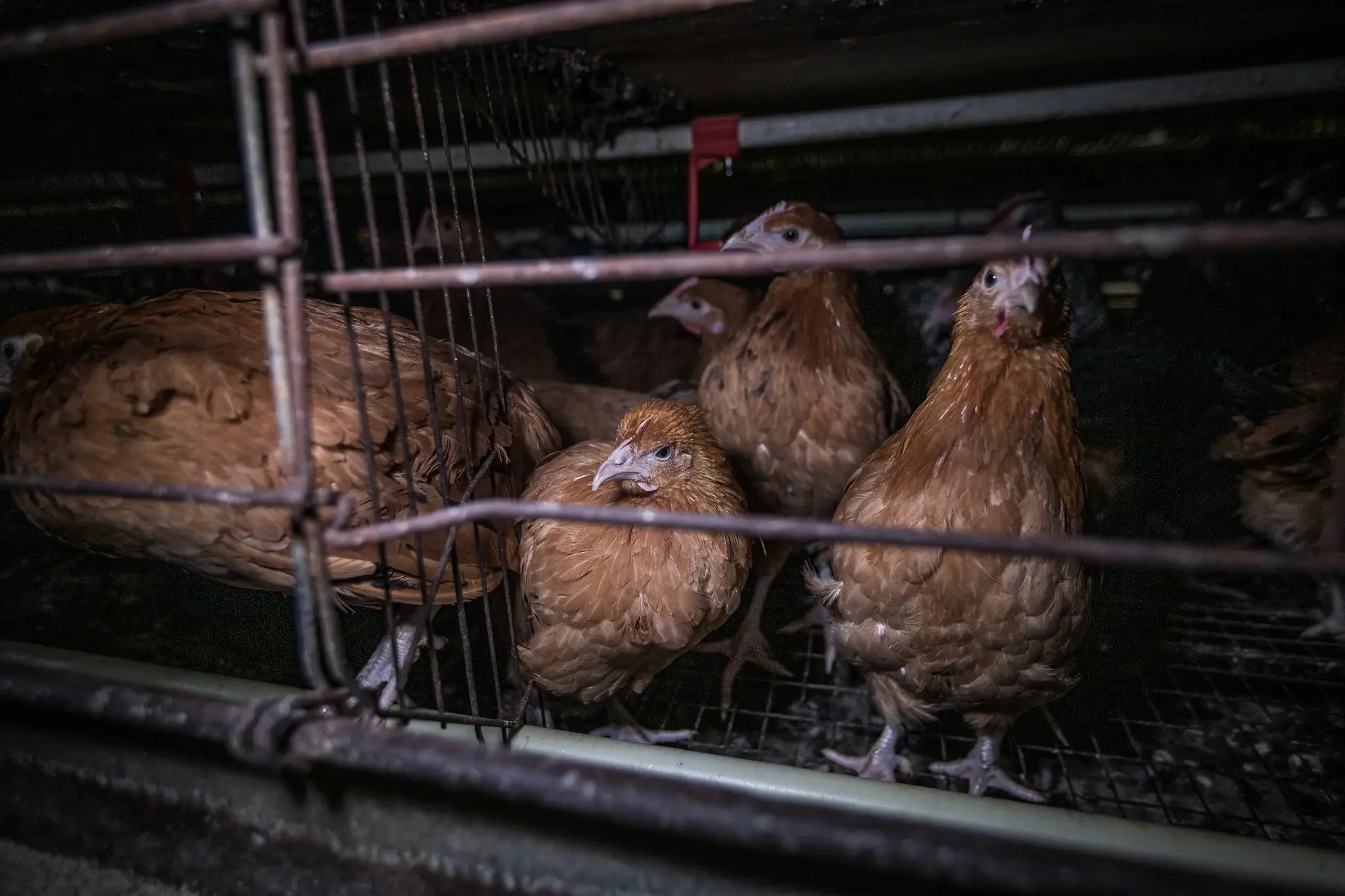
Even the hens who do lay eggs live short, miserable lives. They are bred to lay far more eggs than their bodies are naturally capable of, leading to exhaustion, physical breakdown, and suffering. Once their egg production declines, they are sent to slaughter. The label on the carton doesn’t change this—these animals are still viewed as commodities, and when they’re no longer profitable, they are killed. For a deeper dive into the hidden horrors behind egg labels, read more here.
Why Every Vegetarian Should Care
For those who became vegetarian for health or environmental reasons, it’s worth asking—does supporting an industry built on suffering really align with these goals? Eggs are often seen as a “neutral” option, but they’re anything but. The environmental impact of egg production includes resource-intensive farming practices and the pollution caused by industrial-scale facilities. And from a health perspective, eggs are high in cholesterol and saturated fat—both of which can have long-term negative effects on health.
Beyond health and sustainability, there’s a deeper moral question: Do animals deserve to suffer for convenience? Even if moral concerns weren’t part of the initial decision to go vegetarian, the realities of the egg industry provide compelling reasons to reconsider. Compassion, after all, is a value that transcends dietary choices—it’s about recognizing the right of animals to live without exploitation.
Should Ethical Vegetarians Eat Eggs?
The answer is clear: No, ethical vegetarians should not eat eggs. The egg industry, no matter the label, is built on exploitation and death. For anyone who values the right of animals to live free from harm, continuing to eat eggs contradicts those principles. But it’s not just about ethics. Whether for health, environmental reasons, or compassion for living beings, there are countless reasons to leave eggs off the plate.
So, what’s stopping the switch to egg-free? Is it breakfast, baking, or just the idea of giving up a convenient food? Don’t worry—many vegetarians feel the same way. The good news is that it’s easier than ever to find delicious, easy alternatives that make this transition smoother than expected. Whether it's a chickpea scramble or flaxseed for baking, there’s a cruelty-free option for every craving. If you’re looking for inspiration, check out our guide to egg replacements.
Sources & Further Reading
Article Sources:
https://faunalytics.org/why-do-vegetarians-continue-eating-cheese-and-dairy/
https://faunalytics.org/understanding-cognitive-dissonance-in-vegetarians-and-pescatarians/
https://faunalytics.org/differing-empathy-in-vegetarians-vegans-and-omnivores/
Further Reading:
Misleading Welfare Labels: The Cage-free Illusion
Inherent Cruelties of Eggs: Backyard Chickens
How to Replace Eggs: Recipes and Resources
Ready to Go Vegan? Vegan Bootcamp
The Ultimate Vegan Egg Replacement Guide
Starting out with egg-free baking and cooking may feel intimidating, but this guide is designed to empower you to ditch eggs in most recipes and confidently begin your egg-free journey.
Are eggs really necessary? Spoiler alert: they're not!
Whether you're transitioning to a plant-based lifestyle or just looking for healthier, cruelty-free alternatives, vegan egg replacements make it easier than ever to whip up your favorite dishes without compromising on taste or texture.
Eggs play several crucial roles in baking and cooking—from binding ingredients to adding moisture, leavening, and even aerating batters. But with the right knowledge, it’s easy to replicate those functions using vegan ingredients. In this guide, we’ll dive into the science behind eggs in recipes, explore plant-based replacements for each function, and share tips for using them.
Step-by-Step Guide to Egg-Free Cooking
Identify the Role of Eggs: Determine if eggs in the recipe are used for binding, leavening, moisture, or aeration.
Choose the Best Substitute: Use the guide above to match the egg replacement to the egg's function.
Adjust, Test and Tweak: Some substitutes (like applesauce or mashed banana) may add extra moisture. Adjust by slightly reducing the liquid content in your recipe. Vegan baking may require some trial and error, so don’t hesitate to adjust based on your results.
1) Identify the Role of Eggs
Eggs serve several key functions in most recipes, each playing a unique role in creating the textures and structures we expect in baked goods and cooked dishes. Understanding how eggs work is the first step in finding the right vegan substitute.
Binding: Eggs act as a glue that holds ingredients together. This is crucial in recipes like cookies, pancakes, veggie burgers, and plant-based meatloaf, where ingredients would otherwise crumble or fall apart. Replacing the binding properties of eggs ensures that your baked goods and savory dishes maintain their structure.
Leavening: Eggs help trap air and create lift, giving baked goods their rise. In recipes like cakes, muffins, and soufflés, eggs create a light and fluffy texture. Without proper leavening, baked goods can end up dense or flat. Choosing the right egg substitute for leavening will keep your treats soft and airy.
Moisture: Eggs contribute moisture to batters and doughs, adding richness and softness to cakes, brownies, and cookies. When eggs are replaced, it’s essential to use alternatives that provide similar moisture, so your baked goods don’t turn out dry or crumbly.
Emulsifying: Eggs act as natural emulsifiers, allowing fats and liquids to combine smoothly. This is particularly important in recipes like mayonnaise, custards, and creamy desserts, where a smooth, even texture is key. Using vegan substitutes that replicate this emulsifying effect will help you achieve the right consistency.
Aeration: Whipped egg whites are often used to incorporate air into mixtures, contributing to volume and lightness in recipes like meringues, soufflés, and macarons. The ability to trap air is critical for creating those delicate, airy textures. Vegan substitutes can mimic this function, allowing you to achieve the same light and fluffy results.
2) Choose the Best Substitute
| Egg Function in these baked goods |
Binding | Leavening | Moisture | Aeration | Emulsifying |
|---|---|---|---|---|---|
| Cookies | X | X | |||
| Cakes | X | X | X | ||
| Muffins | X | X | X | ||
| Brownies | X | X | |||
| Pancakes | X | ||||
| Quick Breads | X | X | X | ||
| Pies | X | ||||
| Savory Dishes | X | ||||
| Meringues | X | ||||
| Macarons | X | ||||
| Soufflés | X |
Binding (Holding Ingredients Together)
Flaxseed Meal (Flax Egg): 1 tbsp ground flaxseed + 2.5 tbsp water. Let sit for 10 minutes to thicken. Great for cookies, muffins, and veggie burgers.
Chia Seeds (Chia Egg): 1 tbsp ground chia seeds + 2.5 tbsp water. Similar to flax eggs, but forms a more gel-like consistency. Great for cookies and pancakes.
Applesauce: 1/4 cup unsweetened applesauce. Provides binding and moisture, but can add density. Best in muffins, pancakes, and cookies.
Mashed Banana: 1/4 cup mashed ripe banana. Adds sweetness and works as a binder, ideal for pancakes and quick breads.
Aquafaba (Chickpea Brine): 3 tbsp lightly whipped for 1 egg. Works well in cookies, brownies, and cakes.
Nut Butters: 2 tbsp peanut, almond, or cashew butter. Binds ingredients in dense baked goods like brownies, pancakes, and cookies.
Tomato Paste: 2 tbsp (ideal for savory recipes like plant-based meatloaf and burgers).
Arrowroot Powder: 2 tbsp + 3 tbsp water. Great for thickening sauces and adding smoothness to batters.
Potato Starch: 2 tbsp (works well in savory dishes like burgers and meatloaf).
Leavening (Helping Baked Goods Rise)
Baking Soda + Vinegar: 1 tbsp vinegar (apple cider or white) + 1 tsp baking soda. Perfect for cakes and muffins.
Carbonated Water: 1/4 cup. Adds bubbles and lightness, great for cakes and muffins.
Non-Dairy Yogurt (Unsweetened): 1/4 cup + 1/2 tsp baking powder. Helps with leavening and moisture in cakes.
Diet Soda: 1/2 cup, great for cakes (especially when you're in a hurry).
Moisture (Adding Richness and Softness)
Silken Tofu: 1/4 cup puréed. Provides moisture and creaminess in dense baked goods like brownies, pies, and cheesecakes.
Pumpkin or Sweet Potato Purée: 1/4 cup. Adds moisture and slight sweetness, ideal for breads, muffins, and brownies.
Avocado: 1/4 cup mashed. Adds richness and moisture, best in dense baked goods.
Vegetable Oils (Olive, Coconut, Canola): 1/4 cup. Works well in cakes and quick breads to add moisture.
Mashed Potatoes (White or Sweet): 2 tbsp mashed. Good for savory dishes like meatloaf.
Aeration (Providing Volume and Fluffiness)
Aquafaba (Whipped): 3 tbsp whipped to stiff peaks with cream of tartar. Ideal for meringues, macarons, and soufflés.
Carbonated Water: 1/4 cup. Traps air bubbles for a light, fluffy texture in cakes and muffins.
Agar-Agar: 1 tbsp agar-agar + 4 tbsp boiling water. Great for meringue.
Emulsifying (Combining Fats and Water)
Silken Tofu: 1/4 cup puréed. Acts as a great emulsifier in creamy desserts like pies and cheesecakes.
Non-Dairy Yogurt: 1/4 cup. Helps combine fat and water in batters, especially for cakes.
Cornstarch or Arrowroot Powder: 1 tbsp starch + 2 tbsp water, works to bind and emulsify in sauces and custards.
3) Test, Adjust and Tweak
Starting out with egg-free baking and cooking may feel intimidating, but this guide is designed to empower you to ditch eggs in most recipes and confidently begin your egg-free journey. It’s important to remember that every recipe might need slight adjustments depending on the ingredients and replacements you use—so don’t be afraid to experiment!
For example, if your batter seems too thick, try adding a bit more liquid or your chosen egg replacement. If it’s too runny, reduce the liquids or increase the binding agents. Vegan baking often requires a bit of flexibility, but once you get the hang of it, you’ll be amazed at how easy and satisfying it can be.
Feeling unsure? No problem! There are plenty of tried-and-tested vegan recipes to guide you through the process. Whether you're baking a decadent cake, flipping pancakes, or whipping up a hearty breakfast, our collection of recipes has you covered on our blog, or check out this collection of drooling recipes.
Vegan egg replacements have come a long way in recent years, and many options are now readily available on supermarket shelves. For an extensive list of the best vegan egg substitutes you can find in North America, check out our detailed guide.
Swapping out eggs in your recipes doesn’t mean sacrificing taste or texture. Whether you’re looking to go fully plant-based or just want to try something new, these egg replacements will help you make delicious meals while staying compassionate.