Egg Industry Juliane Priesemeister Egg Industry Juliane Priesemeister

The "No-Kill" Egg Illusion: What In-Ovo Sexing Really Means for Chickens

The egg industry's latest "no-kill" marketing promises sound compassionate, but the reality is far different.
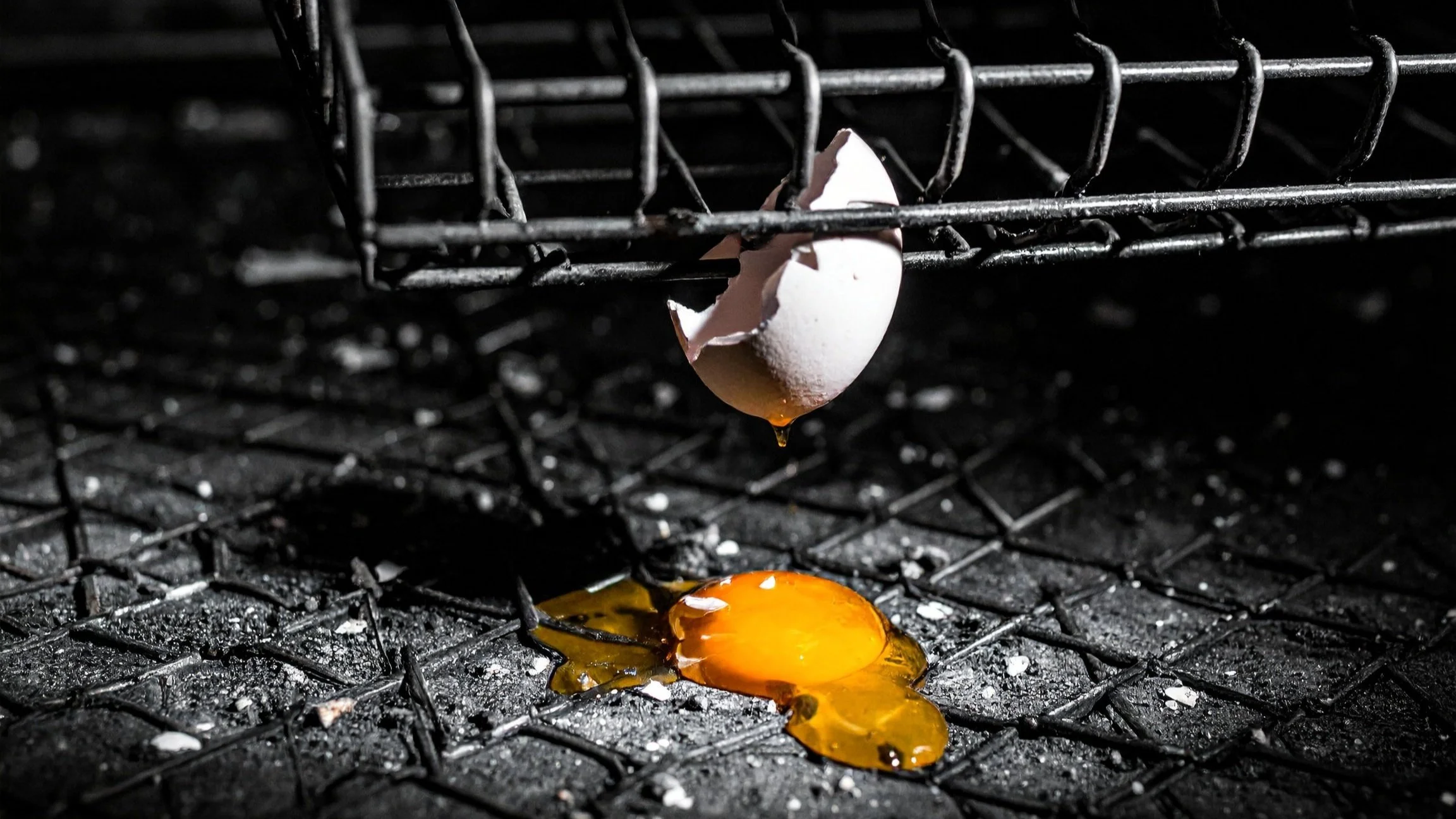
We could save billions of lives each year, but instead, society is focusing on how to kill them in a kinder way.

In our previous post on in-ovo sexing, we discussed these emerging technologies and their role within the egg production apparatus, demonstrating how they perpetuate rather than eliminate the suffering inherent to this industry.

Sentient's recent exposé on ‘Kipster’'s calculated entry into the US market, complete with their carefully marketed pledge to raise male chicks for meat, compels us to revisit this critical issue. What we're witnessing is nothing short of a co-optation of our movement's language and moral urgency. This post will expose what actually happens to male chicks under these new technologies and why every welfare reform ultimately fails to liberate animals from commodification.

From Exposing Cruelty to Comforting Labels: How the Industry Reframes the Debate

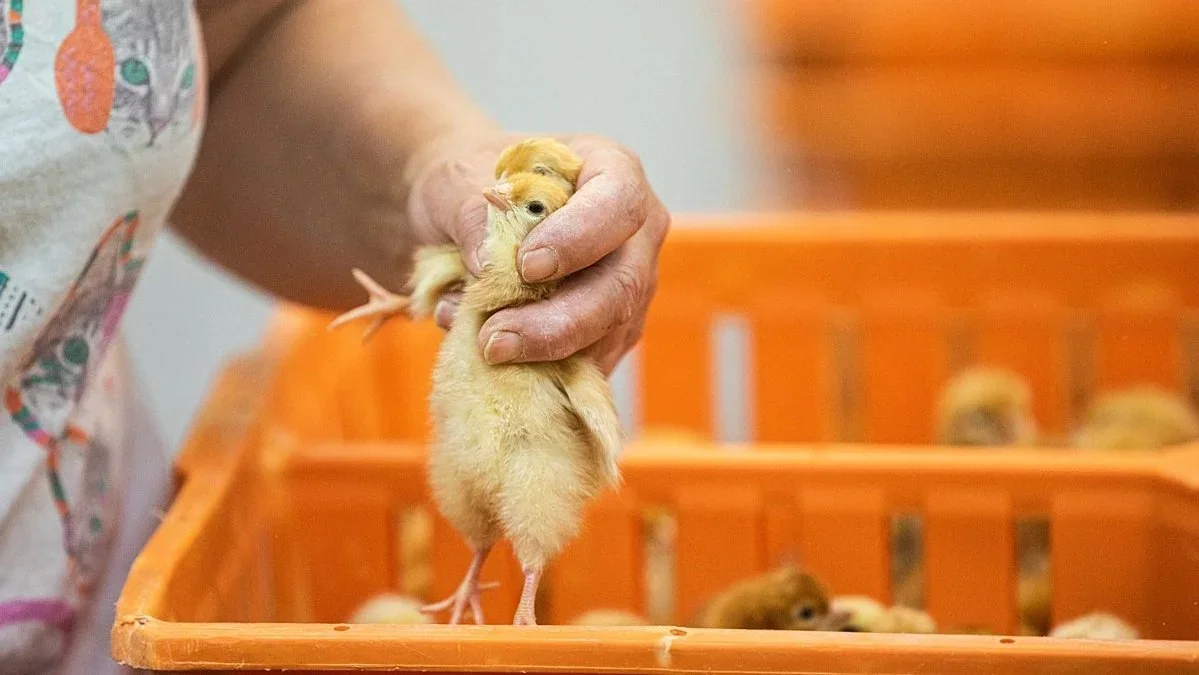
Few cruelties in the egg industry are as publicized as the mass culling of male chicks.

For years, activists have shared shocking footage of newborn chicks falling into grinders or suffocating in sacks, forcing the public to confront the hidden violence behind every carton of eggs.

Now, tech companies and egg producers are racing to market in-ovo sexing technologies that promise to “spare” male chicks by destroying them before they hatch.

While activists use the horror of chick culling to urge people to ditch eggs, these companies seize the moment to offer comforting labels and welfare promises, letting consumers believe their conscience can rest easy.

The egg industry is quick to adopt buzzwords: “no-kill eggs,” “cull-free,” “humane eggs.” Certification programs like ‘Hatch Check’ in the US reinforce these claims, but the reality is far less comforting.

This marketing works because most consumers don't know the details. While 82% of people say they'd prefer “no-kill” eggs, only 11% know male chick culling is standard practice. The industry relies on this gap, using emotional language to soothe consumer guilt while the fundamental ethical problems remain untouched.

Even ‘Kipster’, a company often cited for its commitment to raising male chicks, recently told Sentient that in-ovo sexing is only a temporary solution in the U.S., openly acknowledging that destroying male eggs is a shortcoming compared to their desired goal of raising males for food.

This shift isn't about ending cruelty. It's about moving it out of sight and selling the illusion of cruelty-free.

What Really Happens to Male Chicks: The “Kinder” Killing

In-ovo sexing determines the sex of chicken embryos inside fertilized eggs before hatching, allowing hatcheries to remove male embryos between days 4 and 13 of incubation. The technology uses various methods like optical scanning, genetic analysis, or experimental sound wave treatments. This timeline is significant, as scientific consensus suggests chicks begin to develop pain perception around day 13, which companies use to justify early destruction as more “humane.”

Here's what actually happens to those male embryos the industry claims to “spare”:

Crushed and processed as eggs: The overwhelming majority of male eggs identified by in-ovo sexing are destroyed before hatching and processed into animal feed, pet food, or protein powder.

  • Respeggt’ (Germany/Europe/US) uses the Seleggt Circuit to extract fluid from eggs on day 9, identifies male embryos, and removes them for processing into animal feed.

  • In Ovo’ (Netherlands) uses their “Ella” system to sample egg fluid on day 9, with male eggs also processed for feed.

  • CHEGGY’ (Germany/US) uses hyperspectral imaging for brown eggs, with male embryos removed and processed for animal feed.

  • Orbem’ (Germany) employs AI and MRI to identify sex by day 12; male eggs are processed before hatching.

Raised for meat (rare): Some companies, like ‘Kipster’ (Netherlands/US), have trialed raising male chicks for meat. However, this is rare and not scalable due to high costs, poor feed efficiency, and lack of market demand for rooster meat. Even ‘Kipster’ has now switched to in-ovo sexing in the US, citing infrastructure and economic barriers.

Turned into hens (experimental): ‘SOOS Technology’ (Israel/US) is piloting a method to convert genetic males into egg-laying hens using sound waves. This is still experimental and not commercially widespread.

No matter the method, the reality is clear: male chicks are not “spared.” They are simply eliminated earlier, out of sight, and often repurposed for economic gain. The industry's new language of “no-kill” and “humane” eggs is a marketing strategy, not a moral revolution.

Why Welfare Reforms Won't End Animal Suffering

In-ovo sexing exemplifies how welfare reforms serve industry interests rather than genuine animal protection. Despite the new marketing and technological advances, the ethical and economic realities remain unchanged.

  • Systematic destruction persists. Whether at day 1 or day 13, male lives are eliminated for economic efficiency. The timing changes, but the commodification of life continues unabated.

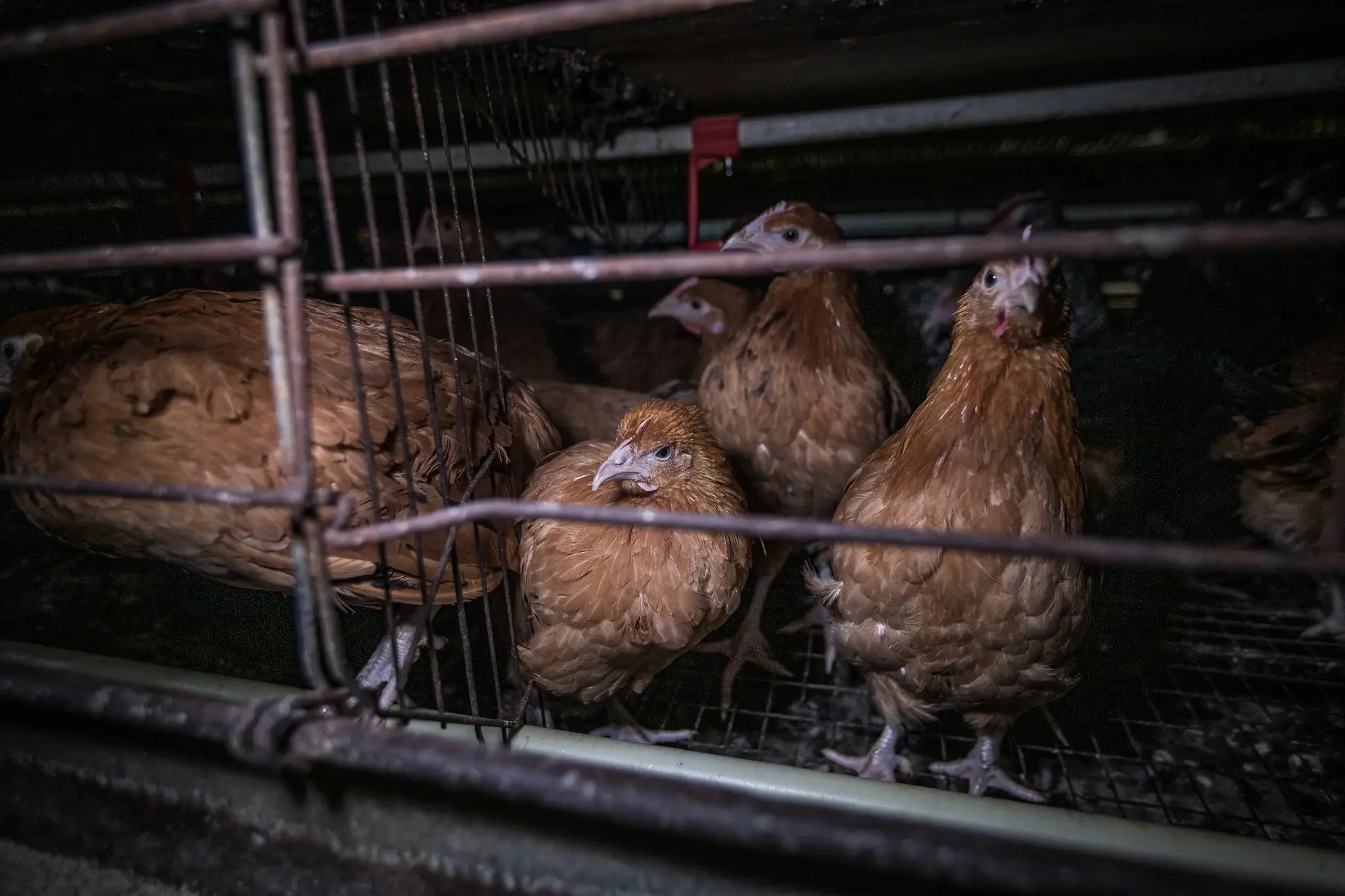
  • Female suffering persists. Hens on commercial egg farms endure painful debeaking, severe confinement, and slaughter when productivity declines. These females see no benefit from “no-kill” marketing. Their lives remain just as confined, just as painful, just as short.

  • Suffering of the parent flocks persists. These breeding birds, the unseen origin of every egg, live stressful and restricted lives. Hens and roosters bred specifically for fertile egg production endure chronic confinement, minimal freedom, and relentless reproductive demands. Their conditions remain unaffected by the shift to in-ovo sexing.

Companies adopt in-ovo sexing for profit, not compassion. It reduces costs, increases efficiency, and creates new revenue streams from processed male eggs. In-ovo sexing adds less than 1 cent per egg to production costs but offers significant savings in labor, feed, and space.

This pattern repeats across all animal industries: cage-free eggs, grass-fed beef, humane slaughter.

Each “improvement” allows consumers to continue participating in animal exploitation with reduced guilt, providing the illusion of progress while maintaining the profitable status quo.

The language changes, but the fundamental relationship remains the same: animals exist for human profit.

The Real Solution

But you have the power to step outside this system entirely. Every time you choose compassion over convenience, you're taking a stand. If you truly care about animal well-being, please look beyond the labels and marketing promises.

The real solution to ending the suffering of hens isn't a new technology or a comforting promise. It's refusing to participate in a system built on animal exploitation. It's recognizing that no matter how we dress it up, using animals for food means treating them as commodities rather than the individuals they are.

You don't need to wait for the industry to change. You can change right now, with your next meal, your next shopping trip, your next choice. The animals are counting on us to see through the illusion and choose a different path entirely.


Additional Information

    • What is in-ovo sexing?

      In-ovo sexing is a technology that determines the sex of a chicken embryo inside a fertilized egg before hatching, allowing hatcheries to remove male embryos before they hatch into chicks.

    • What happens to the male embryos?

      They are removed from incubation between days 4 and 13 and destroyed, then typically processed into animal feed or protein powder. Some companies have trialed raising these males for meat or converting them into egg-laying hens, but these approaches are rare or experimental.

    • Are “no-kill” or “cull-free” eggs cruelty-free?

      No. These labels only mean no chicks are killed after hatching. Male embryos are still destroyed, just earlier. The ongoing suffering of hens and broader exploitation continue unchanged.

    • Is in-ovo sexing legally required?

      Only a few countries (Germany, France, and soon Italy) have banned male chick culling by law, pushing producers toward in-ovo sexing. Elsewhere, adoption is voluntary or market-driven.

    • Is this practice common worldwide?

      Europe leads globally, with over 28% adoption. North America is just beginning to adopt commercially, and most of the world still relies on traditional chick culling.

    • Does in-ovo sexing increase the price of eggs?

      Slightly. The additional cost to consumers is minimal—typically less than 1 cent per egg—but producers see economic benefits through efficiency gains.

  • Liquid-Based Analysis Technologies

    • Respeggt (Seleggt Circuit) represents the most established commercial technology, operational since 2018. Using DNA analysis of allantoic fluid extracted on day 9 of incubation, male eggs are removed and processed into animal feed or protein powder. The technology now operates across multiple European countries and entered the US market in 2024 through partnerships with Kipster and other producers.

    • In Ovo’s Ella System employs a similar liquid sampling approach but uses proprietary biomarkers rather than DNA analysis. Operating since 2020, male eggs identified by this system are processed into animal feed. The technology processes 4,800 eggs per hour with over 98% accuracy.

    • PLANTegg utilizes PCR-based DNA analysis from allantoic fluid samples. Male eggs are processed into “high-quality feed” according to company specifications. The technology is owned by HatchTech Group and has been operational in Europe since 2020.

    Imaging-Based Technologies

    • Orbem’s Genus Focus employs MRI and AI technology to detect sex differences in embryonic development on day 12 of incubation. Male eggs are processed into animal feed. The system can process up to 24,000 eggs per hour with modular design allowing scalability.

    • Agri Advanced Technologies’ CHEGGY uses hyperspectral imaging to identify sex based on feather color differences, working exclusively with brown layer breeds. Male eggs are processed into animal feed. The technology entered the US market in December 2024 through NestFresh, with eggs from in-ovo sexed hens reaching consumers in mid-2025.

    • MatrixSpec’s HyperEye represents the earliest sexing technology, capable of determination on day 4 of incubation. Currently in commercial validation in Canada, male eggs would be processed into animal feed. The system claims processing speeds of 30,000+ eggs per hour.

    Emerging and Alternative Technologies

    • Sensit Ventures’ VOC Technology uses volatile organic compound detection to “sniff” sex-specific chemicals emitted through eggshells. Still in early-stage development, male eggs would be processed into animal feed if commercialized.

    • Omegga’s Spectroscopic Imaging develops non-invasive optical methods for sex detection, currently in pilot testing in Germany. Male eggs would be processed into animal feed.

    • SOOS Technology presents a unique approach using sound waves to convert genetically male embryos into phenotypically female chickens. Rather than destroying male embryos, this technology aims to create egg-laying birds from genetic males. Currently in limited commercial trials in the US and Israel.

    • Europe: The Pioneer Market

      Europe leads global adoption with 20-28% market penetration as of 2024. Legal bans on male chick culling in Germany (2022), France (2023), and Italy (2026) have driven rapid adoption. Over 110 million of the EU’s 393 million laying hens were hatched using in-ovo sexing technology by April 2025.

      The annual cost of in-ovo sexing in France alone ranges between €40-50 million, creating disputes between producers and retailers over cost-sharing. Despite these challenges, technological improvements have reduced costs from €4.00 per male bird in 2020 to €3.10 in 2024.

    • North America: Early Commercial Deployment

      The United States saw its first commercial in-ovo sexed chicks in December 2024, with NestFresh becoming the first US producer to market such eggs. Kipster, the second US adopter, began using Respeggt technology in 2025, marking a significant shift from their previous commitment to raising male chicks.

      The United Egg Producers launched the “Hatch Check” certification program in 2025, providing standards for in-ovo sexing verification. This represents industry-led adoption rather than regulatory mandates, with major retailers like Walmart including in-ovo sexing in supplier guidelines.

      Canada is developing its own technology through the HyperEye system, with commercial validation underway and planned deployment in 2025.

    • Other Markets

      Switzerland achieved industry-wide adoption through voluntary agreements, with both major hatcheries implementing in-ovo sexing for 100% of production by 2025. Norway reached 22% market penetration through voluntary adoption. Australia and the UK remain in early pilot stages, with limited commercial deployment.

 
Read More
Egg Industry, Backyard Chickens, Cage-free Eggs Juliane Priesemeister Egg Industry, Backyard Chickens, Cage-free Eggs Juliane Priesemeister

Debunking the Most Common Egg Industry Myths – Part 2

In Part 2 of our myth-busting series, we uncover how the egg industry manipulates hens’ biology, environments, and even marketing to hide the suffering behind every egg.

Welcome to Part 2 of our myth-busting series on the egg industry.

In Part 1, we tackled common misconceptions about hens and eggs. Now we’re exploring myths about hen biology, manipulated living conditions, and misleading marketing claims, such as “hens naturally lay eggs daily,” or “dark yolks indicate better welfare.”

If you've ever wondered how “natural” eggs really are, keep reading.

5. “Only happy hens lay eggs.”

This common belief sounds comforting, but it’s misleading.

Laying eggs is a biological function, not a reliable indicator of wellbeing. A hen may continue to lay even when her body is under immense stress. This is because hens have been bred to be highly productive, and their physiology allows them to keep laying despite poor conditions.

In commercial farms, hens face constant stress—from overcrowded barns, rough handling, and noise to sudden changes in temperature, light, or feed. These stressors can cause hormonal spikes or chronic health issues like weakened bones and suppressed immune function. Yet many hens keep laying through it all due to a process called allostasis: their bodies adapt to stress to maintain egg production—even when it takes a toll.

Egg output doesn’t mean a hen is thriving. In fact, hens in less stressful backyard environments might lay fewer eggs but live much longer and healthier lives. Meanwhile, commercial hens might keep laying while silently suffering from parasites, poor nutrition, or reproductive exhaustion.

The bottom line: consistent egg laying is not a sign of happiness or good health—it’s often a sign of survival in a system that prioritizes output over wellbeing.

👉 Learn more.


6. “Hens lay an egg every day—it’s the most natural food to eat”

The egg industry likes to suggest that daily egg-laying is simply what hens do. It sounds natural, even effortless. But this image is far from the truth.

Today’s hens are the result of decades of intense selective breeding. While their wild ancestors laid around 12 eggs per year, modern hens have been engineered to produce between 250 and 330 eggs annually. In some cases, industry breeding targets push for as many as 500 eggs per hen in a single laying cycle.

This level of output is anything but natural. It puts enormous strain on the hen’s body and leads to serious health issues, including osteoporosis, skeletal depletion, and reproductive tract problems. After just 72 to 100 weeks of this exhausting cycle, the hens are considered no longer profitable and are sent to slaughter.

The truth is, hens do not lay eggs every day because it is natural. They do it because they have been genetically manipulated to meet the demands of a system that sees them as egg-producing machines.

What we call “natural” is actually the result of extreme intervention in their biology.

👉 Learn more.


7. “Hens need sunlight to lay eggs—egg farms are bright places.”

The industry loves to show sun‑drenched barns, giving the impression that hens bask in natural daylight. In reality, sunlight is not required. What matters is control.

Hens are photoperiod‑sensitive birds; their bodies start an egg‑laying cycle when they receive roughly 14 to 16 hours of light. Farmers replicate spring and summer by flipping on low‑watt bulbs and setting them on a timer. No sun needed—just electricity.

Most barns run at 10 to 20 lux, about as bright as a dim hallway closet. A sunny day outside reaches over 80 000 lux. In these gloomy sheds, dawn and dusk are faked, and red or orange lights are sometimes added to stimulate reproductive hormones. The goal is simple: more eggs, more quickly, with little regard for the toll on the hens’ bodies.

This artificial schedule keeps hens producing nonstop while masking the harsh, cramped reality inside the barn. Bright marketing photos do not match the dim truth.


👉 Learn more.


8. “A dark yolk means a hen is happy and healthy.”

Egg cartons often feature deep, vibrant yolks to suggest freshness, better taste, and healthier hens. This appealing imagery, however, is purely marketing.

Egg yolk color mainly depends on diet—specifically, carotenoids from plants like corn, carrots, or alfalfa. In nature, these pigments produce a range of yolk shades from pale yellow to deep orange. But egg producers commonly add natural feed additives to achieve consistently dark yolks for consumer appeal, regardless of actual hen wellbeing or egg quality.

In fact, yolk color does not reliably indicate better nutrition, superior taste, or humane living conditions. Even hens confined in cages can produce eggs with deep-colored yolks if their diets include certain pigments.

Ultimately, yolk color is a manipulated illusion, created by producers to mask cruel practices and boost consumer appeal—not evidence of happy or healthy hens.

👉 Learn more.


The egg industry carefully shapes the way we see hens, eggs, and farming practices. From controlling light exposure to force egg production, to adding pigments to feed to influence yolk color, much of what we are told is a marketing illusion.

These systems are not designed to support animal wellbeing. They are designed to maximize profit, often at the cost of the hen’s health and life.

Once we begin to question what we’ve been taught, the truth becomes hard to ignore. Hens are not machines, and eggs are not a harmless food. They are the product of a system built on control, manipulation, and suffering.

If we want a kinder world, it starts by leaving eggs off our plates.


Sources & Further Reading

Read More
Egg Industry, Backyard Chickens, Cage-free Eggs Juliane Priesemeister Egg Industry, Backyard Chickens, Cage-free Eggs Juliane Priesemeister

Debunking the Most Common Egg Industry Myths – Part 1

Think eggs are harmless? These 4 myths hide the brutal truth about the egg industry.

As advocates for chickens in the egg industry, we’ve heard it all. Over and over again, the same “gotcha” comments pop up beneath our posts—seemingly simple statements that attempt to justify eating eggs. But when we dig a little deeper, these claims start to unravel.

In this two-part series, we’re breaking down the most common myths we encounter. Here’s Part 1.

1. “No chickens are killed for eggs.”

This is one of the most common misconceptions we encounter—and one of the most misleading.

The idea that eggs are a harmless byproduct rests on the belief that no lives are taken in the process. But the egg industry depends on killing to function. Both hens and male chicks are routinely killed as part of standard egg production practices.

Every egg-laying hen is eventually slaughtered when her production slows—usually before she even turns two years old. Her short life is spent in confinement, her body pushed to produce egg after egg at a rate far beyond what nature ever intended. This extreme overproduction leads to serious health issues, including reproductive disorders, brittle bones, and exhaustion.

But the killing starts even earlier.

Because male chicks don’t lay eggs and aren’t profitable for meat, they’re considered useless by the industry. Just hours after hatching, these baby birds are typically killed—ground up alive, gassed, or suffocated in trash bags. Globally, this adds up to about 6 billion male chicks killed every single year. Their lives are discarded before they’ve even begun.

If every hen came from a hatchery, so did her brother—and he didn’t make it past his first day.

So yes, chickens are absolutely killed for eggs. Not just eventually. From the very beginning.

👉 Learn more.


2. “Male chicks aren’t killed—they’re raised for pet food.”

This claim attempts to gloss over one of the egg industry's most brutal truths: the systematic culling of male chicks.

Because male chicks don’t lay eggs and aren’t bred to grow quickly enough for meat production, they are considered worthless to the industry. Unlike other animal-based food sectors, egg production depends on hatching fertilized eggs without knowing the chick’s sex in advance. As a result, chicks must be born first, then sorted by sex—an operation that leads to the immediate killing of males.

Within hours of hatching, male chicks are discarded—often gassed or ground alive. Their deaths are not a rare exception, but a standard industry practice carried out for the sake of efficiency and profit. Weak, injured, or deformed chicks—regardless of sex—are also culled in this process.

Some argue that these chicks are used for pet food, but even if that’s occasionally the case, it doesn’t make the practice ethically acceptable. Raising them for a few more weeks only prolongs their suffering before an inevitable, premature death. Every path leads to slaughter.

Even emerging technologies like in-ovo sexing—marketed as a compassionate alternative—do not address the suffering of the hens themselves or the parent birds used to produce fertilized eggs. The grim reality remains: male chicks are treated as disposable by-products of an industry built on reproductive control and exploitation.

👉 Learn more.


3. “Hens lay eggs anyway—it would be wasteful not to eat them.”

At first glance, this argument may seem practical. But it completely overlooks the reality of how hens come to be in egg production in the first place.

Modern egg-laying hens are not backyard wanderers casually leaving eggs behind. They are bred, purchased, and kept for one reason: to produce eggs—hundreds of them per year. This isn’t a natural occurrence; it’s the result of decades of selective breeding and manipulation. Unlike wild birds who lay just a handful of eggs to raise chicks, today’s hens have been genetically engineered to hyperovulate almost daily, far beyond what nature ever intended.

This unnatural burden takes a serious toll on their bodies. Chronic reproductive strain leads to health problems like inflammation, hunger, pain, and exhaustion. And when their production slows—typically before they even turn two—they’re slaughtered.

Using the argument “they lay them anyway” ignores that these hens are bred to suffer. Their existence has been engineered for profit, not for life.


👉 Learn more.


4. “I only buy locally farmed, free-range eggs—these hens have a good life.”

This comforting belief—that buying “free-range,” “organic,” or “local” eggs means supporting happy, well-cared-for hens—is widespread, but it doesn’t hold up under scrutiny.

Egg labels vary greatly by country and often mislead consumers. In Canada and the United States, for example, “free-range” simply means the hens have some outdoor access. How much? That’s usually unspecified. In the UK and Australia, the standards are slightly more stringent, but still allow wide variation. Meanwhile, “organic” eggs might come from hens fed pesticide-free grain and granted limited outdoor time, but even these labels don’t guarantee humane or natural conditions.

What’s more, “local” farms often mirror the same industrial practices used by large-scale producers. Small scale doesn’t always mean kind. These hens are still products of the same hatcheries where male chicks are killed at birth, and the females are bred for unnatural levels of egg production. Their high output causes painful health issues like osteoporosis and reproductive tract problems, and once their egg production slows, they are slaughtered—often before they turn two.

Labels may offer the illusion of care and transparency, but they do little to alter the deeper problem: the systemic exploitation of hens for profit.

👉 Learn more.

The egg industry is built on decades of carefully maintained myths—claims that eggs are harmless, natural, or humane. But the facts tell a different story. From the systematic killing of male chicks and the relentless exploitation of hens’ reproductive systems to the misleading comfort of free-range labels, we’re often sold a fantasy far removed from reality.

And these are just the beginning.

In Part 2 of our myth-busting series, we’ll take a closer look at some of the most persistent misconceptions around hen biology and egg marketing—like why hens don’t naturally lay an egg a day, how artificial lighting is used to manipulate their cycles, and whether a dark orange yolk really means anything about the life the hen lived.

If you’ve ever been told eggs are the most natural food there is, stay tuned. The truth is far more engineered.


Sources & Further Reading

Read More
Egg Industry Juliane Priesemeister Egg Industry Juliane Priesemeister

From Cute to Cruel: What Spring Celebrations Mean for Chicks

Spring may symbolize new life, but for millions of chicks, most Easter traditions bring only suffering, neglect, and death.

Every spring, cultures around the globe celebrate the arrival of spring and Easter with vibrant colors, playful traditions, and the hope of renewal. But behind the festive imagery lies a harsh reality: many of these practices inflict cruelty on some of the most vulnerable creatures—chickens and baby chicks.

In this post, we delve into the unethical treatment of birds during these celebrations, exposing dark truths that most people overlook.

Dyeing Chicks for Easter: The Hidden Cruelty Behind Colorful Traditions

Every spring, brightly colored chicks appear in markets, pet stores, social media posts, and children's Easter baskets. With their pastel-dyed fluff in shades of pink, blue, green, and yellow, they may look festive and fun. But behind these artificially bright hues lies a disturbing tradition rooted in commercialization, animal suffering, and the trivialization of life.

A Tradition With Disturbing Roots

The practice of dyeing chicks for Easter likely stems from the older custom of dyeing Easter eggs—both representing themes of new life and rebirth. It gained popularity in the United States during the 1960s and 1970s, though references date back as early as the 1880s. The trend emerged as a commercial tactic to boost seasonal sales by marketing chicks as novelty gifts for children. Similar practices are found in countries like India, Malaysia, and China, where dyed chicks are still sold in markets as inexpensive toys or festive decorations.

The Process: Hidden Suffering for the Sake of Aesthetic

  • Distressing Methods: Dyeing often involves spraying or dunking fragile chicks into tubs of artificial coloring. In some cases, dyes are injected directly into the egg before hatching. Chicks are handled roughly—tossed into plastic bins, held down, or clumped together in large numbers.

  • Health Risks: The dyes may contain unregulated or toxic chemicals. Absorbed through the skin or inhaled, they can irritate the chicks’ delicate systems. The process causes stress, injury, and often long-term health issues—though few chicks live long enough for this to be studied.

  • Emotional Toll: Baby chicks are naturally vulnerable. The stress of being separated from their mothers, handled excessively, and altered against their will causes both psychological and physical suffering.

This cruel tradition not only represents animal abuse but reinforces a troubling attitude—where life is trivialized for the sake of entertainment.

Still Happening Today—Legally and Illegally

  • In the United States, dyeing chicks is illegal in about half of the states, but legal in the other half under certain conditions. For example, Florida briefly repealed its ban in 2012 before reinstating it a year later. Enforcement varies, and dyed chicks can still be found in states where the law remains vague or unenforced.

  • In New York City, where dyeing and selling colored animals is illegal, the ASPCA seized 49 dyed chicks from a Brooklyn pet store. The birds were being sold as Easter novelties, and half were identified as male—also illegal to keep within city limits. The chicks were later given sanctuary.

  • Globally, the tradition remains especially common in developing countries, where animal welfare laws are either lacking or poorly enforced. In many regions, the practice continues despite criticism from local and international animal advocacy groups.

The Aftermath: From Holiday Highlight to Abandoned Animal

Once Easter is over and the chick's bright color fades—or they begin to grow into adult birds—many families realize they are not equipped to care for a chicken who can live 10 to 15 years. The result? These animals are often discarded, abandoned in parks or backyards, or surrendered to overwhelmed shelters. Few survive, and many are euthanized or fall victim to predators.

This tradition not only reflects cruelty but also reinforces a mindset that treats sentient beings as disposable commodities. When animals are sold for a fleeting holiday aesthetic, their suffering is hidden behind pastel packaging and seasonal cheer.

Classroom Chick Hatching Projects: Why They Teach the Wrong Lesson

Hatching projects in schools are commonly marketed as enriching educational experiences, designed to teach young students about biology, responsibility, and the miracle of life. However, behind the well-meaning intent lies a troubling truth: these classroom experiments frequently harm the very creatures they aim to celebrate, sending unintended messages about animal disposability that persist well beyond the classroom walls.

When Education Betrays Ethics

  • Misguided Experiments: Classroom chick hatching projects in the United Kingdom, United States, and Canada often aim to teach children about life cycles. However, the reality is far more grim.

  • Developmental Abnormalities: Natural incubation involves a mother hen’s careful rotation of eggs—a process that cannot be easily replicated in schools. The result? Ill and deformed chicks that endure developmental suffering.

  • Unresolved Consequences: With no long-term plan for the chicks, schools frequently contribute to a cycle of neglect and abandonment. This practice teaches children that animals are disposable, undermining the values of compassion and respect for life.

Animal welfare organizations have repeatedly condemned these projects. Yet despite ongoing concerns, hatching chicks remains a common practice each spring—not only in schools, but also at home, where online tutorials now encourage families to hatch chicks using recycled materials, egg cartons, and makeshift incubators, further normalizing the idea that life is something to be created, observed, and discarded for entertainment.

Compassionate Alternatives

Thankfully, there are kinder, more responsible ways to teach children about life cycles and bird development. ‘Hatching Good Lessons’, a guide by ‘United Poultry Concerns’, offers engaging, age-appropriate activities for educators and parents. The booklet includes a variety of creative lessons for students in grades K–6 and highlights the ethical issues involved in live-animal hatching projects.

Gifting Live Chicks: An Easter Tradition with Serious Consequences

Gifting live chicks for Easter is often portrayed as a charming and innocent tradition, especially appealing to families with young children. These small, fluffy birds symbolize renewal, innocence, and joy—qualities perfectly aligned with springtime celebrations. Yet this tradition, while seemingly harmless, leads to serious consequences for the animals involved.

Many families underestimate the significant care and attention chickens require. Once the initial excitement fades and the chicks begin to grow, the reality of feeding, housing, and nurturing these animals sets in. Unprepared caregivers frequently abandon chicks or surrender them to shelters, where their futures remain uncertain. Animal welfare groups like ‘The Humane Society’ have highlighted this issue, noting a consistent increase in abandoned chicks shortly after Easter each year.

The practice of gifting live animals for seasonal amusement reinforces a damaging perception: that the value of a living creature depends solely on its novelty or entertainment value. By treating them as seasonal toys, we not only compromise their welfare but also perpetuate a culture of disposability toward living beings.

Compassionate Alternatives

Instead of gifting live animals, consider compassionate alternatives—such as plush toys, books, or activities—that celebrate the spirit of spring without contributing to animal neglect and abandonment. By choosing responsibly, we teach empathy, kindness, and the true meaning of caring for animals.

Easter Egg Demand: How Spring Celebrations Fuel Suffering

The Hidden Cost of Easter Eggs

The Easter season's surge in egg demand intensifies pressure on industrial production systems, which prioritize efficiency over animal wellbeing. While dyed or decorated eggs symbolize renewal and joy in cultural traditions, their industrial supply chain exposes a darker reality: large-scale operations often subject hens to overcrowded cages, debeaking without pain relief, and premature slaughter once productivity declines. This disconnect between festive symbolism and industrialized cruelty highlights a system where profit routinely outweighs ethical considerations.

Harmful Practices in Egg Production

  • Male Chick Culling
    Male chicks face immediate disposal after hatching, deemed worthless in an industry that values only egg-laying females. Common methods like maceration (grinding alive) or suffocation highlight a chilling disregard for life, reducing sentient beings to mere “byproducts” of industrial efficiency. This routine elimination underscores a system that prioritizes profit margins over ethical responsibility.

  • Debeaking and Confinement
    Female chicks endure debeaking—a traumatic, unanesthetized procedure where sensitive beak tissue is sliced or burned—to prevent stress-induced pecking in overcrowded environments. Hens then spend their lives in confinement: battery cages restrict movement to a space smaller than an iPad, while “cage-free” systems often mean overcrowded warehouses where natural behaviors like dust-bathing remain impossible. These conditions create physical and psychological suffering, as birds are denied even basic species-specific needs.

Compassionate Alternatives

We believe there are always alternatives to products that perpetuate animal suffering. Consider embracing compassionate choices this Easter by exploring plant-based decor alternatives, such as wooden, ceramic, or papier-mâché eggs, or creative spring-themed crafts using flowers, seeds, or recycled materials. For inspiration, revisit our Last Year’s Easter Post, which shares creative ideas for egg-free celebrations, from natural dye experiments to symbolic rituals that honor renewal without exploitation.

Celebrate without Cruelty

As spring returns each year, so do the traditions we associate with it—eggs, chicks, baskets, and bright colors. But behind these familiar symbols lie stories of suffering, neglect, and exploitation. Chick dyeing, school hatching projects, live animal gifting, and the increased demand for eggs each Easter all point to a troubling truth: animals are still being used as decorations, experiments, and commodities in the name of celebration.

But it doesn't have to be this way. We can choose compassion. We can teach children to value life without causing harm. We can celebrate renewal without participating in cruelty.

This Easter, please leave chicks out of your shopping cart, eggs off your plate, and cruelty out of your celebrations. Choose alternatives that reflect not just the beauty of spring, but the kindness we all hope to carry into the world.


Sources & Further Reading

Read More
Egg Industry Juliane Priesemeister Egg Industry Juliane Priesemeister

Why Billions of Male Chicks Are Killed Every Year

Behind closed doors, millions of male chicks are destroyed each year because they can't lay eggs. Few know this hidden cruelty, but it’s the norm across egg farms worldwide.

Image: human.cruelties

From the moment they hatch, billions of male chicks face a heartbreaking fate at the hands of the egg industry—one that most people remain unaware of.

Denied even the most basic rights, these innocent beings symbolize a tragic aspect of food production that demands ethical scrutiny. Despite being one of the most criticized practices, male chick culling remains widespread worldwide. Here are the essential facts everyone should know.

The Numbers Are Staggering

Each year, millions of male chicks are killed in secret, behind the scenes:

  • 260 million in the USA

  • 12.8 million in Canada

  • 330 million in the European Union

  • 12 million in Australia

These staggering numbers reflect the egg industry’s systemic disregard for life, as male chicks are discarded simply because they don’t serve a profit-driven purpose.

How Are Male Chicks Killed?

The methods used to kill male chicks are as shocking as their scale. While some may imagine peaceful euthanasia, the truth is far more brutal. Here’s a look at the methods approved in different regions:

USA: The most common method is maceration, where chicks are dropped into machines with rotating blades that grind them up alive. Other methods include carbon dioxide gassing or freezing embryos before hatching.

Canada: Similar to the US, male chicks in Canada are killed using anesthetic overdose, decapitation, gas inhalation, manual cervical dislocation, or maceration.

European Union: According to EU regulations, male chicks up to 72 hours old are culled using maceration or gassing.

Australia: The Australian egg industry also relies on carbon dioxide gassing and maceration, with industry guidelines stating that chicks must be killed “within a second” using these methods.

Although maceration is described as immediate and with minimal pain, the reality is much darker. Malfunctioning equipment—such as slow rotation of blades or overloading of machines—can result in chicks not being killed instantly. This leads to unimaginable suffering, as chicks may remain conscious, in pain, and distressed during the process.

Why Are They Killed?

If these facts and figures shocked you, you might be wondering: where do all these male chicks come from? After all, the eggs in the supermarket are unfertilized. While this is true, many consumers fail to connect the dots to the hens on egg farms, who also had to hatch from somewhere.

This brings us to a part of the egg industry that is almost never talked about or investigated: breeder farms, or parent flocks. These facilities consist of male and female chickens kept in large barns, closely confined to produce fertilized eggs. The goal is to hatch female chicks that will grow up to lay eggs for consumers. However, by nature, about 50% of these eggs will result in male chicks.

Once these male chicks are hatched, they face a dire fate. Since they cannot lay eggs and are not bred for meat production, they are deemed economically worthless and are culled shortly after birth. This grim reality highlights a troubling dilemma within the egg industry: profit takes precedence over life. The millions of male chicks killed each year are a tragic consequence of a system designed to maximize efficiency and profits, where innocent lives are discarded without a second thought.

Are There Alternatives?

As concerns about animal welfare grow, the industry and welfare initiatives have proposed alternatives like dual-purpose breeds and in-ovo sexing to address the ethical implications of egg production. Dual-purpose breeds aim to produce both eggs and meat, allowing for a more balanced approach to farming. Meanwhile, in-ovo sexing enables producers to identify and discard male fertilized eggs before they hatch.

However, both approaches still lead to the slaughter of these animals. Even if we eliminate the killing of male chicks through these adjustments, and even if all hens were raised in cage-free environments, the suffering would persist. The underlying issues in egg production—such as the manipulation of hens’ bodies for maximum egg production—remain unaddressed.

It’s Time to Reconsider Our Choices

The suffering of the male chick is just one of many horrors in the egg production process. The industry creates an endless cycle of pain, exploitation, and death that traps billions of hens around the world.

Every time we choose to consume eggs, we are endorsing an industry that profits from unimaginable cruelty. But we can change that. Every meal is an opportunity to decide kindness over cruelty, compassion over tradition. By choosing not to consume eggs, you can directly stop supporting the cruelty and suffering caused by the egg industry.

Thankfully, there are many plant-based alternatives to eggs that allow you to enjoy all the foods you love—without contributing to animal suffering. From chickpea flour to aquafaba and flaxseed, leaving eggs off your plate has never been easier.


Sources & Further Reading

Article Sources:

USA

  • https://animalequality.org/campaign/stop-killing-chicks/

  • https://www.avma.org/sites/default/files/2020-02/Guidelines-on-Euthanasia-2020.pdf

  • https://www.avma.org/resources-tools/avma-policies/avma-guidelines-euthanasia-animals

Canada

  • https://animaljustice.ca/blog/2022-canada-slaughter-statistics

  • https://www.nfacc.ca/poultry-code-of-practice#appendixB

EU

  • https://www.europarl.europa.eu/RegData/etudes/ATAG/2022/739246/EPRS_ATA(2022)739246_EN.pdf

  • https://guardian.pressreader.com/article/282145000169168

Australia

  • https://kb.rspca.org.au/knowledge-base/what-happens-with-male-chicks-in-the-egg-industry/

  • https://animalsaustralia.org/our-work/factory-farming/reality-egg-production-chick-shredding/

Further Reading:

Read More
Recipes & Resources, Egg Industry Juliane Priesemeister Recipes & Resources, Egg Industry Juliane Priesemeister

Should Ethical Vegetarians Eat Eggs?

While eggs may seem less harmful than meat, the truth is that they are a key product of an industry that views chickens as commodities, not living beings.

Eggs are often seen as a gray area in vegetarian diets—while meat is typically off the plate, eggs somehow manage to stay.

For many vegetarians, eggs are an easy source of protein and a convenient part of daily meals. But for those who strive to live compassionately, can eating eggs really align with ethical values? The truth is, the egg industry thrives on cruelty and exploitation, no matter the label on the carton. By the end of this post, we’ll explore whether ethical vegetarians should continue eating eggs—and why anyone committed to reducing harm may want to reconsider their choice.

Why Are You Vegetarian?

Many people become vegetarian for moral reasons, driven by a desire to reduce animal suffering. Ethical vegetarians believe that animals should not be killed or exploited for food, recognizing that animals have a right to live free from harm. The decision to avoid meat is rooted in the belief that no sentient being should be treated as a mere resource for human consumption.

However, vegetarianism is also common for other reasons—health, environmental sustainability, or simply personal preference. But whether the choice is moral or not, it’s important to understand how the egg industry fits into this conversation and why even those who became vegetarian for non-moral reasons might want to start thinking about the ethical implications of eggs.

What makes it so Hard to Ditch Eggs?

For many vegetarians, eggs are a dietary staple. They’re convenient, found in countless recipes, and often seen as essential for protein. The idea of baking without eggs or skipping an easy omelet can seem overwhelming. But this struggle is very common—many vegetarians hold onto eggs because they’ve been taught to believe they’re irreplaceable. And socially, eggs are still widely accepted as “harmless,” even in ethical discussions.

There’s also the convenience factor—eggs are easy, quick, and familiar. For someone who’s already made the leap to stop eating meat, giving up eggs can feel like one more challenge. But studies show that overcoming this hurdle is possible, and today’s plant-based alternatives make it easier than ever.

The Dark Reality of Eggs: The Cruelty Behind Every Carton

Here’s the difficult truth: eggs aren’t as innocent as they appear. The industry thrives on killing. Male chicks, unable to lay eggs and therefore seen as useless, are killed by the billions every year—often through brutal methods like being ground up alive or suffocated. This practice happens regardless of whether the eggs are labeled “free-range,” “organic,” or “cage-free”.

Even the hens who do lay eggs live short, miserable lives. They are bred to lay far more eggs than their bodies are naturally capable of, leading to exhaustion, physical breakdown, and suffering. Once their egg production declines, they are sent to slaughter. The label on the carton doesn’t change this—these animals are still viewed as commodities, and when they’re no longer profitable, they are killed. For a deeper dive into the hidden horrors behind egg labels, read more here.

Why Every Vegetarian Should Care

For those who became vegetarian for health or environmental reasons, it’s worth asking—does supporting an industry built on suffering really align with these goals? Eggs are often seen as a “neutral” option, but they’re anything but. The environmental impact of egg production includes resource-intensive farming practices and the pollution caused by industrial-scale facilities. And from a health perspective, eggs are high in cholesterol and saturated fat—both of which can have long-term negative effects on health.

Beyond health and sustainability, there’s a deeper moral question: Do animals deserve to suffer for convenience? Even if moral concerns weren’t part of the initial decision to go vegetarian, the realities of the egg industry provide compelling reasons to reconsider. Compassion, after all, is a value that transcends dietary choices—it’s about recognizing the right of animals to live without exploitation.

Should Ethical Vegetarians Eat Eggs?

The answer is clear: No, ethical vegetarians should not eat eggs. The egg industry, no matter the label, is built on exploitation and death. For anyone who values the right of animals to live free from harm, continuing to eat eggs contradicts those principles. But it’s not just about ethics. Whether for health, environmental reasons, or compassion for living beings, there are countless reasons to leave eggs off the plate.

So, what’s stopping the switch to egg-free? Is it breakfast, baking, or just the idea of giving up a convenient food? Don’t worry—many vegetarians feel the same way. The good news is that it’s easier than ever to find delicious, easy alternatives that make this transition smoother than expected. Whether it's a chickpea scramble or flaxseed for baking, there’s a cruelty-free option for every craving. If you’re looking for inspiration, check out our guide to egg replacements.


Read More