Debunking the Most Common Egg Industry Myths – Part 2
In Part 2 of our myth-busting series, we uncover how the egg industry manipulates hens’ biology, environments, and even marketing to hide the suffering behind every egg.
Welcome to Part 2 of our myth-busting series on the egg industry.
In Part 1, we tackled common misconceptions about hens and eggs. Now we’re exploring myths about hen biology, manipulated living conditions, and misleading marketing claims, such as “hens naturally lay eggs daily,” or “dark yolks indicate better welfare.”
If you've ever wondered how “natural” eggs really are, keep reading.
5. “Only happy hens lay eggs.”
This common belief sounds comforting, but it’s misleading.
Laying eggs is a biological function, not a reliable indicator of wellbeing. A hen may continue to lay even when her body is under immense stress. This is because hens have been bred to be highly productive, and their physiology allows them to keep laying despite poor conditions.
In commercial farms, hens face constant stress—from overcrowded barns, rough handling, and noise to sudden changes in temperature, light, or feed. These stressors can cause hormonal spikes or chronic health issues like weakened bones and suppressed immune function. Yet many hens keep laying through it all due to a process called allostasis: their bodies adapt to stress to maintain egg production—even when it takes a toll.
Egg output doesn’t mean a hen is thriving. In fact, hens in less stressful backyard environments might lay fewer eggs but live much longer and healthier lives. Meanwhile, commercial hens might keep laying while silently suffering from parasites, poor nutrition, or reproductive exhaustion.
The bottom line: consistent egg laying is not a sign of happiness or good health—it’s often a sign of survival in a system that prioritizes output over wellbeing.
6. “Hens lay an egg every day—it’s the most natural food to eat”
The egg industry likes to suggest that daily egg-laying is simply what hens do. It sounds natural, even effortless. But this image is far from the truth.
Today’s hens are the result of decades of intense selective breeding. While their wild ancestors laid around 12 eggs per year, modern hens have been engineered to produce between 250 and 330 eggs annually. In some cases, industry breeding targets push for as many as 500 eggs per hen in a single laying cycle.
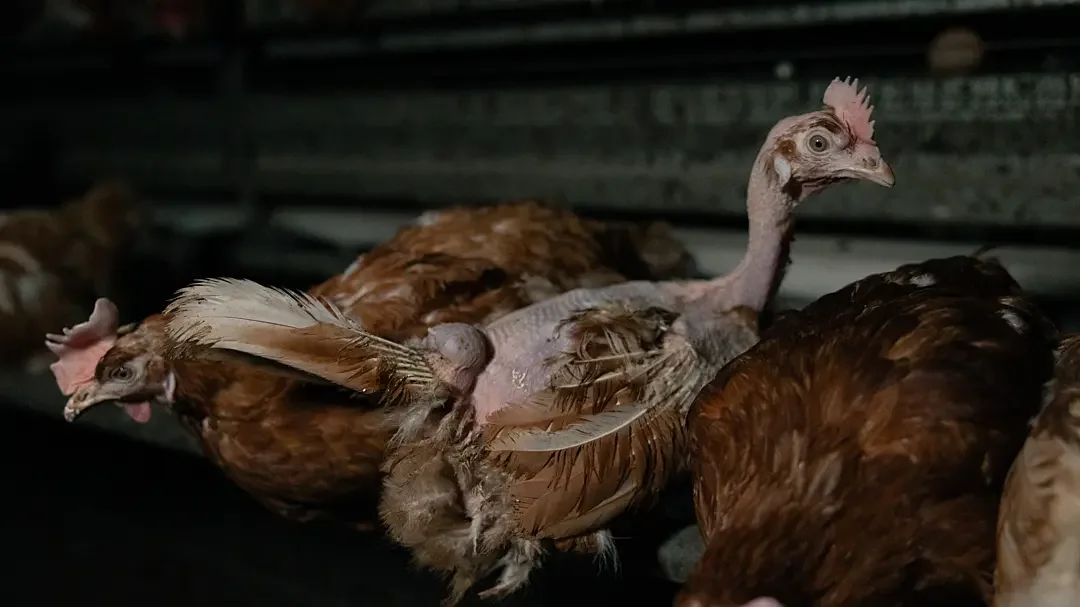
This level of output is anything but natural. It puts enormous strain on the hen’s body and leads to serious health issues, including osteoporosis, skeletal depletion, and reproductive tract problems. After just 72 to 100 weeks of this exhausting cycle, the hens are considered no longer profitable and are sent to slaughter.
The truth is, hens do not lay eggs every day because it is natural. They do it because they have been genetically manipulated to meet the demands of a system that sees them as egg-producing machines.
What we call “natural” is actually the result of extreme intervention in their biology.
👉 Learn more.
7. “Hens need sunlight to lay eggs—egg farms are bright places.”
The industry loves to show sun‑drenched barns, giving the impression that hens bask in natural daylight. In reality, sunlight is not required. What matters is control.
Hens are photoperiod‑sensitive birds; their bodies start an egg‑laying cycle when they receive roughly 14 to 16 hours of light. Farmers replicate spring and summer by flipping on low‑watt bulbs and setting them on a timer. No sun needed—just electricity.
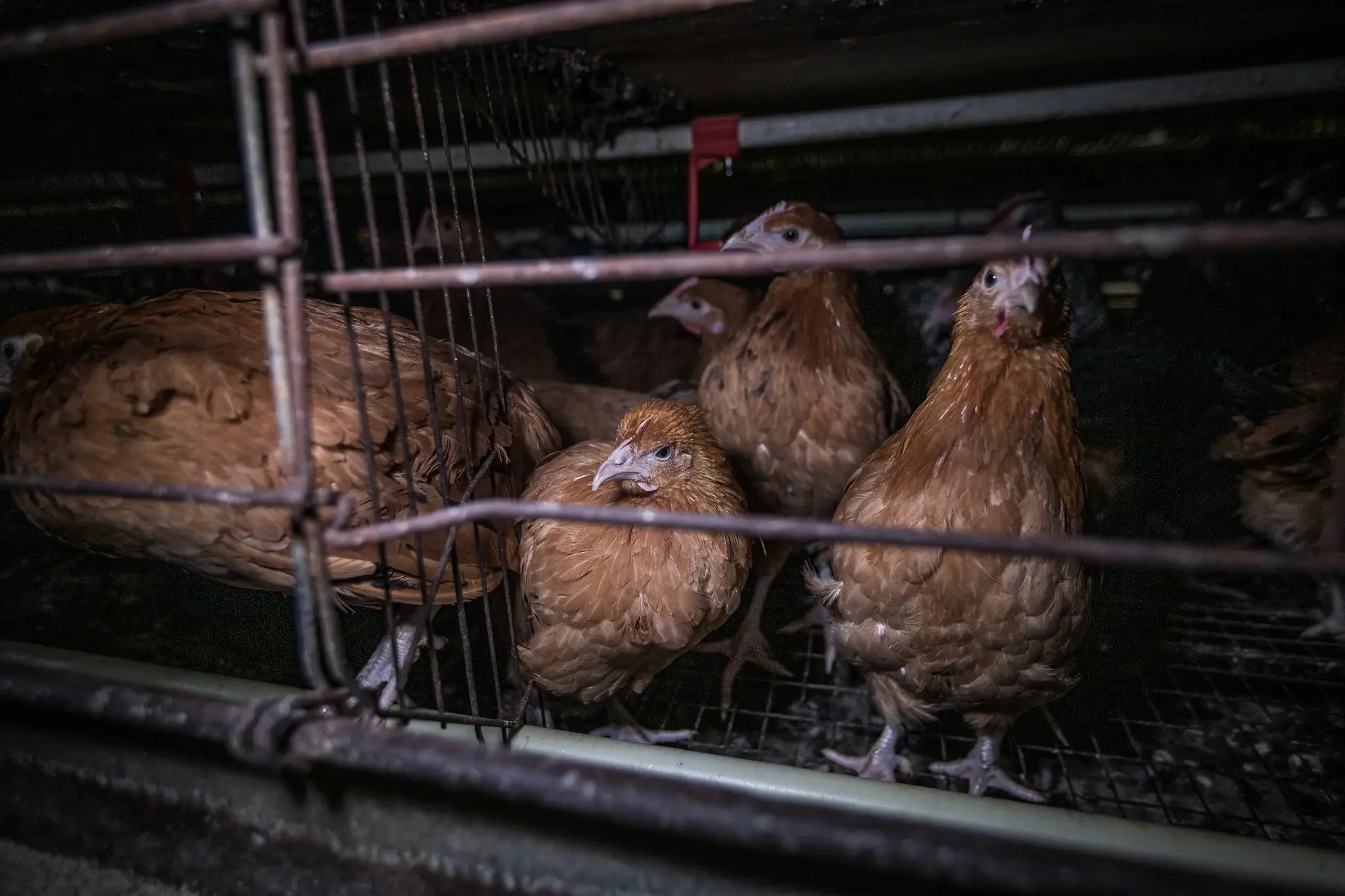
Most barns run at 10 to 20 lux, about as bright as a dim hallway closet. A sunny day outside reaches over 80 000 lux. In these gloomy sheds, dawn and dusk are faked, and red or orange lights are sometimes added to stimulate reproductive hormones. The goal is simple: more eggs, more quickly, with little regard for the toll on the hens’ bodies.
This artificial schedule keeps hens producing nonstop while masking the harsh, cramped reality inside the barn. Bright marketing photos do not match the dim truth.
8. “A dark yolk means a hen is happy and healthy.”
Egg cartons often feature deep, vibrant yolks to suggest freshness, better taste, and healthier hens. This appealing imagery, however, is purely marketing.
Egg yolk color mainly depends on diet—specifically, carotenoids from plants like corn, carrots, or alfalfa. In nature, these pigments produce a range of yolk shades from pale yellow to deep orange. But egg producers commonly add natural feed additives to achieve consistently dark yolks for consumer appeal, regardless of actual hen wellbeing or egg quality.
In fact, yolk color does not reliably indicate better nutrition, superior taste, or humane living conditions. Even hens confined in cages can produce eggs with deep-colored yolks if their diets include certain pigments.
Ultimately, yolk color is a manipulated illusion, created by producers to mask cruel practices and boost consumer appeal—not evidence of happy or healthy hens.
The egg industry carefully shapes the way we see hens, eggs, and farming practices. From controlling light exposure to force egg production, to adding pigments to feed to influence yolk color, much of what we are told is a marketing illusion.
These systems are not designed to support animal wellbeing. They are designed to maximize profit, often at the cost of the hen’s health and life.
Once we begin to question what we’ve been taught, the truth becomes hard to ignore. Hens are not machines, and eggs are not a harmless food. They are the product of a system built on control, manipulation, and suffering.
If we want a kinder world, it starts by leaving eggs off our plates.
Sources & Further Reading
Debunking the Most Common Egg Industry Myths – Part 1
How to Replace Eggs: Recipes and Resources
Ready to Go Vegan? Vegan Bootcamp
Debunking the Most Common Egg Industry Myths – Part 1
Think eggs are harmless? These 4 myths hide the brutal truth about the egg industry.
As advocates for chickens in the egg industry, we’ve heard it all. Over and over again, the same “gotcha” comments pop up beneath our posts—seemingly simple statements that attempt to justify eating eggs. But when we dig a little deeper, these claims start to unravel.
In this two-part series, we’re breaking down the most common myths we encounter. Here’s Part 1.
1. “No chickens are killed for eggs.”
This is one of the most common misconceptions we encounter—and one of the most misleading.
The idea that eggs are a harmless byproduct rests on the belief that no lives are taken in the process. But the egg industry depends on killing to function. Both hens and male chicks are routinely killed as part of standard egg production practices.
Every egg-laying hen is eventually slaughtered when her production slows—usually before she even turns two years old. Her short life is spent in confinement, her body pushed to produce egg after egg at a rate far beyond what nature ever intended. This extreme overproduction leads to serious health issues, including reproductive disorders, brittle bones, and exhaustion.
But the killing starts even earlier.
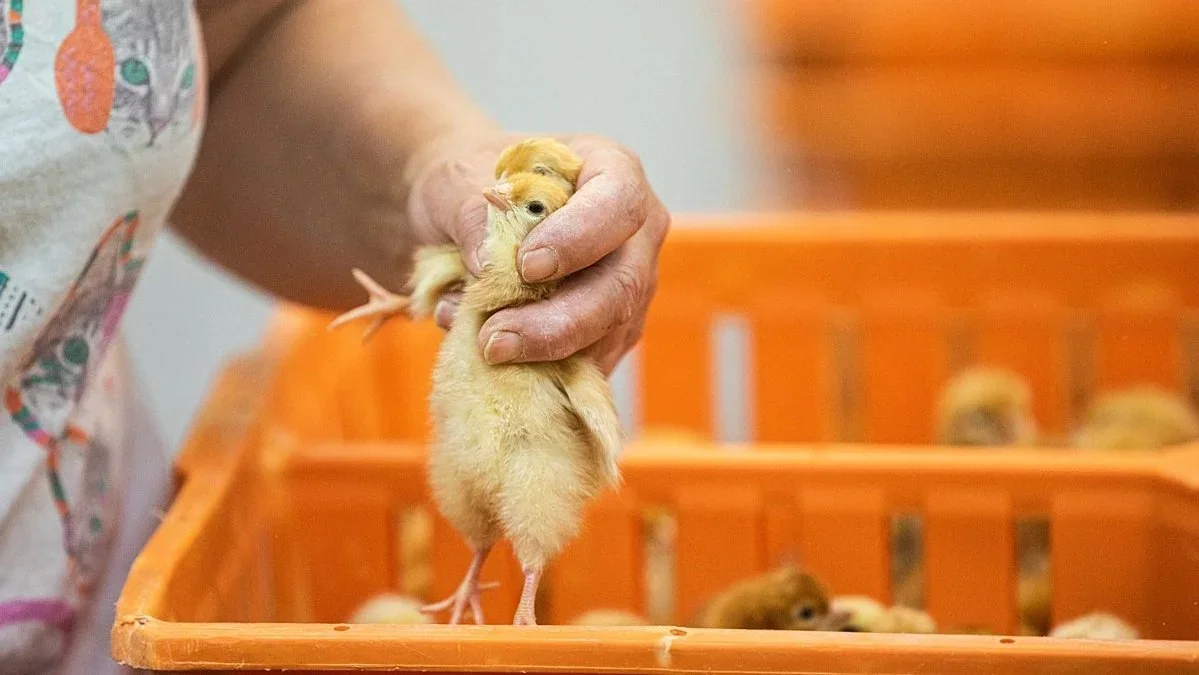
Because male chicks don’t lay eggs and aren’t profitable for meat, they’re considered useless by the industry. Just hours after hatching, these baby birds are typically killed—ground up alive, gassed, or suffocated in trash bags. Globally, this adds up to about 6 billion male chicks killed every single year. Their lives are discarded before they’ve even begun.
If every hen came from a hatchery, so did her brother—and he didn’t make it past his first day.
So yes, chickens are absolutely killed for eggs. Not just eventually. From the very beginning.
2. “Male chicks aren’t killed—they’re raised for pet food.”
This claim attempts to gloss over one of the egg industry's most brutal truths: the systematic culling of male chicks.
Because male chicks don’t lay eggs and aren’t bred to grow quickly enough for meat production, they are considered worthless to the industry. Unlike other animal-based food sectors, egg production depends on hatching fertilized eggs without knowing the chick’s sex in advance. As a result, chicks must be born first, then sorted by sex—an operation that leads to the immediate killing of males.
Within hours of hatching, male chicks are discarded—often gassed or ground alive. Their deaths are not a rare exception, but a standard industry practice carried out for the sake of efficiency and profit. Weak, injured, or deformed chicks—regardless of sex—are also culled in this process.
Some argue that these chicks are used for pet food, but even if that’s occasionally the case, it doesn’t make the practice ethically acceptable. Raising them for a few more weeks only prolongs their suffering before an inevitable, premature death. Every path leads to slaughter.
Even emerging technologies like in-ovo sexing—marketed as a compassionate alternative—do not address the suffering of the hens themselves or the parent birds used to produce fertilized eggs. The grim reality remains: male chicks are treated as disposable by-products of an industry built on reproductive control and exploitation.
👉 Learn more.
3. “Hens lay eggs anyway—it would be wasteful not to eat them.”
At first glance, this argument may seem practical. But it completely overlooks the reality of how hens come to be in egg production in the first place.
Modern egg-laying hens are not backyard wanderers casually leaving eggs behind. They are bred, purchased, and kept for one reason: to produce eggs—hundreds of them per year. This isn’t a natural occurrence; it’s the result of decades of selective breeding and manipulation. Unlike wild birds who lay just a handful of eggs to raise chicks, today’s hens have been genetically engineered to hyperovulate almost daily, far beyond what nature ever intended.
This unnatural burden takes a serious toll on their bodies. Chronic reproductive strain leads to health problems like inflammation, hunger, pain, and exhaustion. And when their production slows—typically before they even turn two—they’re slaughtered.
Using the argument “they lay them anyway” ignores that these hens are bred to suffer. Their existence has been engineered for profit, not for life.
4. “I only buy locally farmed, free-range eggs—these hens have a good life.”
This comforting belief—that buying “free-range,” “organic,” or “local” eggs means supporting happy, well-cared-for hens—is widespread, but it doesn’t hold up under scrutiny.
Egg labels vary greatly by country and often mislead consumers. In Canada and the United States, for example, “free-range” simply means the hens have some outdoor access. How much? That’s usually unspecified. In the UK and Australia, the standards are slightly more stringent, but still allow wide variation. Meanwhile, “organic” eggs might come from hens fed pesticide-free grain and granted limited outdoor time, but even these labels don’t guarantee humane or natural conditions.
What’s more, “local” farms often mirror the same industrial practices used by large-scale producers. Small scale doesn’t always mean kind. These hens are still products of the same hatcheries where male chicks are killed at birth, and the females are bred for unnatural levels of egg production. Their high output causes painful health issues like osteoporosis and reproductive tract problems, and once their egg production slows, they are slaughtered—often before they turn two.
Labels may offer the illusion of care and transparency, but they do little to alter the deeper problem: the systemic exploitation of hens for profit.
The egg industry is built on decades of carefully maintained myths—claims that eggs are harmless, natural, or humane. But the facts tell a different story. From the systematic killing of male chicks and the relentless exploitation of hens’ reproductive systems to the misleading comfort of free-range labels, we’re often sold a fantasy far removed from reality.
And these are just the beginning.
In Part 2 of our myth-busting series, we’ll take a closer look at some of the most persistent misconceptions around hen biology and egg marketing—like why hens don’t naturally lay an egg a day, how artificial lighting is used to manipulate their cycles, and whether a dark orange yolk really means anything about the life the hen lived.
If you’ve ever been told eggs are the most natural food there is, stay tuned. The truth is far more engineered.
Sources & Further Reading
Debunking the Most Common Egg Industry Myths – Part 2 (coming June 2025)
How to Replace Eggs: Recipes and Resources
Ready to Go Vegan? Vegan Bootcamp
The Cage-Free Illusion: Part 2
Are cage-free campaigns truly paving the way toward a more compassionate world, or are they inadvertently perpetuating the status quo? While aimed at igniting public consciousness, they often reveal a disconnect between advocacy and action, as consumer sentiment lags behind.
Image: Lukas Vincour via WeAnimals Media
In Part 1 of our exploration of the ‘Cage-free Illusion’, we uncovered the grim realities of free-run egg farming, shining a light on the hardships faced by hens. Now, in Part 2, our focus shifts to the cage-free campaigns advocating for this method. Do these campaigns truly pave the way toward a more compassionate world, or do they inadvertently perpetuate the status quo, or worse, make egg-eaters feel good about the food on their plates?
To recap some key points from the previous post, we learned that the difference between cage-free and cage systems lies primarily in the former’s absence of closed-wire enclosures. The transition to cage-free egg farming gained momentum in the late 20th century, spreading across Europe, North America, and Oceania. However, our research revealed the enduring suffering of hens in these supposedly improved environments, with overcrowded conditions and laying illnesses persisting, or even worsening, despite the absence of cages.
Now, let's delve into the motivations driving cage-free campaigns and explore their potential shortcomings.
Cage-Free: The Advocacy Movement
In their pursuit of a more compassionate world for animals, organizations like the Humane Society of the United States, Mercy for Animals, Animal Equality, Compassion in World Farming, The Humane League, and World Animal Protection, among others, have championed cage-free campaigns to improve the welfare of hens in egg production. Motivated by their desire to alleviate animal suffering, these organizations have invested significant time and resources into advocating for the transition to cage-free housing systems, believing it to be a step in the right direction.
These organizations employ a multi-faceted strategy that includes engaging with businesses, restaurants, supermarkets, and hotels to transition to cage-free sourcing. They work tirelessly to negotiate with stakeholders, urging them to incorporate cage-free eggs into their supply chains. By partnering with influential companies and institutions, these organizations aim to drive market demand for cage-free eggs and create tangible change within the industry.
These efforts are not only aimed at promoting cage-free alternatives, but also at holding businesses accountable for the impacts on the animals. Through transparent advocacy efforts, they aim to pressure companies to prioritize animal welfare. Simultaneously, they prioritize consumer education, empowering individuals to make informed choices and advocate for animal welfare. This includes social media campaigns, educational materials, and progress reports on companies adhering to supposed ‘humane’ standards.
Despite their knowledge of the ongoing suffering hens endure in cage-free environments, these organizations continue to prioritize ending the “cage age.” The rationale behind this approach lies in the belief that incremental changes, such as transitioning to cage-free systems, can pave the way for broader systemic shifts in animal agriculture. By appealing to consumers' sense of compassion and leveraging corporate commitments to animal welfare, these organizations hope to shift societal norms gradually towards more ethical and sustainable practices.
Cage-Free: Challenges and Limitations
The pragmatic approach adopted by advocacy organizations, akin to the 'foot-in-the-door' strategy, offers a practical framework for engaging individuals and fostering societal change. This approach recognizes the value of incremental steps in promoting animal rights and veganism, acknowledging that gradual shifts in behavior can lead to broader transformations. However, acknowledging the complexities inherent to this approach is essential.
Critics and academic researchers highlight the potential drawbacks of relying solely on pragmatic strategies. While these approaches may effectively engage donors and quantify outcomes, they risk oversimplifying complex ethical issues and neglecting broader systemic challenges. Welfare initiatives often focus on improving conditions for animals within existing systems, without addressing the inherent problems of using animals for human purposes. For example, the practice of measuring suffering in terms of hours of pain, further oversimplifies animal welfare issues, neglecting broader ethical implications such as the deprivation of autonomy and the fundamental injustice of treating sentient beings as mere objects for human use. This narrow focus fails to address the inherent exploitation, perpetuating the acceptability of using animals as commodities and reinforcing the status quo instead of challenging it.
An important part of our mandate at Egg-Truth is to promote “egg-free” vs. “cage-free”. We choose to do this for several reasons. One of these is that there are already numerous animal welfare organizations around the world that devote a significant amount of time and donor dollars to lobby consumers, the egg industry, food companies, and government regulators to move national and international supply chains toward cage-free housing. Adding our voice to this already large chorus would be meaningless.
We also believe that the availability of egg-free alternatives and baking products has improved massively in the last 10 years! In our view, promoting such alternatives will increasingly eliminate the need for eggs, benefitting the animals in ways far beyond the mere elimination of battery cages.
Cage-Free: Insights from Consumers
Cage-free campaigns are often talked about as beacons of hope in the realm of animal advocacy. Yet the question of whether these truly resonate with consumers or spur a groundswell of support for legislative change and market demand is often left unaddressed.
Venturing across the globe, the landscape of success varies from country to country. In the UK and Australia, where the echoes of historical animal advocacy campaigns still reverberate, cage-free eggs reign supreme, with consumers actively seeking out these options buoyed by robust labeling and minimum standards. In contrast, the narrative in the USA takes a different turn, with consumer concern for hen welfare lagging behind despite a confident grasp of the prevalence of caged egg production. Studies reveal lower pro-chicken attitudes and a reluctance to associate sentience with these feathered creatures, highlighting deeper cultural divides and legislative disparities. Canada, too, grapples with a similar dichotomy, where exposure to the harsh realities of conventional confinement methods sparks a notable shift in consumer behavior towards cage-free options.
But here lies the crux of the issue: the glaring chasm between consumer sentiment and purchasing habits. Despite vocal calls for stricter production standards, many still opt for the cheaper, caged alternative. This discord reverberates throughout the supply chain, leaving retailers and producers at an impasse. Retailers are hesitant to commit to cage-free eggs without assurance of consumer demand, while producers await a long-term commitment before investing in cage-free facilities. As the tug-of-war between advocacy and economics continues, the fate of cage-free initiatives hangs in the balance, casting a shadow of uncertainty over the industry's future. But what drives farmers' reluctance and insistence on extended timelines?
Cage-Free: Perspectives from Farmers
It actually took farmers a really long time to figure out how to put the bird in the cage—and it’s going to take a while to figure out how to get them back out.* This sentiment encapsulates the challenges farmers encounter when transitioning to cage-free systems. It demands meticulous planning, substantial investment, and a re-imagination of age-old practices. Yet, at its core, this shift reflects a call for a return to pre-industrial egg production methods, while balancing the efficiency and affordability of modernization.
Unlike traditional cage systems, cage-free environments demand more labor and offer less control, presenting a significant challenge for large-scale producers aiming to meet today's market demands. The lack of consensus on cage-free standards further complicates matters, with varying criteria across states and fast food chains.
When asked to rank housing systems—cage-free, conventional, or no major difference—across categories like sustainability, animal welfare, production efficiency, food affordability, and environmental impact, producers provided revealing insights. The findings, outlined in the graph below, paint a nuanced picture. Primarily, ‘United Egg Producers’ members regard conventional housing as superior in terms of food affordability, production efficiency, and environmental impact. A significant majority (62%) perceive conventional systems as optimal for sustainability, while around one-fourth view cage-free and conventional as equal. Notably, although 45% of respondents consider cage-free housing better for animal welfare, the majority (55%) do not share this view.
“Views on which production method ranks best across different characteristics”
Source: “THE TRANSITION TO CAGE-FREE EGGS” via United Egg Producers
Despite acknowledging the driving force of consumer demand, farmers remain skeptical about meeting all pledges within the designated deadlines. This skepticism, coupled with the challenges inherent in transitioning to cage-free systems, could potentially slow down the overall transition process, prolonging the suffering of hens confined in conventional systems.
Beyond Cage-Free: Empowering Change
As we reflect on the journey through the complexities of the egg industry and the ongoing transition to cage-free systems, it's vital to recognize the efforts and progress made by organizations and their campaigns. If anything, one thing we've learned from the cage-free movement is the immense effort and complexities involved in making these changes. However, it's equally important to acknowledge the shortcomings and challenges that persist. To truly advance animal rights, we must recognize that welfare improvements, while important, are just one part of the equation. Advocacy efforts must also challenge the fundamental use of animals for human purposes and promote a paradigm shift towards veganism and animal liberation. This requires a deeper understanding of the ethical implications of our choices and a commitment to dismantling oppressive systems rather than simply mitigating their effects.
© Animal Justice Project
But amidst the uncertainties, let's not lose sight of the impact we can have as individuals. Every decision to opt for plant-based egg alternatives is a powerful statement supporting compassion and ethical living. For those still struggling to make the transition, resources like the Vegan Bootcamp offer guidance and support.
Let's draw inspiration from the strides already taken and the countless individuals advocating for change. It's essential to keep the welfare of the hens at the forefront of our minds, serving as a constant reminder of why our efforts are crucial. So, let's continue to share our stories, support one another on our journeys, and never lose sight of the impact we can have.
The Cage-Free Illusion: Part 1
Unravel the paradox of the cage-free movement: while hailed as progress, it inadvertently perpetuates systemic issues within the egg industry. Delve into the hidden realities shaping our food system and challenge the status quo with us.
Source: WeAnimals Media
Imagine it is the year 2124!
And, in a world liberated from the shadows of industrial animal agriculture, a young scholar traverses history, probing the slow evolution toward a vegan world. Amidst the enigma of humanity's transition, the scholar encounters the perplexing saga of the cage-free campaign—a purportedly noble initiative tainted by misguided optimism. Activists, employing the foot-in-the-door strategy, aimed for incremental shifts toward cruelty-free futures. Yet, the scholar's exploration unveils a stark reality: the industry cunningly exploited this approach, weaponizing it to evade accountability and perpetuate their cruel practices unimpeded.
As we transition from the idyllic realms of our vegan future back to the present, we confront the harsh realities of today's egg industry. Cage-free systems, heralded as a step towards humane egg production, present themselves as an alternative to traditional battery cages. However, beneath the veneer of progress lies a landscape of exploitation and compromise.
Cage-free: A Definition
Cage-free housing systems in egg production aim to create open environments within barns or buildings, allowing hens to engage in natural behaviors such as perching, nesting, and dust bathing. Unlike conventional cage systems, which confine hens to small wire enclosures, cage-free setups eliminate individual cages to provide freedom of movement.
The primary difference between cage-free and cage systems is the absence of closed wire enclosures. In cage-free systems, hens have the liberty to move around and interact with their environment, promoting their physical and psychological well-being. Unlike free-range and pasture systems that offer outdoor access, cage-free environments typically house hens indoors within spacious barns or buildings, offering protection from predators and adverse weather conditions.
Cage-free: The History
The transition to cage-free egg farms began to gain momentum in the late 20th century, with early initiatives taking root in countries such as Switzerland and the Netherlands during the 1980s and 1990s. These pioneering efforts laid the groundwork for subsequent developments in cage-free egg production, serving as test cases for alternative housing systems aimed at improving the welfare of laying hens. As consumer awareness of animal welfare issues grew and regulatory scrutiny intensified, other countries soon followed suit, with significant advancements in cage-free farming observed across Europe, North America, and Oceania by the early 21st century.
Throughout the 2000s and 2010s, a wave of legislative reforms and corporate commitments further accelerated the transition to cage-free egg production worldwide. Countries such as Germany, Sweden, and the United Kingdom implemented regulations mandating the phase-out of conventional battery cages in favor of enriched and cage-free systems, signaling a paradigm shift in the global egg industry. Similarly, major retailers and food corporations began to adopt cage-free egg sourcing policies in response to consumer demand for more ethically produced eggs, driving further investment and innovation in cage-free infrastructure.
By the 2020s, cage-free egg farms had become more prevalent across the globe, with an increasing share of the supply chains in countries such as the United States, Canada, the European Union, Australia, and New Zealand. Despite initial resistance from the egg industry, the momentum towards cage-free production continued to grow, fueled by a combination of consumer activism, regulatory mandates, and corporate commitments to animal welfare.
As we peer into the landscape of cage-free egg production across different regions, it's essential to understand the nuanced approaches and regulatory frameworks shaping these systems. By examining the specifics of cage-free farming in the United States, Canada, the United Kingdom, the European Union, and Australia, we can gain deeper insights into the diverse practices and trends driving the evolution of egg production worldwide.
Cage-free: In Comparison
In the USA, Canada, the UK, the EU, and Australia, cage-free systems typically offer more space per hen compared to conventional cage systems, with average space allocations ranging from 550 to 750 square centimeters per hen. Flock sizes in cage-free systems vary widely, often accommodating tens of thousands of hens in large barns or buildings. The size of cage-free barns also varies, with some facilities spanning over 100 meters in length and 25 meters in width to accommodate the large number of hens housed within them. The transition to cage-free housing varies among producers and is influenced by factors such as market demand, regulatory requirements, and industry initiatives.
| Countries | USA | Canada | UK | EU | Australia |
|---|---|---|---|---|---|
| Number of Hens in Barn (Range, Average) | 1,000 - 100,000 (average varies) | 1,000 - 80,000 (average varies) | 1,000 - 80,000 (average varies) | 1,000 - 100,000 (average varies) | 1,000 - 80,000 (average varies) |
| Space per Hen | 1.0 - 1.5 sqm (10.8 - 16.1 sqft) |
1.0 - 1.5 sqm (10.8 - 16.1 sqft) |
0.75 sqm ( 8.1 sqft) |
0.55 sqm (5.9 sqft) |
| Depopulation Age | 80 - 100 weeks | 70 - 100 weeks | 72 weeks | 72 weeks | 80 weeks |
| Number of Eggs per Hen | 250 - 320 eggs/year | 250 - 320 eggs/year | 250 - 320 eggs/year | 250 - 320 eggs/year | 250 - 320 eggs/year |
| Cage-Free vs Caged | 39% cage-free, 61% caged |
17% cage-free, 83% caged |
79% cage-free, 21% caged |
55% cage-free, 45% caged |
57% cage-free, 43% caged |
| Cage-free by | 2025 | 2036 | 2027 | 2027 | 2036 |
Cage-free: The Hens
Hens, like many creatures, have natural behaviors and preferences that contribute to their well-being. They enjoy basking in the sunlight, scratching the earth for food, and seeking out safe, secluded spots for nesting. In small flock sizes, they establish pecking orders and maintain social structures.
However, the reality for hens in cage-free barns starkly contrasts with their natural inclinations. Instead of sun-drenched pastures and earthy substrates, they find themselves confined within crowded, windowless buildings. Opportunities for natural behaviors like dust bathing and foraging are limited, with thousands of hens competing for space and resources. Nesting areas may lack privacy, disrupting the hens' instinctual need for seclusion during egg-laying.
Despite claims that cage-free systems offer a more humane alternative to traditional battery cages, a closer examination reveals significant shortcomings.
By comparing key factors such as hatchery practices, flock sizes, laying illnesses, and early slaughter rates, we can gain a comprehensive understanding of the true impact of egg production on animal well-being.
| Battery Cages | Enriched Cages | Cage-Free | Free-Range | Pasture Raised | |
|---|---|---|---|---|---|
| Hatchery Sourced (Male Chick Culling) | Yes | Yes | Yes | Yes | Yes |
| Bred for Overproduction | Yes | Yes | Yes | Yes | Yes |
| Laying Illnesses | Yes | Yes | Yes | Yes | Yes |
| Early Slaughter | Yes | Yes | Yes | Yes | Yes |
Hatchery Sourced (Male Chicks Culling): In the egg industry, hatcheries are responsible for supplying laying hens. However, the process of hatchery sourcing involves separating male and female chicks shortly after hatching. Male chicks, deemed economically nonviable for egg production, are typically culled, often through methods like maceration or gassing. While cage-free systems do not directly address the issue of hatchery sourcing, they perpetuate the demand for hatchery-supplied hens, contributing to the inherent cruelty of chick culling practices.
Bred for Overproduction: Selective breeding within the egg industry aims to maximize egg production efficiency, typically at the expense of hen well-being. Hens in cage-free systems are bred for traits such as high egg production rates and feed efficiency, leading to overproduction and strain on their bodies. While cage-free environments may offer slightly more space and freedom of movement compared to traditional cages, the underlying issue of over breeding persists, exacerbating health problems and reducing overall welfare.
Laying Illnesses: Cage-free housing systems, despite providing hens with minimally more space and some environmental enrichment, do not eliminate the risk of laying-related health issues. High egg production rates can lead to reproductive disorders such as egg binding and prolapse, as well as metabolic disorders like osteoporosis. Additionally, the crowded conditions in cage-free barns may increase the spread of diseases and parasites among hens, further compromising their well-being.
Early Slaughter: While cage-free systems may offer a slightly longer lifespan for hens compared to battery cages, the ultimate fate of laying hens remains the same—early slaughter. Hens in cage-free environments are typically slaughtered after one to two years of egg production, far short of their natural lifespan. Despite claims of improved welfare, cage-free systems perpetuate the cycle of premature slaughter inherent in the egg industry, underscoring the ethical concerns associated with egg production as a whole.
As we conclude our exploration of cage-free egg production, it's evident that the industry's narrative of ethical progress is far from straightforward. Despite the promise of marginal improvements in hen welfare, cage-free systems fail to address fundamental issues ingrained in egg production. From unresolved hatchery practices to premature slaughter, the realities of cage-free farming underscore the pressing need for a comprehensive reassessment of our treatment of animals within our food systems.
Before wrapping up, it's essential to highlight the shortcomings of corporate commitments and the accountability of animal rights organizations. Despite promises of reform, many corporations have failed to deliver on their pledges, while some animal rights groups have struggled to hold the egg industry accountable in certain regions for falling short on commitments.
Moreover, the proliferation of cage-free campaigns championed by welfare organizations worldwide has ignited significant debate within vegan and animal rights circles. Join us as we examine the motivations behind these campaigns, their impact on consumer perceptions, and whether they genuinely serve the interests of animal welfare or inadvertently perpetuate the status quo of animal exploitation in Part 2.
Juliane Priesemeister, Executive Director
Juliane worked almost a decade for an international corporation as an information designer. Generating compelling visual stories was her daily deed, but as much as she enjoyed the creative work the big corporation environment left her hungry for substance and impact.
When she started her yoga journey a few years ago the “do no harm” philosophy pushed her to align work with her personal ethics and values. Today she uses her omnibus skill set, including marketing communications, economics, and graphic design, to reveal the truth about the egg industry to consumers.
Our Position on Cage Free Initiatives
Single-issue campaigns, such as cage-free initiatives, have long been a focus of many animal rights organizations like HSUS.
Photo credit: HSUS
The Humane Society of the United States recently announced what they claim is a huge victory for caged hens in the state of Washington.
Single-issue campaigns, such as cage-free initiatives, have long been a focus of many animal rights organizations like HSUS. There is no doubt living on litter (assuming it is dry and properly cycled) vs. a wire floor for 18 months is less cruel. However, some “free-range” environments still use metal or wire flooring to allow urine and faeces to pass through into the manure pits below (see image below). Nonetheless, caged environments generally tend to provide hens the living space of about 8.5” x 11”. Cage-free environments could potentially give a hen about the equivalent of 12” x 12”.
The method of housing depicted above is considered by many as “free-range”.
However, what is the data showing us as to the effectiveness of these campaigns and are they really a victory for hens forced to endure endless egg laying?
Flock sizes and egg consumption in the U.K., Canada and the United States in 2017 and 2018 are at their highest levels in history and will continue to grow due to demand. As the general public are largely ignorant of standard practices in the egg industry, cage-free initiatives wrongly focus public attention on only one of the many cruel aspects of egg production - the laying phase. Given the general public already does not see the same moral imperative on the issue of egg laying hens with, say, animals used for meat, cage-free initiatives reinforce this false notion and helps to remove any ethical concerns the public may have once had about eggs. And if you doubt this, just read some of the comments on HSUS’s Facebook page as it relates to this “victory” (see below).
And the reality is, for cage-free farms to remain economically competitive in the early days of transition, they will have to increase their stocking densities and/or increase the number of hens per barn. And these hens will still be subject to many of the same illnesses and disease that afflict caged hens. And possibly a few more they wouldn’t have had in a caged environment.
The argument that "cage-free" will increase the price of eggs and thus drive down consumption is not necessarily supported by the data. Once large food retailers and restaurants like McDonald's finally convert their massive, global supply chains to cage-free, the price gap between cage-free and caged eggs will ultimately narrow at the hand of market pressures until there is virtually little to no difference once adjusted for inflation.
Reducetarianism and flexitarianism are also contributing to the increase in egg consumption as consumers seek out protein alternatives for meat. While plant-based proteins are part of those alternative choices, so too are eggs. Single-issue campaigns have not been effective thus far for hens forced to lay eggs. Had they been then we would see egg consumption trending lower, not at an all-time high with projected demand going down, not up. And given that egg production, qualitatively and quantitatively, is the most cruel form of animal agriculture on the planet, this is not good news in terms of reducing overall animal suffering. If egg consumption is at historic highs and will continue to go up, so too will maceration, debeaking, vaccinations, transport and slaughter.
Follow Your Heart’s “VeganEgg”.
We believe the animal rights movement has reached a tipping point. And with the myriad of plant-based alternatives and compassionate choices available, the time has come for a much bigger focus on the care tradition and advocating for leaving all animal foods, including eggs, off our plates. Unfortunately, large animal rights organizations like HSUS and others have not evolved their strategies.
Cage-free legislation is not a victory for animals. It is an anthropocentric justification to make us feel better that we are achieving a measure of success when all the metrics point in the other direction.
Note: this post was updated on May 22 to include a photo of free-range hens on a perforated steel flooring.
Nigel Osborne is the Executive Dir. of Egg-Truth. Nigel has years of experience related to animal rights and on-line advocacy. Nigel's extensive background in the publishing, outdoor advertising, printing and web design industries over the last 25 years provides him with a strong, creative acumen and business management experience. Through Egg-Truth.com and it's social media channels, Nigel seeks to increase awareness among the public about global egg production and expose the conditions for the billions of hens condemned to laying every year.