Are Cage-Free or Backyard Eggs Really Ethical?
Discover why every egg—organic, free-range, or backyard—causes suffering, and what you can do instead.
What if every egg—even the ones labeled cage-free, organic, free-range, or collected from a neighbor’s backyard—carried hidden suffering? For decades, the egg industry has used comforting labels to reassure us we can eat eggs without guilt. But the reality is unavoidable: there is no humane or ethical way to consume eggs.
Are Cage-Free or Free-Range Eggs Humane?
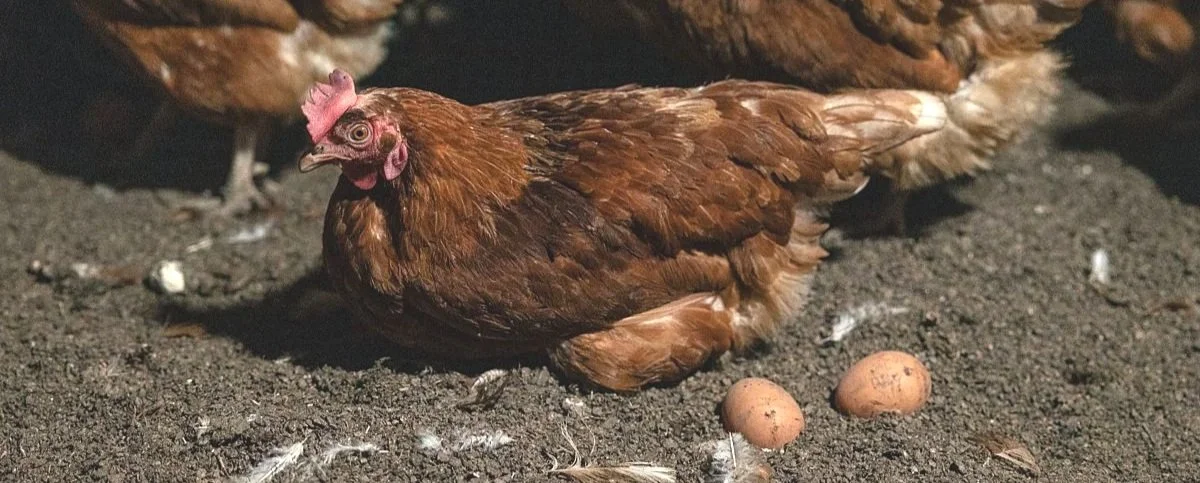
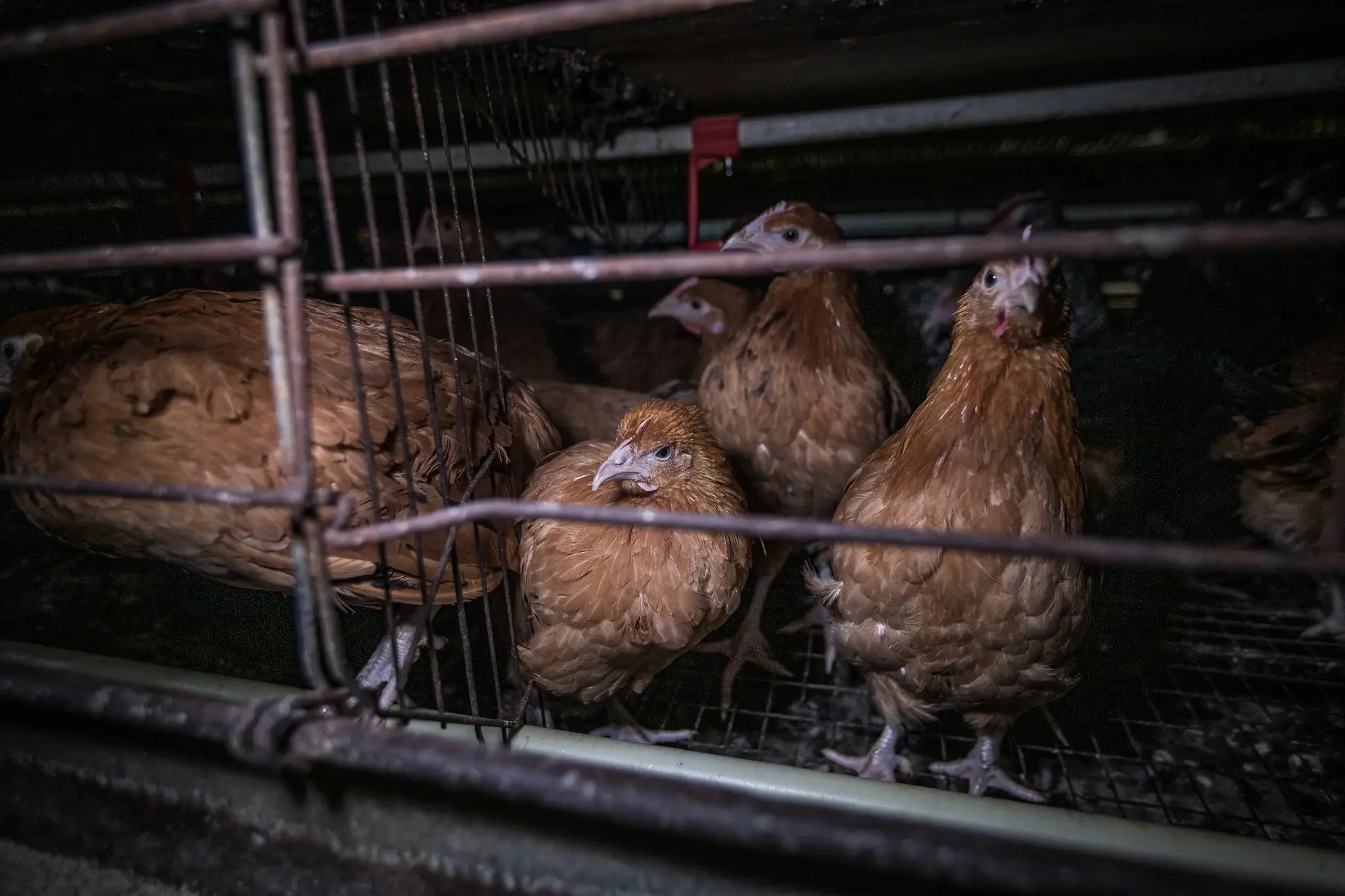
Cage-free and free-range labels focus on appearances rather than ethics. A hen might not live in a tiny cage, but her body is still being used and controlled. Whether she lays inside a wire enclosure or on open grass, the outcome is the same: when she stops producing enough eggs, she is killed. The problem isn’t just the housing—it’s the system itself.
Why Were Chickens Bred This Way?
Egg consumption is only possible because chickens have been selectively bred to serve human demand. Modern hens lay about 300 eggs per year, compared to just 10–15 annually from their wild ancestors. This unnatural overproduction pushes their reproductive systems into constant overdrive, placing enormous strain on their bodies.
What Happens to Hens’ Bodies?
Through selective breeding, hens have been forced into chronic hyper-ovulation, meaning their bodies are trapped in a cycle of laying and can no longer stop producing eggs. The results are painful and often deadly. Hens suffer from:
Egg yolk peritonitis
Reproductive cancers
Osteoporosis and brittle bones
Uterine prolapse
These are not rare issues, but predictable outcomes of forcing a body to overproduce. Every egg causes invisible damage, whether or not the label says “cage-free.”
What About Roosters?
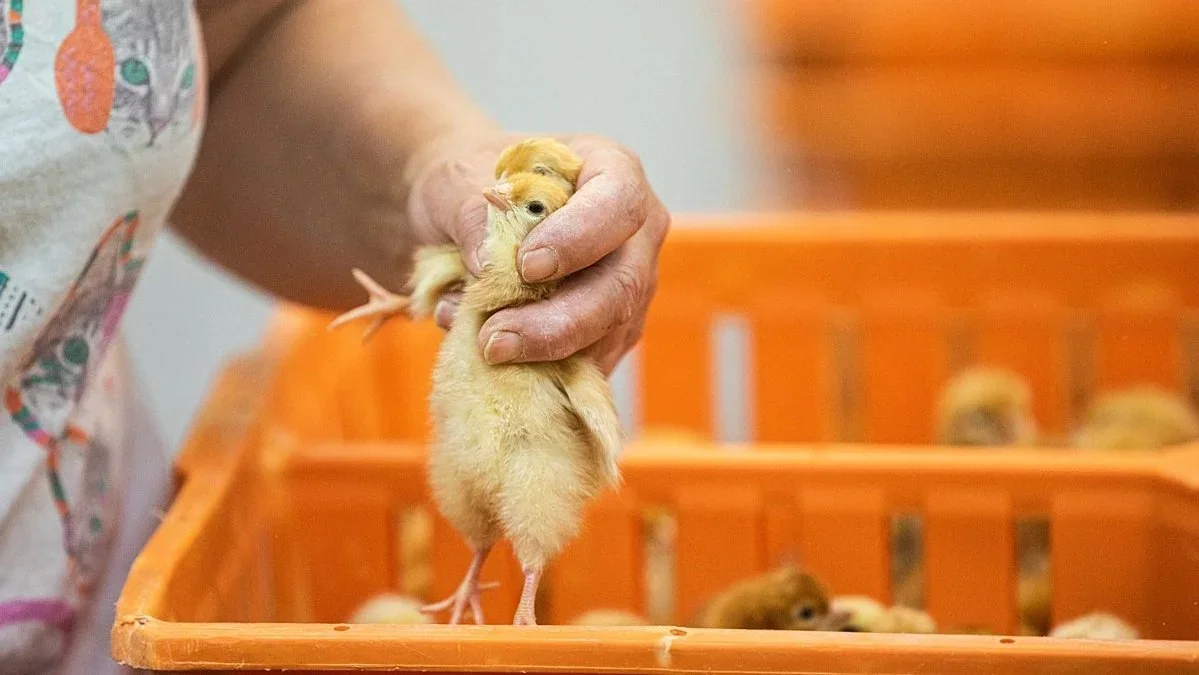
For every hen who lays eggs, there is almost always a brother who never survives. Male chicks are considered useless to the egg industry because they cannot lay. As a result, billions are killed every year, often within hours of hatching. Roosters not only face mass killing as chicks, but those who survive also suffer from the same distorted breeding that damages hens. Overloaded sex hormones take a toll on their bodies, leaving them vulnerable to illness and shortening their lives.
Are Backyard Eggs Ethical?
Many people argue that backyard eggs are different. But even small flocks trace back to the same breeding systems. Keeping or consuming those eggs reinforces the idea that hens exist for our use. As long as eggs remain a normal part of diets, chickens will continue to be bred, exploited, and discarded.
What Can We Do Instead?
If you live with hens, the most compassionate approach is to protect their health by reducing or preventing egg-laying. When eggs are laid, they should be fed back to the hens to restore lost nutrients. Any extras can be composted or returned to the earth and not placed back into human consumption.
Beyond your own hens, the best way to help is to:
Support farmed animal sanctuaries
Choose vegan egg alternatives
Share the truth about the egg industry with others
The Truth: There Is No Ethical Egg
Labels cannot cover up the reality. Cage-free, free-range, organic, or backyard. Every system still rests on the exploitation of hens and the destruction of roosters. Every egg comes at the cost of a life cut short.
The most ethical choice is to stop consuming eggs altogether. By rejecting them, we break the cycle of suffering and create a future where hens are valued for who they are, not what they produce.
Please leave eggs off your plate. Choose compassion instead.
Further Reading and Resources
How to Ditch Eggs: Guide to Egg-free Living
How to Replace Eggs: Recipes and Resources
Ready to Go Vegan? Vegan Bootcamp
Why Did My Hen Stop Laying Eggs?
Modern backyard hens stop laying not just due to age or environment, but because decades of selective breeding push their bodies far beyond their natural limits, causing pain and health issues.
Summary:
Hens naturally stop laying due to age (production peaks in first 2–3 years), seasonal changes (need 14+ hours of daylight), stress from environmental changes, molting, or health issues. However, these natural pauses reveal a deeper concern: modern hens are bred to produce 250–300 eggs annually, versus their wild ancestors' 10–20 eggs per year. This extreme overproduction causes severe health problems including bone fractures (affecting up to 85% of laying hens), reproductive tract disorders like egg binding and ovarian cancer, liver problems, and chronic exhaustion. Understanding why hens stop laying naturally helps us question whether we should expect constant production at all, given the documented physical toll on their bodies.
What's Really Happening When Hens Stop Laying
You noticed fewer eggs in the nest box and came looking for solutions. Maybe you're wondering about lighting, supplements, or feeding schedules. But before diving into ways to restart production, it's worth understanding what constant egg-laying actually does to a hen's body.
Wild red junglefowl—the ancestors of all domestic chickens—naturally lay just 10–20 eggs per year, enough to raise one or two broods and ensure their species' survival. Today's backyard hens have been selectively bred to produce 250–300 eggs annually, a biological impossibility that nature never intended.
This dramatic difference isn't just impressive, but devastating to their health.
The Natural Reasons Hens Stop Laying
Several factors naturally influence egg production, and understanding these can help you see your hen's behavior differently:
Age and Life Cycle: Hens typically peak in their first two years, then gradually decline. By age three or four, many significantly reduce laying. This isn't a malfunction, but a natural slowdown their bodies desperately need.
Seasonal Changes: Hens require approximately 14 hours of daylight to maintain steady production. As days shorten in fall and winter, their bodies naturally pause egg-laying to conserve energy for survival.
Stress and Environment: Predator scares, flock changes, loud noises, or even moving the coop can halt laying. This stress response protects hens by redirecting energy from reproduction to immediate survival needs.
Molting and Brooding: When hens shed and regrow feathers or enter brooding behavior, they stop laying completely. These natural processes can last weeks or months—and that's exactly as it should be.
Health and Nutrition: Illness, parasites, or nutritional deficiencies affect laying, but these issues often stem from the enormous metabolic demands of constant egg production.
The Hidden Health Crisis in Modern Hens
Here's what the poultry industry doesn't advertise: hyper-productive laying causes severe, often painful health problems that affect even the happiest backyard hens.
Bone Fractures and Osteoporosis: Scientific studies reveal that up to 85% of laying hens suffer broken bones due to calcium depletion. Their bodies prioritize eggshell formation over bone strength, leading to fractures that can occur from simple movements like flapping wings or being picked up.
Reproductive Tract Disorders: The unnatural rate of egg formation creates numerous serious conditions:
Egg binding: Eggs become stuck in the oviduct, causing excruciating pain and often death without intervention*
Internal laying: Eggs form inside the body cavity instead of the reproductive tract, leading to infection and internal injuries*
Oviduct prolapse: The reproductive tract can actually turn inside out from the strain**
Reproductive cancers: Chronic ovulation dramatically increases rates of ovarian and oviduct tumors***
Liver Problems: The metabolic demands of forming an egg every 24–26 hours can cause liver rupture and fatty liver syndrome.****
Chronic Exhaustion: Imagine your body producing something the size of a chicken egg every single day. The energy requirements are enormous, leaving hens perpetually depleted.*
These aren't rare complications—they're predictable consequences of breeding birds to produce far beyond their biological limits.
Even “Happy” Hens Can't Escape the System
You might think your backyard setup is different from commercial operations, and in many ways, it probably is. Your hens likely have more space, better care, and genuine affection. But they can't escape the fundamental problem: their genetics.
Every laying hen, whether from a local farm store or specialty hatchery, comes from breeding programs designed to maximize egg production.
The male chicks from these breeding lines are killed shortly after hatching because they don't lay eggs. This happens even for birds destined for the most caring backyard coops.
When your hens' productivity declines, the industry expectation is disposal. Commercial operations routinely cull hens at 18–24 months when their laying peaks pass, regardless of their overall health or remaining lifespan.
Rethinking What We Ask of Our Hens
Instead of wondering why your hen stopped laying, consider these questions:
Why do we expect a bird to produce an egg nearly every day of her adult life?
Would we demand this level of biological output from any other animal we claimed to care about?
Is a hen's value really measured only in the eggs she produces?
What if we saw a decrease in laying not as a problem to solve, but as a natural need for rest?
The modern relationship with laying hens reflects a fundamental disconnect from natural biology. We've normalized an extreme level of exploitation while telling ourselves it's different because we provide good care.
A Different Way Forward
True care for hens means questioning why we demand so many eggs in the first place. It means valuing hens for their complex social behaviors, their individual personalities, and their capacity for contentment and not their reproductive output.
If you genuinely care about your hen's wellbeing, the kindest thing you can do is let her rest when her body signals it needs to. Don't add artificial lighting to extend her laying season. Don't supplement her diet to force more production. Let her experience the natural rhythms her wild ancestors knew.
And perhaps most importantly, consider whether the eggs are worth the cost to her body at all.
The Most Compassionate Choice
Every egg represents not just a potential meal, but a biological demand we've placed on a hen's body. One that causes measurable harm throughout her life. The most radical act of care isn't providing better housing or organic feed, though these matter. It's questioning whether we need the eggs at all.
Your hen's worth isn't measured in cartons. It's found in the dust bath she takes in warm dirt, the way she communicates with her flock, her cautious curiosity about new things, and her right to grow old without constant demands on her reproductive system.
When we stop seeing hens as egg-production units and start seeing them as individuals deserving of rest and respect, we open the door to a more honest relationship with these remarkable birds.
If you truly want to help hens, the most powerful thing you can do is stop eating eggs entirely. Every egg not consumed is a demand not placed on a hen's body, and a step toward seeing these animals as more than what they produce for us.
Further Reading and Resources
How to Ditch Eggs: Guide to Egg-free Living
How to Replace Eggs: Recipes and Resources
Ready to Go Vegan? Vegan Bootcamp
Debunking the Most Common Egg Industry Myths – Part 2
In Part 2 of our myth-busting series, we uncover how the egg industry manipulates hens’ biology, environments, and even marketing to hide the suffering behind every egg.
Welcome to Part 2 of our myth-busting series on the egg industry.
In Part 1, we tackled common misconceptions about hens and eggs. Now we’re exploring myths about hen biology, manipulated living conditions, and misleading marketing claims, such as “hens naturally lay eggs daily,” or “dark yolks indicate better welfare.”
If you've ever wondered how “natural” eggs really are, keep reading.
5. “Only happy hens lay eggs.”
This common belief sounds comforting, but it’s misleading.
Laying eggs is a biological function, not a reliable indicator of wellbeing. A hen may continue to lay even when her body is under immense stress. This is because hens have been bred to be highly productive, and their physiology allows them to keep laying despite poor conditions.
In commercial farms, hens face constant stress—from overcrowded barns, rough handling, and noise to sudden changes in temperature, light, or feed. These stressors can cause hormonal spikes or chronic health issues like weakened bones and suppressed immune function. Yet many hens keep laying through it all due to a process called allostasis: their bodies adapt to stress to maintain egg production—even when it takes a toll.
Egg output doesn’t mean a hen is thriving. In fact, hens in less stressful backyard environments might lay fewer eggs but live much longer and healthier lives. Meanwhile, commercial hens might keep laying while silently suffering from parasites, poor nutrition, or reproductive exhaustion.
The bottom line: consistent egg laying is not a sign of happiness or good health—it’s often a sign of survival in a system that prioritizes output over wellbeing.
6. “Hens lay an egg every day—it’s the most natural food to eat”
The egg industry likes to suggest that daily egg-laying is simply what hens do. It sounds natural, even effortless. But this image is far from the truth.
Today’s hens are the result of decades of intense selective breeding. While their wild ancestors laid around 12 eggs per year, modern hens have been engineered to produce between 250 and 330 eggs annually. In some cases, industry breeding targets push for as many as 500 eggs per hen in a single laying cycle.
This level of output is anything but natural. It puts enormous strain on the hen’s body and leads to serious health issues, including osteoporosis, skeletal depletion, and reproductive tract problems. After just 72 to 100 weeks of this exhausting cycle, the hens are considered no longer profitable and are sent to slaughter.
The truth is, hens do not lay eggs every day because it is natural. They do it because they have been genetically manipulated to meet the demands of a system that sees them as egg-producing machines.
What we call “natural” is actually the result of extreme intervention in their biology.
👉 Learn more.
7. “Hens need sunlight to lay eggs—egg farms are bright places.”
The industry loves to show sun‑drenched barns, giving the impression that hens bask in natural daylight. In reality, sunlight is not required. What matters is control.
Hens are photoperiod‑sensitive birds; their bodies start an egg‑laying cycle when they receive roughly 14 to 16 hours of light. Farmers replicate spring and summer by flipping on low‑watt bulbs and setting them on a timer. No sun needed—just electricity.
Most barns run at 10 to 20 lux, about as bright as a dim hallway closet. A sunny day outside reaches over 80 000 lux. In these gloomy sheds, dawn and dusk are faked, and red or orange lights are sometimes added to stimulate reproductive hormones. The goal is simple: more eggs, more quickly, with little regard for the toll on the hens’ bodies.
This artificial schedule keeps hens producing nonstop while masking the harsh, cramped reality inside the barn. Bright marketing photos do not match the dim truth.
8. “A dark yolk means a hen is happy and healthy.”
Egg cartons often feature deep, vibrant yolks to suggest freshness, better taste, and healthier hens. This appealing imagery, however, is purely marketing.
Egg yolk color mainly depends on diet—specifically, carotenoids from plants like corn, carrots, or alfalfa. In nature, these pigments produce a range of yolk shades from pale yellow to deep orange. But egg producers commonly add natural feed additives to achieve consistently dark yolks for consumer appeal, regardless of actual hen wellbeing or egg quality.
In fact, yolk color does not reliably indicate better nutrition, superior taste, or humane living conditions. Even hens confined in cages can produce eggs with deep-colored yolks if their diets include certain pigments.
Ultimately, yolk color is a manipulated illusion, created by producers to mask cruel practices and boost consumer appeal—not evidence of happy or healthy hens.
The egg industry carefully shapes the way we see hens, eggs, and farming practices. From controlling light exposure to force egg production, to adding pigments to feed to influence yolk color, much of what we are told is a marketing illusion.
These systems are not designed to support animal wellbeing. They are designed to maximize profit, often at the cost of the hen’s health and life.
Once we begin to question what we’ve been taught, the truth becomes hard to ignore. Hens are not machines, and eggs are not a harmless food. They are the product of a system built on control, manipulation, and suffering.
If we want a kinder world, it starts by leaving eggs off our plates.
Sources & Further Reading
Debunking the Most Common Egg Industry Myths – Part 1
How to Replace Eggs: Recipes and Resources
Ready to Go Vegan? Vegan Bootcamp
Debunking the Most Common Egg Industry Myths – Part 1
Think eggs are harmless? These 4 myths hide the brutal truth about the egg industry.
As advocates for chickens in the egg industry, we’ve heard it all. Over and over again, the same “gotcha” comments pop up beneath our posts—seemingly simple statements that attempt to justify eating eggs. But when we dig a little deeper, these claims start to unravel.
In this two-part series, we’re breaking down the most common myths we encounter. Here’s Part 1.
1. “No chickens are killed for eggs.”
This is one of the most common misconceptions we encounter—and one of the most misleading.
The idea that eggs are a harmless byproduct rests on the belief that no lives are taken in the process. But the egg industry depends on killing to function. Both hens and male chicks are routinely killed as part of standard egg production practices.
Every egg-laying hen is eventually slaughtered when her production slows—usually before she even turns two years old. Her short life is spent in confinement, her body pushed to produce egg after egg at a rate far beyond what nature ever intended. This extreme overproduction leads to serious health issues, including reproductive disorders, brittle bones, and exhaustion.
But the killing starts even earlier.
Because male chicks don’t lay eggs and aren’t profitable for meat, they’re considered useless by the industry. Just hours after hatching, these baby birds are typically killed—ground up alive, gassed, or suffocated in trash bags. Globally, this adds up to about 6 billion male chicks killed every single year. Their lives are discarded before they’ve even begun.
If every hen came from a hatchery, so did her brother—and he didn’t make it past his first day.
So yes, chickens are absolutely killed for eggs. Not just eventually. From the very beginning.
2. “Male chicks aren’t killed—they’re raised for pet food.”
This claim attempts to gloss over one of the egg industry's most brutal truths: the systematic culling of male chicks.
Because male chicks don’t lay eggs and aren’t bred to grow quickly enough for meat production, they are considered worthless to the industry. Unlike other animal-based food sectors, egg production depends on hatching fertilized eggs without knowing the chick’s sex in advance. As a result, chicks must be born first, then sorted by sex—an operation that leads to the immediate killing of males.
Within hours of hatching, male chicks are discarded—often gassed or ground alive. Their deaths are not a rare exception, but a standard industry practice carried out for the sake of efficiency and profit. Weak, injured, or deformed chicks—regardless of sex—are also culled in this process.
Some argue that these chicks are used for pet food, but even if that’s occasionally the case, it doesn’t make the practice ethically acceptable. Raising them for a few more weeks only prolongs their suffering before an inevitable, premature death. Every path leads to slaughter.
Even emerging technologies like in-ovo sexing—marketed as a compassionate alternative—do not address the suffering of the hens themselves or the parent birds used to produce fertilized eggs. The grim reality remains: male chicks are treated as disposable by-products of an industry built on reproductive control and exploitation.
👉 Learn more.
3. “Hens lay eggs anyway—it would be wasteful not to eat them.”
At first glance, this argument may seem practical. But it completely overlooks the reality of how hens come to be in egg production in the first place.
Modern egg-laying hens are not backyard wanderers casually leaving eggs behind. They are bred, purchased, and kept for one reason: to produce eggs—hundreds of them per year. This isn’t a natural occurrence; it’s the result of decades of selective breeding and manipulation. Unlike wild birds who lay just a handful of eggs to raise chicks, today’s hens have been genetically engineered to hyperovulate almost daily, far beyond what nature ever intended.
This unnatural burden takes a serious toll on their bodies. Chronic reproductive strain leads to health problems like inflammation, hunger, pain, and exhaustion. And when their production slows—typically before they even turn two—they’re slaughtered.
Using the argument “they lay them anyway” ignores that these hens are bred to suffer. Their existence has been engineered for profit, not for life.
4. “I only buy locally farmed, free-range eggs—these hens have a good life.”
This comforting belief—that buying “free-range,” “organic,” or “local” eggs means supporting happy, well-cared-for hens—is widespread, but it doesn’t hold up under scrutiny.
Egg labels vary greatly by country and often mislead consumers. In Canada and the United States, for example, “free-range” simply means the hens have some outdoor access. How much? That’s usually unspecified. In the UK and Australia, the standards are slightly more stringent, but still allow wide variation. Meanwhile, “organic” eggs might come from hens fed pesticide-free grain and granted limited outdoor time, but even these labels don’t guarantee humane or natural conditions.
What’s more, “local” farms often mirror the same industrial practices used by large-scale producers. Small scale doesn’t always mean kind. These hens are still products of the same hatcheries where male chicks are killed at birth, and the females are bred for unnatural levels of egg production. Their high output causes painful health issues like osteoporosis and reproductive tract problems, and once their egg production slows, they are slaughtered—often before they turn two.
Labels may offer the illusion of care and transparency, but they do little to alter the deeper problem: the systemic exploitation of hens for profit.
The egg industry is built on decades of carefully maintained myths—claims that eggs are harmless, natural, or humane. But the facts tell a different story. From the systematic killing of male chicks and the relentless exploitation of hens’ reproductive systems to the misleading comfort of free-range labels, we’re often sold a fantasy far removed from reality.
And these are just the beginning.
In Part 2 of our myth-busting series, we’ll take a closer look at some of the most persistent misconceptions around hen biology and egg marketing—like why hens don’t naturally lay an egg a day, how artificial lighting is used to manipulate their cycles, and whether a dark orange yolk really means anything about the life the hen lived.
If you’ve ever been told eggs are the most natural food there is, stay tuned. The truth is far more engineered.
Sources & Further Reading
Debunking the Most Common Egg Industry Myths – Part 2 (coming June 2025)
How to Replace Eggs: Recipes and Resources
Ready to Go Vegan? Vegan Bootcamp
The Problem with Backyard Chickens
Backyard chicken keeping, while seemingly a kinder alternative to commercial egg production, often replicates the same ethical and practical issues on a smaller scale.
AI-generated Image
Backyard chicken keeping, even with the best intentions, often replicates the exploitation and ethical issues found in the commercial egg industry.
With egg prices soaring and increased animal welfare awareness, many turn to raising their own chickens for a steady supply of eggs. However well-intentioned these choices might seem, they often overlook the moral and practical implications of caring for animals. This blog post explores how small-scale chicken keeping can mirror the cruel realities of large commercial egg farms.
The Rise of Backyard Chicken Keeping
Backyard chicken keeping, a trend fueled by growing interest in sustainability and self-sufficiency, saw a significant boost during the pandemic. COVID-19 stay-at-home orders provided the time and motivation for many to set up “COVID coops.” According to the American Pet Products Association, an estimated 12 million people in the U.S. now keep backyard chickens.
Several factors have driven this trend. The sharp increase in egg prices and heightened concerns about food security have led many to seek a self-sufficient solution by raising their own chickens. Additionally, growing awareness of the inhumane conditions in factory farms has prompted a desire to pursue more ethical and health-conscious alternatives.
Chickens are perceived as a manageable choice for those looking to keep typically farmed animals. They require relatively little land and, once their basic needs for food and shelter are met, are considered low-maintenance. Furthermore, recent legal changes have facilitated the rise in backyard chicken ownership. For instance, Baltimore County recently updated its regulations to permit homeowners to keep up to four hens on a 10,000-square-foot lot, with allowances for additional birds based on property size.
The appeal of keeping chickens extends beyond merely obtaining fresh eggs. Chickens are intelligent and sociable, capable of forming strong bonds with their human caretakers, thus offering companionship and educational opportunities.
Despite the advantages, the idealized perception of backyard chickens often neglects significant ethical and practical challenges. As we delve deeper into these issues, it becomes clear that raising chickens for eggs, whether on a small scale or in a commercial setting, involves complex considerations that merit closer examination.
Image: WeAnimals Media
Replicating Industry Cruelties on a Smaller Scale
The charm of a backyard flock—complete with green grass, cozy nest boxes, and loving care—seems like a humane alternative to commercial egg production. Yet, despite its appealing facade, backyard chicken keeping often mirrors the same cruelties found in large-scale egg farming.
Focus on Egg Production Over Hen Welfare
Both commercial farms and backyard setups prioritize egg production, typically at the expense of the hens' health. Hens bred for high egg output face severe health issues such as osteoporosis and egg binding. Backyard keepers, aiming for a steady egg supply, will simply perpetuate these health concerns, further subjugating the well-being of their hens.The Rooster Dilemma
Backyard chicken keepers typically prefer hens due to their egg-laying abilities, which frequently results in the neglect or abandonment of roosters. Roosters are sometimes killed or abandoned if they accidentally end up in a flock. Additionally, purchasing chickens from commercial hatcheries supports the practice of mass male chick culling, as many hatcheries dispose of male chicks shortly after hatching.Economic Considerations Over Animal Lives
The economic calculus of maintaining backyard chickens can starkly reflect industry practices. When hens cease to lay eggs or fall ill, the cost of their upkeep versus the benefits of their egg production comes under scrutiny. Without access to proper veterinary care, many backyard chickens suffer from untreated health issues. Conditions like egg binding, exacerbated by excessive egg production, often go unaddressed. Rather than valuing the lives of these animals, some keepers may decide to cut their losses, echoing the industry's disregard for hens once they are no longer profitable.Premature Deaths
The culmination of these factors frequently leads to premature deaths among backyard chickens. Much like their commercial counterparts, these birds face early and avoidable deaths due to a combination of health issues, lack of proper care, and economic decisions. The tragic irony is that, despite the seemingly idyllic setting, the end result can be eerily similar to the outcomes seen in large-scale egg production.
Image: WeAnimals Media
The Ethics of Egg Production
Despite claims from some chicken keepers that their hens live pampered lives, this view often overlooks deeper ethical issues. Our relationship with animals should not be based on their ability to produce for us. Expecting animals to “earn their keep” through their output diminishes their intrinsic worth and dignity. This section explores the moral implications of using chickens for their eggs, highlighting the consequences of viewing hens as mere production units, crucial for understanding the broader implications of our relationship with animals.
Reducing Hens to Production Units:
When hens are kept primarily for their eggs, their worth is often seen through the lens of their egg production capabilities. This reductionist view can obscure their full range of needs and experiences. For instance, a backyard keeper might focus on maximizing egg yield rather than addressing the hens' natural behaviors or emotional well-being. This approach perpetuates the notion that hens are valuable only for the eggs they produce.The Exploitation of Reproductive Processes:
Hens bred for high egg production face physical and psychological strain. Even if a hen is kept in a caring environment, she is still a product of selective breeding that compels her to lay far more eggs than her natural cycle would dictate. This exploitation of her reproductive system continues regardless of her living conditions. The ethical concern is that, by consuming these eggs, we are benefiting from a system that forces hens into unnatural and often harmful reproductive practices.The Illusion of “Humane” Egg Production:
The perception that backyard eggs are more ethical can mask deeper ethical issues. For example, even well-intentioned backyard keepers might not fully address the complexities of hens' needs, such as their social interactions and natural behaviors. This illusion of “humane” egg production reinforces a false sense of ethical consumption, potentially leading people to underestimate the broader implications of using hens for eggs.Ethical Paradox of Egg Consumption:
The very act of eating eggs—regardless of their source—raises a moral dilemma. If hens are kept specifically for egg production, their well-being is tied to their ability to lay eggs. This creates a paradox: enjoying eggs involves benefiting from a system that inherently exploits hens. Even with the best intentions, consuming eggs from any source supports a practice rooted in exploitation.
Image: WeAnimals Media
Conclusion
We commend the genuine care many people show for their feathered friends. Yet, the ethical dilemmas of keeping chickens for eggs reveal that using animals for personal gain, even with the best intentions, undermines their intrinsic worth and dignity.
To truly honor their well-being, the most ethical approach is to move away from using hens as egg producers and value them for who they are. Let’s champion a world where animals are appreciated for their intrinsic worth, free from the demands of production and exploitation.
All About Roosters
All chickens on egg farms are hens? Billions of them worldwide. All chicks that hatch from fertilized eggs are 50% female and 50% male. But where are all the roosters?
Did you know that all chickens on egg farms are female?
Billions of them worldwide. All chicks that hatch from fertilized eggs are 50% female and 50% male. But where are all the roosters? And why do homesteaders fear accidentally buying male chicks?
Why Are Millions of Male Chicks Culled Annually?
Roosters hold significant cultural symbolism. In many cultures, including France, where the rooster is a national emblem, these birds symbolize courage, vigilance, and resilience. Yet, every year, millions of male chicks are deemed useless to the egg industry and are culled shortly after hatching. This widespread and disturbing practice occurs in large-scale mechanized facilities, where chicks are swiftly sorted by sex upon emerging from their shells. Because male chicks cannot lay eggs and are considered economically worthless, they are subjected to inhumane methods such as gassing or grinding alive.
The sheer scale of this practice is staggering. In the US alone, approximately 300 million male chicks are culled annually. This cruel practice is not isolated to any one country, but is a global phenomenon driven exclusively by the economics of egg production. Here, efficiency and profit outweigh any respect for life or ethical considerations.
An Excess of Roosters?
Nature equips every species with balance and purpose. So, did nature make a mistake by creating too many roosters? The truth is, human intervention in selective breeding and egg production has distorted this balance, leading to the mass slaughter of male chicks. It's not nature's flaw but a consequence of our manipulation and exploitation of animals for profit.
In their natural environment, roosters play crucial roles within chicken flocks. They are not just reproductive tools but leaders who protect their hens from predators, teach their chicks important survival skills, and maintain order within the flock. Roosters have distinct personalities and social hierarchies, where each bird contributes uniquely to the group's dynamics.
Furthermore, roosters are essential to the broader ecosystem. Their crowing serves as a natural alarm clock for both the flock and surrounding wildlife, helping maintain a balanced ecological niche. However, industrial egg production reduces roosters to disposable entities, disregarding their intrinsic value and undermining their vital ecological contributions.
Are Roosters Truly Misunderstood?
Roosters face a multitude of challenges. Apart from the systematic culling of male chicks in the egg industry, they confront additional hardships stemming from cultural misconceptions and legal restrictions. Often unfairly characterized as inherently aggressive, these birds frequently become victims of cockfighting, —a brutal practice where they are forced into lethal battles for human entertainment and gambling. This barbaric tradition perpetuates harmful stereotypes and contributes to widespread bans on rooster ownership in urban and suburban areas, further isolating these misunderstood creatures.
One dire consequence of these misconceptions is the implementation of legal restrictions that prevent homesteaders from keeping roosters. Many urban and suburban locales enforce strict bans or regulations due to concerns over noise, perceived aggression, or local ordinances. This, combined with a lack of interest and understanding of the true nature and essential role of roosters within chicken communities, poses significant challenges. When homesteaders primarily focus on hens for egg production rather than nurturing whole chicken families, they often fail to accommodate the social dynamics and needs of roosters. This oversight frequently leads homesteaders to resort to drastic measures such as rooster slaughter or abandonment, perpetuating the cycle of misunderstanding and exploitation.
Where Do Abandoned Roosters Find Refuge?
Some abandoned backyard roosters are fortunate to find refuge in sanctuaries dedicated to their rescue and rehabilitation. These sanctuaries provide a safe haven where roosters receive essential care, including medical attention, nutritious food, and companionship. Volunteers and sanctuary workers recount numerous heart-wrenching tales of abandonment and survival.
At Danzig Roost, for instance, volunteers regularly field desperate calls from homesteaders facing unexpected challenges with their roosters. Typically, these are from families who purchased chicks expecting hens, only to discover some of these are roosters they cannot keep later on. “These calls are all too familiar,” laments one volunteer. “It takes immense patience to listen without frustration… Reluctant to harm these birds, cherished by their children, they seek a compassionate solution.”
Melanie Moonstone from Rooster Redemption shares a similar experience: “When someone gets an ‘oops’ rooster, they just can’t get rid of them fast enough.” This sentiment underscores a broader issue within the backyard chicken farming trend. Hatcheries legally mail millions of baby chicks across the country, often with a minimum purchase requirement. With a sexing accuracy rate of 75 to 90%, a significant number of unwanted roosters are inevitably produced.
These “oops” roosters face grim fates: they are typically killed and eaten, dumped on the streets, or left to die from neglect or predation. Rooster Redemption, like many other sanctuaries, has shifted its focus from simply rescuing roosters to educating the public about the consequences of purchasing chicks.
Rooster Redemption isn't the only sanctuary trying to change the image of roosters. At The Browns' Microsanctuary, a rooster named Steve has become a social media star and a beloved ambassador for his species. His story is one of resilience and redemption, as he wins hearts online, educating about rooster behavior and dispelling myths. His and other rescue roosters’ gentle nature and affectionate interactions highlight roosters' inherent compassion and intelligence, a stark contrast to their portrayal in exploitative industries.
Sanctuaries like the Rooster Sanctuary at ‘Danzig Roost’, ‘The Browns' Microsanctuary’, and ‘Rooster Redemption’ stand as beacons of hope, rescuing roosters and providing them with a safe haven. And they all hold the same vision close to their hearts: a world where roosters thrive in natural settings, among their peers, valued for their distinct personalities, and honored for their rightful place in the world.
What Can I Do?
Recognizing the link between egg consumption and the fate of male chicks is crucial in understanding the ethical implications of our food choices. By advocating for roosters and reconsidering our consumption habits, we can contribute to a more compassionate future where these birds are respected for their innate qualities. Embracing a plant-based, egg-free diet aligns with values of kindness and compassion toward all living beings.
Buying chicks is NOT compatible with loving animals
Why keeping backyard chickens as a response to the egg shortage is not the solution to the problem, and why it's crucial to understand the welfare issues in the egg industry instead.
Image: Sarah-Claude Lévesque St-Louis, pexels.com
Recent egg shortages caused by the current avian flu outbreak have led many people to consider keeping backyard chickens as a source of fresh eggs. What we really should be considering are the broader welfare issues in the egg industry. From living conditions that are cramped and unsanitary to the routine mutilation of chickens, such as de-beaking, the egg industry raises serious concerns about how animals are treated.
In this blog post, we'll explore why keeping backyard chickens as a response to the egg shortage is not a solution to the problem, and why it's crucial to understand the welfare issues in the egg industry instead.
The staff of the Broken Shovels Farm Sanctuary, a sanctuary for homeless, abused, neglected, slaughter-bound animals, put together what they have seen and experienced when it comes to adopting and breeding animals for our needs. Here is the plea to stop buying chicks for eggs (see below):
READ BEFORE YOU BUY CHICKS!
We’ve all seen the hundreds of memes, heard the grumbling and watched the news reports about the price of eggs. You may get a wild hair and decide backyard chicken keeping is the thing to do, and rush out to go buy some peeping, adorable baby chicks. I get it, my lady friends…it’s like the ultimate peer pressure these days.
But I’m begging you, DON’T DO IT. If you’re here, you probably love animals. After 15 years of chicken rescue, PLEASE hear me out. Buying chicks is NOT compatible with loving animals. It’s just not.
1. It’s expensive.
Before the costs of a coop large enough to offer enrichment and stimulation suitable for intelligent and curious animals, medical care with an avian/exotics vet that can run $4-500 for a single visit with diagnostics, and everything you need to keep truly happy, healthy birds, just the cost of feed alone will be MORE per dozen of eggs when you factor in the months they won’t lay in the winter and the years when they’ll still need care after they lay infrequently or not at all. Why are store eggs cheaper? They can buy feed in huge bulk discounts AND they “depopulate” ie kill the hens when they are 16-18 months old, once they are no longer able to lay daily eggs. Crossing that threshold where you’d kill an animal because you can no longer use them requires you to give up your “animal lover” card for sure.
2. It’s hard work.
Cleaning coops a few times a week, all the dust and caustic bird dander for those of us with allergies, finding a place to toss your used shaving. Poop EVERYWHERE. Dug up lawns and flowerbeds. Twice daily feeding and watering, keeping overgrown nails and beaks trimmed, deworming, mite and lice treatments and trips to the vet take many hours per week that most busy people don’t have. These are living beings and just like your dog or cat, not giving them adequate space, housing, clean facilities and vet care is neglect. Animal lovers don’t neglect animals in their care.
3. Avian flu.
Highly Pathogenic Avian Influenza is sweeping the country and killing millions of birds, both pet and wild. Threatened species populations are suffering, and raptors like hawks and eagles are falling out of the sky, dead and dying. It’s even jumped to mammal species, killing bears and big cats in zoos around the country. The more animals we give this disease to spread, like the millions of sudden backyard chickens, the more we help it spread, and in effect are responsible for even more wild animals dying. Animal lovers don’t do things that harm wildlife.
**Not to mention that it CAN be spread to humans in close contact with birds. In the cases around the world where it has spread to poultry workers and those exposed, it has had a more than 50% mortality rate. The more we expose our own species to this disease, the more readily it will adapt to infecting humans. And the only reason we’ve been safe so far is that it can only spread from bird to human. But this is a quickly mutating virus, and when it is able to spread human to human, we will have another pandemic that will be more virulent than Covid. The 1918 influenza likely originated as an avian flu.
4. Predators.
We tend not to notice our city predator wildlife friends, and they usually leave our companion animals alone. But they can’t resist the dinner bell of captive backyard chickens and the often shoddy hobbyist coops and runs from feed stores with the glaring lack of predator protection they offer. We spend thousands of dollars on predator proof housing and runs for each flock, that requires sturdy sheds, an underlayment that prevents digging under fences and a cover of some sort. Every year we receive hundreds of messages from traumatized chicken owners who come out to find gore and devastation in their coops, often one or two injured, very grisly survivors. It’s almost a guarantee that new chicken owners will experience a predator attack. Are you ready for that guilt and heartbreak? Animal lovers don’t keep captive animals to be mutilated.
5. Roosters.
You may be reassured that you’re buying “sexed” chicks, just hens when you purchase baby chicks. It says so right on the sign right? Well, what they DON’T tell you is 10-30% of those chicks have been mis-sexed and about half of buyers end up with a rooster. It becomes agonizing every year as families who live in cities where roosters are banned try to find a home for him where he won’t be killed. It’s so sad to take him away from the hens and people he’s bonded with. And we receive over 3000 of those rooster rehome requests every year, more than we could ever care for. There are a few places that advertise a “gentleman’s club” where you can dump your little boy off with their rooster flocks for a nominal fee like $50. Anyone running a business like this would quickly be over run or go broke trying to feed all these boys, unless they have a way to discard some or neglect them horribly. What actually happens is most will be killed by other more dominant roosters in the flock or fall prey to the many diseases endemic to unquarantined flocks with no medical care offered. And eventually when they grow up, they are sold off cheaply to someone who will home butcher them. We’ve visited a few. It’s obvious what’s going on. It’s far more kind to take your rooster in for HUMANE EUTHANASIA with an avian vet than to leave them stressed, sick and attacked in these places. Animal lovers don’t buy animals they can’t keep.
6. Chick grinding.
Ok, so you bought just 6 hens and you got lucky—all are ACTUALLY hens. But since it was a 50/50 gender split on that hatch, where are their brothers? Egg laying breeds don’t gain weight quickly so it’s not profitable to raise them for food. Instead, all the male chicks are either suffocated in giant plastic bags of thousands of chicks or they are thrown alive into something called a “chick macerator”, basically an industrial grinder for baby chickens. EVERY HATCHERY does this. There are no exceptions. Lots of people who also eat chickens may not be bothered by this, but many find killing day old baby animals abhorrent. I don’t know how we can call ourselves animal lovers and be willing to pay for this to happen, as we do each time we buy a little girl chick.
7. Death in the mail.
All the chicks in those feed stores have been sent in the mail, at a day old, with no food, water or warmth they need. MANY chicks will die en route, and it will be a cold and scary ordeal for these little tiny animals even if they do survive. Every year, we get calls from feed stores asking us to come help the sick and dying babies who’ve arrived who need critical care. Sometimes entire shipments come in deceased. Can you imagine if we did this with puppies and kittens knowing there’s a very good chance they’d die in transit? There is nothing nice about the way we transport baby chickens. Animal lovers don’t put animals in traumatizing and unsafe situations.
8. Needs a mama.
Baby chickens, ducks and turkeys are unique in the bird world because they hatch with the ability to eat on their own, they don’t have to be fed by a mama bird. BUT! That does NOT mean they have no need for a mother. Living without a mother causes constant anxiety for a baby animal whose instinct is telling him that not being near his mother makes him vulnerable to predation. Their mothers are comfort, warmth, love, affection and teach them about how to be chickens. Just because they CAN live without a mother, doesn’t mean it isn’t cruel to force millions of babies to live without her. The few minutes or even hours a day you can spend with your baby chicks isn’t anywhere near sufficient for an animal who would stay at her parents side 24-7 for 6-8 weeks or longer. Hatchery chicks are born in industrial incubators with fake heat, and there’s nothing “natural” about this in the least. This, to me, may be the meanest thing we do to animals on a large scale. The industrialization of the lives of babies is truly monstrous. Animal lovers don’t intentionally take newborns from their mothers.
What to do instead:
If you still feel you NEED chicken companionship, build the Fort Knox of chicken habitats either inside or outside your house (chicken diapers are a thing), make their lives and enrichment a priority, find a great avian vet, be willing to spend money on their care, and ADOPT adult hens DON’T shop.
Sick of egg prices? There are so many plant based egg products on the market these days that cook just like eggs. Find a great tofu scramble recipe. Check out all the easy egg replacements for baking that are far more healthy, like applesauce, bananas, and flax seed.
Broken Shovels Farm Sanctuary (US)
We provide sanctuary for abused, neglected, unwanted farm animals and a safe place to share their love and their voice with our human visitors.
Juliane Priesemeister, Executive Director
Juliane worked almost a decade for an international corporation as an information designer. Generating compelling visual stories was her daily deed, but as much as she enjoyed the creative work the big corporation environment left her hungry for substance and impact.
When she started her yoga journey a few years ago the “do no harm” philosophy pushed her to align work with her personal ethics and values. Today she uses her omnibus skill set, including marketing communications, economics, and graphic design, to reveal the truth about the egg industry to consumers.
World Egg Day and the Silent Suffering of Hens
While trying to avoid calling them 'healthy' (which is currently illegal according to FDA) the industry’s marketing team is working hard to present the nutritional composition as a miracle unicorn of affordable foods. Yet, one fact is ignored and left out every year: the suffering of the hens.
Image: Farm Transparency Project
On Friday, October 14, the egg industry praises the “power of the egg” and all its "nutritional, environmental, and societal benefits" during ‘World Egg Day’. Established at Vienna 1996, on the second Friday in October each year they “celebrate the power of the egg”.
While trying to avoid calling them 'healthy' (which is currently illegal according to FDA) the industry’s marketing team is working hard to present the nutritional composition as a miracle unicorn of affordable foods. Yet, one fact is ignored and left out every year: the suffering of the hens.
Whether housed in a cage or free-run system, the life of a hen is a life denied. Female birds are mutilated at a young age and denied their natural behaviours throughout their egg-laying cycle.
For people who actually live with hens, the extensive gaslighting promotion brings out all the frustrations that come with the egg industries' abuse and suffering.
The staff of the Microsanctuary Resource Center and Haidy at Belle and Fleur (Little Cage Fighters) who devote their lives to care for broken hens from various egg farms spoke up to explain why it would be more compassionate to leave eggs off your plate.
A Note on Egg Consumption
As MRC has most specifically expressed in our second and third core principles, we take a strong stand against any use whatsoever of eggs from residents (along with any other residents’ “byproducts”).
We understand that giving eggs from well-loved residents to humans may seem at first like a better option than if those humans bought eggs from farms. We (vegan or not) are largely conditioned to perceive animal farming in terms of how animals are treated. If animals appear to be treated “well,” then animal welfare can obscure ethics of use. So it’s important to see egg consumption in a systemic context.
First and foremost, eggs are the very thing that will most likely harm and kill hens, no matter where they live, due to the domestication history and selective breeding for dangerously high laying rates in all breeds of chicken. We can’t ignore that the only reason chickens exist is because they were taken from their ancestral habitat and domesticated, millennia of selective breeding turning them into food and/or entertainment for humans. If residents’ eggs are consumed, that perpetuates the role of eggs as food and serves as a continuation of the larger systemic harm that puts chickens into the position of exploited beings who need liberation in the first place.
No matter how someone comes by (buying, breeding, “rescuing”) or treats their chickens, to benefit from the functions that were the causes for (and foci of) their exploitation is to be a part of that exploitation. You cannot separate human consumption of their eggs from the historical system that caused them to be used for food.
Secondly, a key part of the microsanctuary ethos is to treat and represent rescued nonhumans as more than just food sources, to do all we can to sever the link between their bodies and our plates. Even when a backyard chicken reaches a vegan sanctuary, they are not “free.” Both hens and roosters will FOREVER have to deal with the repercussions of domestication, primarily related to alterations to their reproductive systems. Egg consumption serves to maintain eggs as food in human society, and insures chickens will forever be put into situations of harm.
Thirdly, we recognize that human consumption of eggs occurs without the consent of individual hens (they can’t give it) and is thus wrong.
The idea of bodily autonomy, as well as health and safety, should be seriously considered for nonhuman sanctuary residents as well as for humans. Taking or giving away the fruit of someone else’s labor without consent for personal benefit when you don’t need it is not ethical, ever. Doing so when those hens cannot escape the toil and are very likely to suffer and die from it (and their brothers probably did die because they couldn’t do it...) is wrong.
So what to do? Preventative care to stop laying is the safest approach to keeping hens healthy and avoiding eggs all together. Otherwise, all eggs should be fed back to the hens in moderation, and we recommend that any excess be given to wildlife or other nonhuman residents who may need them, composted, or otherwise disposed of.
I feel it would be remiss of me to remain quiet on #worldeggday 🙏
The industry bods are championing the egg and all it stands for.
What an egg can do for YOU
What an egg provides for YOU
How little an egg costs YOU
Do YOU see the problem??
These photos are the gurls who have held MY hand on a journey.
Belle, Fleur, Rockie, Blossom, Fleurie, Daya and Asha are just a snap shot of the teachers who have come my way.
When I started this it was because we wanted to be more self sufficient, to have our own hens. At that point I still ‘used’ animal products. I still thought I was doing the best I could by buying the highest welfare, local produce.
These gurls showed me the true cost of eggs, the true cost to THEM……
What an egg does to THEM
What an egg takes from THEM
What an egg costs THEM
it was when the realisation of that truth hit me I had no choice but to change my mind!
I have seen hens from the highest welfare systems in states akin to those from cages.
The bottom line is my stance has changed from promoting animal welfare to animal rights and therefore I do not and will not hip hoorah world egg day.
An egg is not an innocuous food item.
The industry perpetrates suffering from start to finish by; destroying male chicks by shredding, gassing or crushing, overcrowding, restricting and denying natural behaviours in young hens in rearing barns, roughly handling and transporting hens to laying facilities, breaking any group dynamics that have may have formed in rearing barns, as well as breaking bones as in Asha’s case we suspect, by reducing nutrition through their lay cycle to protect profits thus pushing hens to their limits to continue laying eggs at the expense of their health, which is how they are genetically modified, by killing them at 72 weeks old before their first moult when egg production drops, again to protect the industry profits.Buying eggs means YOU allow the industry to strip, discard, allow to suffer and be unseen….. billions of hens each year.
8 out my 10 ladies are currently implanted because producing eggs generally causes massive problems!!
Please Think 🙏
#saynotoeggs #ethicalchoices #eggtruth #vegan
Micro Sanctuary Resource Center (US)
A platform for small-scale vegan caregivers to learn about many different care topics on many different species, and a place where we can share practical advice, celebrate, and grieve our nonhuman family.
Belle and Fleur (UK)
Haidy at Belle and Fleur (Little Cage Fighters) runs a tight ship with the most loving and luxurious hen home in the UK. She is always happy to chat about hens. She has the experience and access to wonderful vets who have always helped her understand more about her beloved Girls.