Eggs and the Environment
Eggs and the environment - a topic seldom talked about. But this overview shows that large egg farms do a number on their immediate environment and the ecosystem.
(With permission. Originally published by Sentient Media in their Newsletter ‘100 Voices - Day 24’)
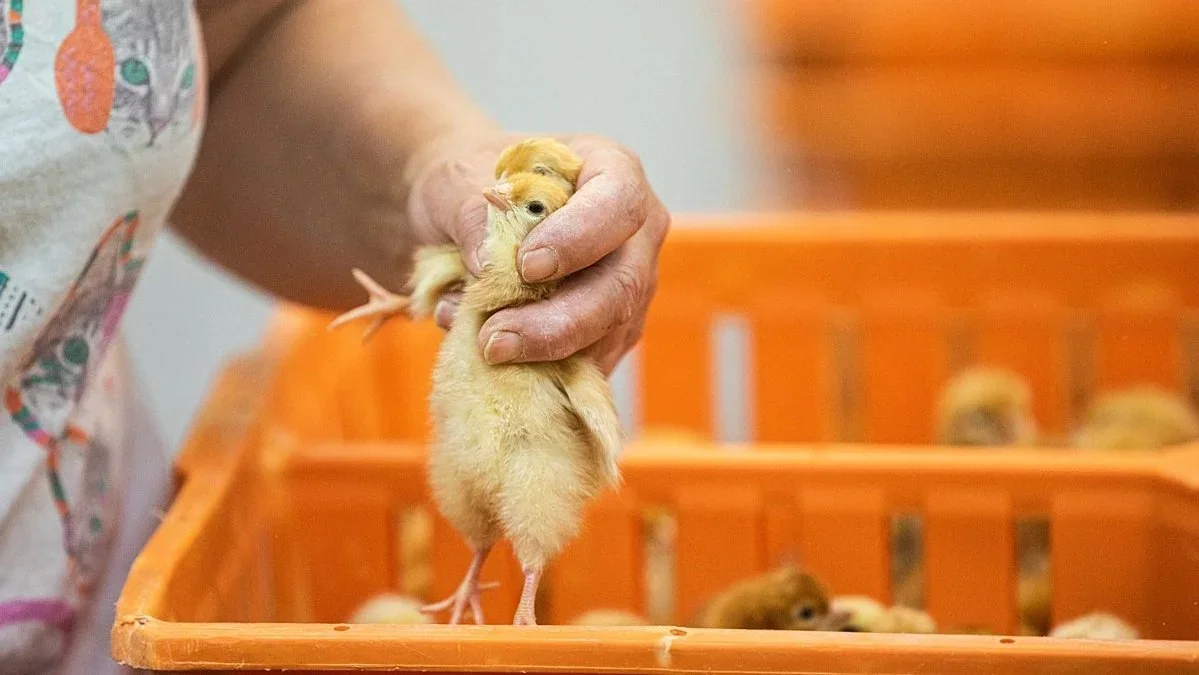
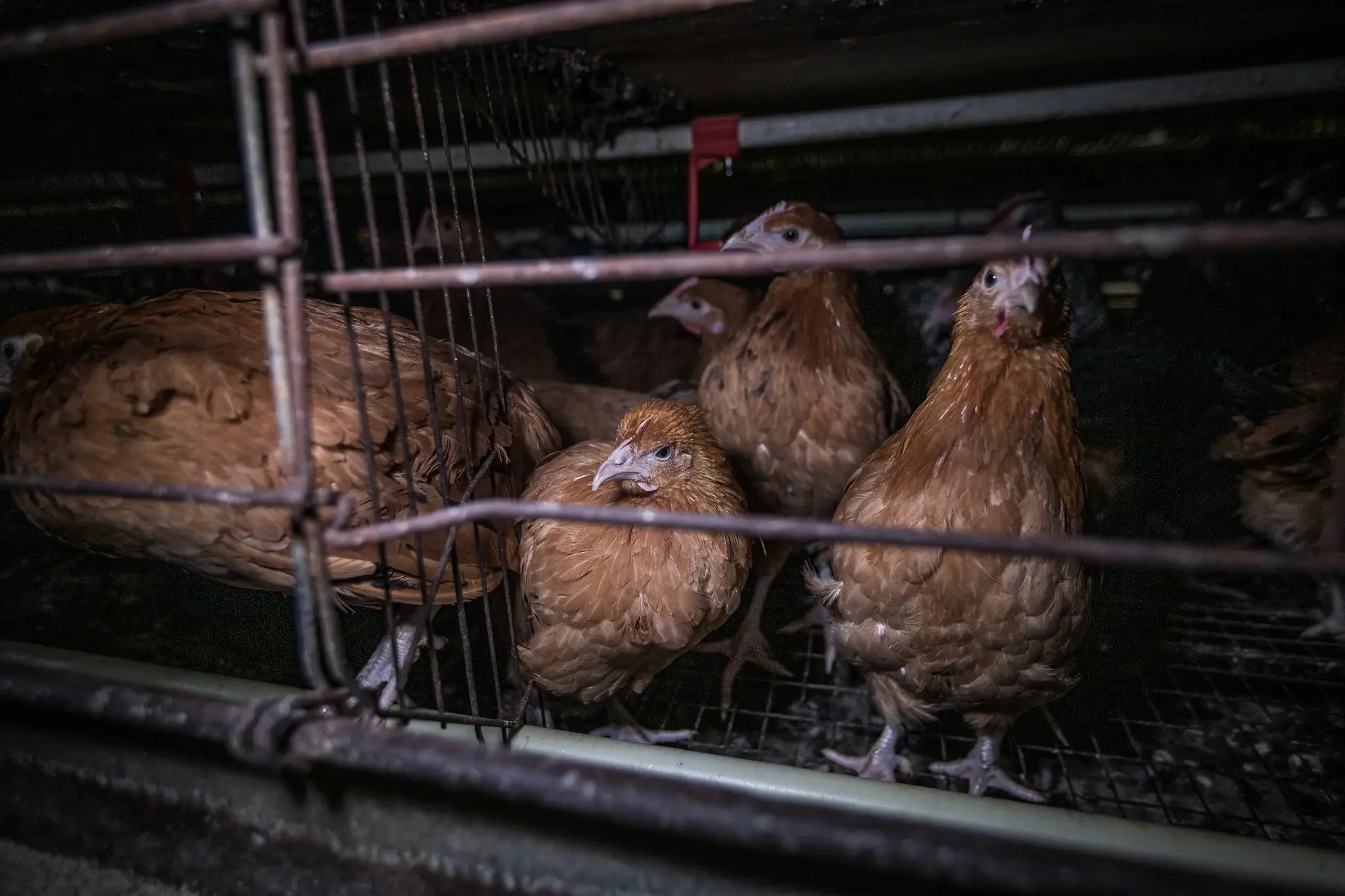
In an intensive system of farming, billions of chickens live in cramped conditions and are exploited every year for meat and egg production. This form of farming aims to keep as many birds as possible in a limited area while maximizing profits.
It is becoming increasingly acknowledged that animal agriculture is a major contributor to the climate crisis. Animal agriculture is also destroying forests, polluting rivers, and displacing communities across species.
Chicken farming’s impact on the climate is less than cattle farming’s environmental impact, however, greenhouse gas emissions (GHG) per serving of poultry are still 11 times higher than those for one serving of beans.
Egg production is no different. The impacts range from poor living conditions for the animals, poor working conditions for humans, and pollution and degradation of the environment. Recently, research published by the Journal of Cleaner Production revealed an ecological footprint from the current productive system of eggs, where every dozen eggs emit 2.7 kilograms of CO2, and approximately 196 liters of water are used to produce one egg.
Chicken meat is playing an increasingly large role in the American diet as people trade red meat for more poultry. Americans now eat more chicken per capita than beef or pork. The annual American appetite for chicken produces 129 billion lbs of CO2 emissions per year—the same amount as 12.37 million cars. Between 1981 and 2006, GHG emissions from the Canadian poultry industry increased by 40%.
Due to the rise of global demand for chicken and eggs, animal feed production must also rise. Over one-third (37%) of global soy is fed to chickens and other poultry. In 2004, the chicken farming industry utilized a total of 294 million tons of animal feed. The global poultry feed market was valued at $175.9 billion in 2018, growing at a rate of 4.5% over the forecast period.
This increased feed production has resulted in the expansion of croplands resulting in deforestation of biodiverse forests and pollution of water resources. This pollution is caused by the use of mineral fertilizers, pesticides, and herbicides. It also contributes to air pollution from nitrogen fertilizer which happens through the evaporation of ammonia.
Sentient Media’s ‘100 Voices’ Newsletter is a creation of their Social Media Fellowship program sponsored by VEGFUND.
Please consider taking ‘Petunia’s Pledge’ below and enjoy the free live events organized by Catskill Animal Sanctuary.
He Told You So!
The 2020 COVID-19 pandemic has caused confusion, fear, economic uncertainty, widespread illness and death. For most of us, these are unprecedented times.
The 2020 COVID-19 pandemic has caused confusion, fear, economic uncertainty, widespread illness and death. For most of us, these are unprecedented times. This contagion even eclipses the SARS outbreak of 2003 or the recent Ebola outbreaks in West Africa. This topic dominates both mainstream and social media and has had a direct impact on each of the 7.7 billion human beings on this planet.
If you have spent anytime on social media in the last couple of weeks, it seems there is no other news. You may have also noticed conspiracy theories abound about COVID-19 from it being a ‘man-made bio-weapon’ to ‘Hollywood elites operating pedophile rings fearing impending arrest have helped to spread this virus to distract authorities’ to ‘5G wireless being the cause of COVID-19’ (we’re not making this stuff up!). Lunacy aside, what is happening is very much a teachable moment.
We have seen in the last 20 years a concerning spike in the frequency and lethality of localized, regional and global pathogens infecting and killing many people. All of these pathogens have started either from factory farmed animals or wild animals caught, traded and slaughtered for human consumption and commerce. When one considers the implication of animal agriculture on the climate, the diseases caused by excessive consumption of animal protein, fat and cholesterol and the far-reaching threats caused by pandemics, it would truly be negligent, even criminal, to continue to ignore all these warning signs as it relates to our treatment of non-human animals. In other words, we do these things at our own peril and all life on this planet. This is not hyperbole - this is a wake up call.
In 2008, Dr. Michael Greger, of Nutrition Facts, a physician, speaker, New York Times Best Selling author of How Not To Die and graduate of Cornell University College of Agriculture and Life Sciences, Tufts University School of Medicine, posted a video on “Pandemics: History & Prevention”. It is one of the most prophetic lectures in circulation. We would encourage anyone who finds this page to watch this video in its entirety. It is 1 hour and well worth the watch. Your life, literally, may depend on it.
Nigel Osborne is the Executive Dir. of Egg-Truth. Nigel has years of experience related to animal rights and on-line advocacy. Through Egg-Truth.com and it's social media channels, Nigel seeks to increase awareness among the public about global egg production, expose the conditions for the billions of hens condemned to laying every year, and reveal the true impact of egg consumption on human health.