Egg Industry, Backyard Chickens, Cage-free Eggs Juliane Priesemeister Egg Industry, Backyard Chickens, Cage-free Eggs Juliane Priesemeister

Debunking the Most Common Egg Industry Myths – Part 2

In Part 2 of our myth-busting series, we uncover how the egg industry manipulates hens’ biology, environments, and even marketing to hide the suffering behind every egg.

Welcome to Part 2 of our myth-busting series on the egg industry.

In Part 1, we tackled common misconceptions about hens and eggs. Now we’re exploring myths about hen biology, manipulated living conditions, and misleading marketing claims, such as “hens naturally lay eggs daily,” or “dark yolks indicate better welfare.”

If you've ever wondered how “natural” eggs really are, keep reading.

5. “Only happy hens lay eggs.”

This common belief sounds comforting, but it’s misleading.

Laying eggs is a biological function, not a reliable indicator of wellbeing. A hen may continue to lay even when her body is under immense stress. This is because hens have been bred to be highly productive, and their physiology allows them to keep laying despite poor conditions.

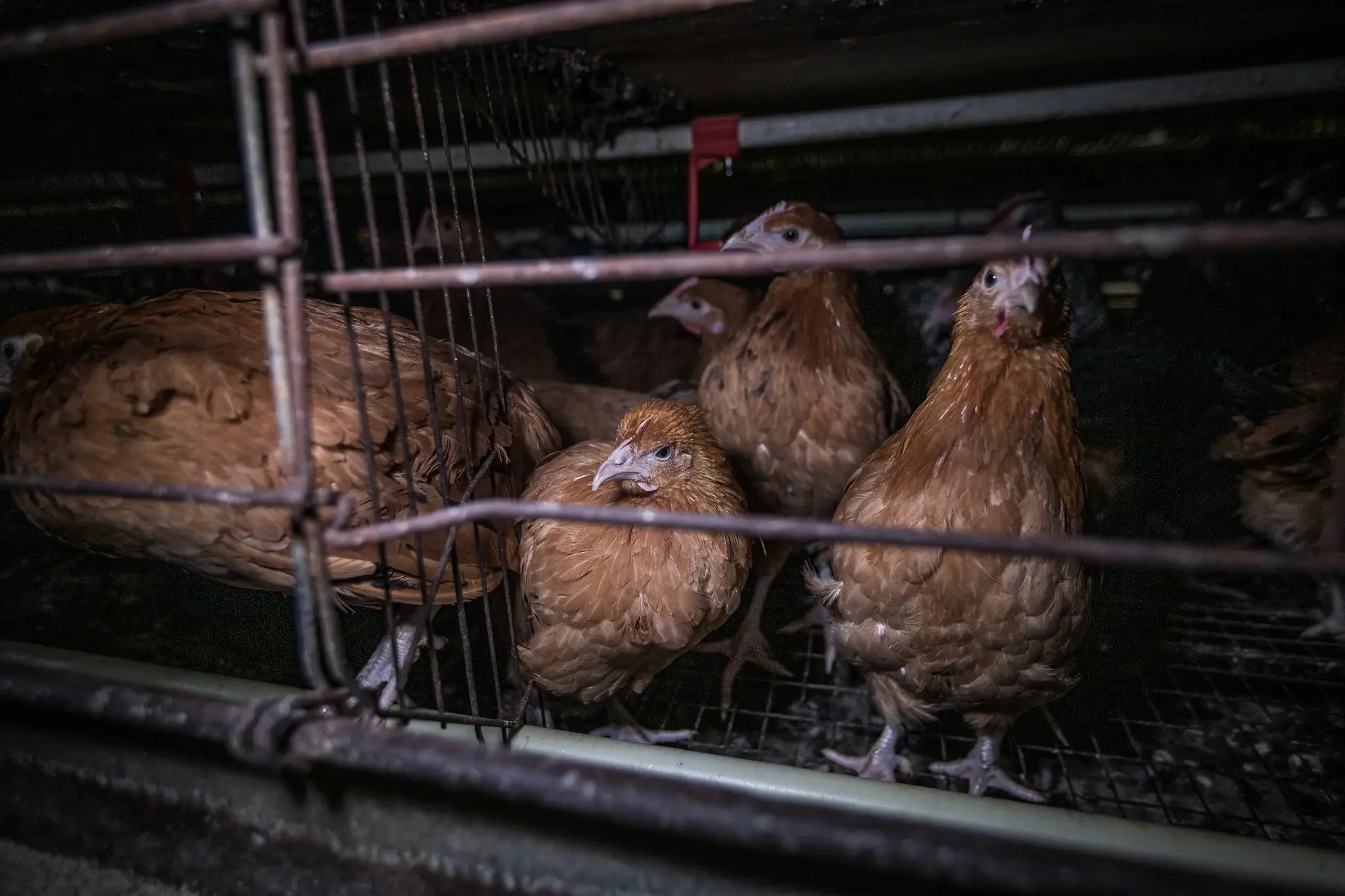
In commercial farms, hens face constant stress—from overcrowded barns, rough handling, and noise to sudden changes in temperature, light, or feed. These stressors can cause hormonal spikes or chronic health issues like weakened bones and suppressed immune function. Yet many hens keep laying through it all due to a process called allostasis: their bodies adapt to stress to maintain egg production—even when it takes a toll.

Egg output doesn’t mean a hen is thriving. In fact, hens in less stressful backyard environments might lay fewer eggs but live much longer and healthier lives. Meanwhile, commercial hens might keep laying while silently suffering from parasites, poor nutrition, or reproductive exhaustion.

The bottom line: consistent egg laying is not a sign of happiness or good health—it’s often a sign of survival in a system that prioritizes output over wellbeing.

👉 Learn more.


6. “Hens lay an egg every day—it’s the most natural food to eat”

The egg industry likes to suggest that daily egg-laying is simply what hens do. It sounds natural, even effortless. But this image is far from the truth.

Today’s hens are the result of decades of intense selective breeding. While their wild ancestors laid around 12 eggs per year, modern hens have been engineered to produce between 250 and 330 eggs annually. In some cases, industry breeding targets push for as many as 500 eggs per hen in a single laying cycle.

This level of output is anything but natural. It puts enormous strain on the hen’s body and leads to serious health issues, including osteoporosis, skeletal depletion, and reproductive tract problems. After just 72 to 100 weeks of this exhausting cycle, the hens are considered no longer profitable and are sent to slaughter.

The truth is, hens do not lay eggs every day because it is natural. They do it because they have been genetically manipulated to meet the demands of a system that sees them as egg-producing machines.

What we call “natural” is actually the result of extreme intervention in their biology.

👉 Learn more.


7. “Hens need sunlight to lay eggs—egg farms are bright places.”

The industry loves to show sun‑drenched barns, giving the impression that hens bask in natural daylight. In reality, sunlight is not required. What matters is control.

Hens are photoperiod‑sensitive birds; their bodies start an egg‑laying cycle when they receive roughly 14 to 16 hours of light. Farmers replicate spring and summer by flipping on low‑watt bulbs and setting them on a timer. No sun needed—just electricity.

Most barns run at 10 to 20 lux, about as bright as a dim hallway closet. A sunny day outside reaches over 80 000 lux. In these gloomy sheds, dawn and dusk are faked, and red or orange lights are sometimes added to stimulate reproductive hormones. The goal is simple: more eggs, more quickly, with little regard for the toll on the hens’ bodies.

This artificial schedule keeps hens producing nonstop while masking the harsh, cramped reality inside the barn. Bright marketing photos do not match the dim truth.


👉 Learn more.


8. “A dark yolk means a hen is happy and healthy.”

Egg cartons often feature deep, vibrant yolks to suggest freshness, better taste, and healthier hens. This appealing imagery, however, is purely marketing.

Egg yolk color mainly depends on diet—specifically, carotenoids from plants like corn, carrots, or alfalfa. In nature, these pigments produce a range of yolk shades from pale yellow to deep orange. But egg producers commonly add natural feed additives to achieve consistently dark yolks for consumer appeal, regardless of actual hen wellbeing or egg quality.

In fact, yolk color does not reliably indicate better nutrition, superior taste, or humane living conditions. Even hens confined in cages can produce eggs with deep-colored yolks if their diets include certain pigments.

Ultimately, yolk color is a manipulated illusion, created by producers to mask cruel practices and boost consumer appeal—not evidence of happy or healthy hens.

👉 Learn more.


The egg industry carefully shapes the way we see hens, eggs, and farming practices. From controlling light exposure to force egg production, to adding pigments to feed to influence yolk color, much of what we are told is a marketing illusion.

These systems are not designed to support animal wellbeing. They are designed to maximize profit, often at the cost of the hen’s health and life.

Once we begin to question what we’ve been taught, the truth becomes hard to ignore. Hens are not machines, and eggs are not a harmless food. They are the product of a system built on control, manipulation, and suffering.

If we want a kinder world, it starts by leaving eggs off our plates.


Sources & Further Reading

Read More
Egg Industry, Backyard Chickens, Cage-free Eggs Juliane Priesemeister Egg Industry, Backyard Chickens, Cage-free Eggs Juliane Priesemeister

Debunking the Most Common Egg Industry Myths – Part 1

Think eggs are harmless? These 4 myths hide the brutal truth about the egg industry.

As advocates for chickens in the egg industry, we’ve heard it all. Over and over again, the same “gotcha” comments pop up beneath our posts—seemingly simple statements that attempt to justify eating eggs. But when we dig a little deeper, these claims start to unravel.

In this two-part series, we’re breaking down the most common myths we encounter. Here’s Part 1.

1. “No chickens are killed for eggs.”

This is one of the most common misconceptions we encounter—and one of the most misleading.

The idea that eggs are a harmless byproduct rests on the belief that no lives are taken in the process. But the egg industry depends on killing to function. Both hens and male chicks are routinely killed as part of standard egg production practices.

Every egg-laying hen is eventually slaughtered when her production slows—usually before she even turns two years old. Her short life is spent in confinement, her body pushed to produce egg after egg at a rate far beyond what nature ever intended. This extreme overproduction leads to serious health issues, including reproductive disorders, brittle bones, and exhaustion.

But the killing starts even earlier.

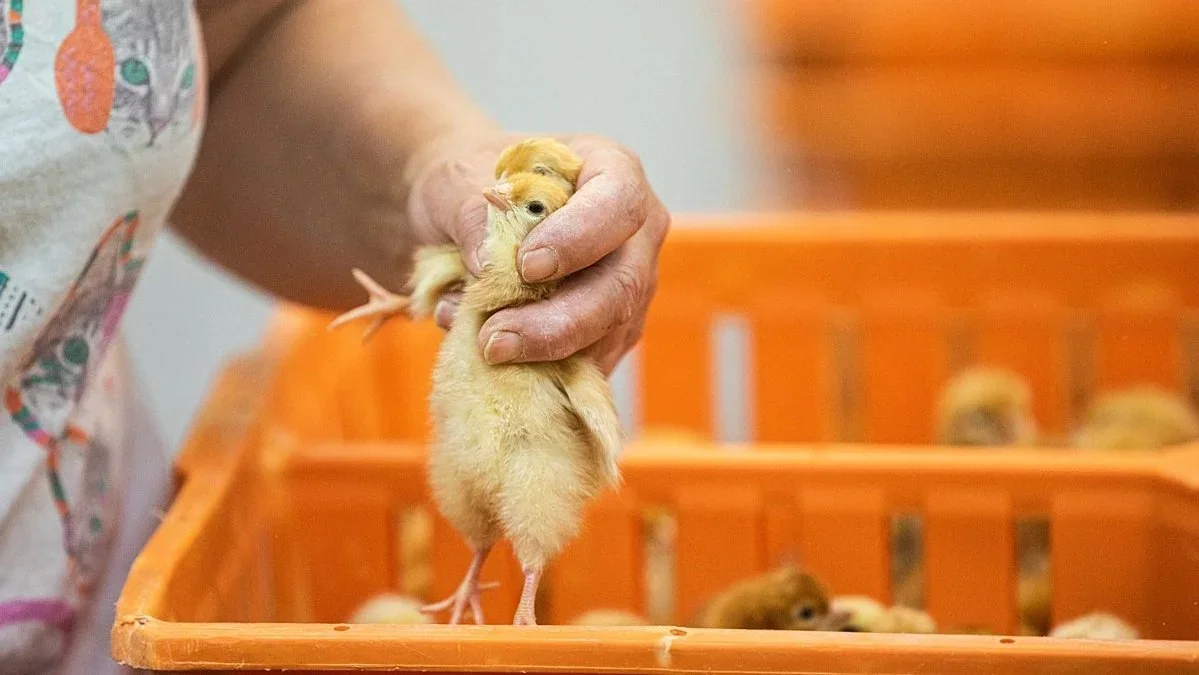
Because male chicks don’t lay eggs and aren’t profitable for meat, they’re considered useless by the industry. Just hours after hatching, these baby birds are typically killed—ground up alive, gassed, or suffocated in trash bags. Globally, this adds up to about 6 billion male chicks killed every single year. Their lives are discarded before they’ve even begun.

If every hen came from a hatchery, so did her brother—and he didn’t make it past his first day.

So yes, chickens are absolutely killed for eggs. Not just eventually. From the very beginning.

👉 Learn more.


2. “Male chicks aren’t killed—they’re raised for pet food.”

This claim attempts to gloss over one of the egg industry's most brutal truths: the systematic culling of male chicks.

Because male chicks don’t lay eggs and aren’t bred to grow quickly enough for meat production, they are considered worthless to the industry. Unlike other animal-based food sectors, egg production depends on hatching fertilized eggs without knowing the chick’s sex in advance. As a result, chicks must be born first, then sorted by sex—an operation that leads to the immediate killing of males.

Within hours of hatching, male chicks are discarded—often gassed or ground alive. Their deaths are not a rare exception, but a standard industry practice carried out for the sake of efficiency and profit. Weak, injured, or deformed chicks—regardless of sex—are also culled in this process.

Some argue that these chicks are used for pet food, but even if that’s occasionally the case, it doesn’t make the practice ethically acceptable. Raising them for a few more weeks only prolongs their suffering before an inevitable, premature death. Every path leads to slaughter.

Even emerging technologies like in-ovo sexing—marketed as a compassionate alternative—do not address the suffering of the hens themselves or the parent birds used to produce fertilized eggs. The grim reality remains: male chicks are treated as disposable by-products of an industry built on reproductive control and exploitation.

👉 Learn more.


3. “Hens lay eggs anyway—it would be wasteful not to eat them.”

At first glance, this argument may seem practical. But it completely overlooks the reality of how hens come to be in egg production in the first place.

Modern egg-laying hens are not backyard wanderers casually leaving eggs behind. They are bred, purchased, and kept for one reason: to produce eggs—hundreds of them per year. This isn’t a natural occurrence; it’s the result of decades of selective breeding and manipulation. Unlike wild birds who lay just a handful of eggs to raise chicks, today’s hens have been genetically engineered to hyperovulate almost daily, far beyond what nature ever intended.

This unnatural burden takes a serious toll on their bodies. Chronic reproductive strain leads to health problems like inflammation, hunger, pain, and exhaustion. And when their production slows—typically before they even turn two—they’re slaughtered.

Using the argument “they lay them anyway” ignores that these hens are bred to suffer. Their existence has been engineered for profit, not for life.


👉 Learn more.


4. “I only buy locally farmed, free-range eggs—these hens have a good life.”

This comforting belief—that buying “free-range,” “organic,” or “local” eggs means supporting happy, well-cared-for hens—is widespread, but it doesn’t hold up under scrutiny.

Egg labels vary greatly by country and often mislead consumers. In Canada and the United States, for example, “free-range” simply means the hens have some outdoor access. How much? That’s usually unspecified. In the UK and Australia, the standards are slightly more stringent, but still allow wide variation. Meanwhile, “organic” eggs might come from hens fed pesticide-free grain and granted limited outdoor time, but even these labels don’t guarantee humane or natural conditions.

What’s more, “local” farms often mirror the same industrial practices used by large-scale producers. Small scale doesn’t always mean kind. These hens are still products of the same hatcheries where male chicks are killed at birth, and the females are bred for unnatural levels of egg production. Their high output causes painful health issues like osteoporosis and reproductive tract problems, and once their egg production slows, they are slaughtered—often before they turn two.

Labels may offer the illusion of care and transparency, but they do little to alter the deeper problem: the systemic exploitation of hens for profit.

👉 Learn more.

The egg industry is built on decades of carefully maintained myths—claims that eggs are harmless, natural, or humane. But the facts tell a different story. From the systematic killing of male chicks and the relentless exploitation of hens’ reproductive systems to the misleading comfort of free-range labels, we’re often sold a fantasy far removed from reality.

And these are just the beginning.

In Part 2 of our myth-busting series, we’ll take a closer look at some of the most persistent misconceptions around hen biology and egg marketing—like why hens don’t naturally lay an egg a day, how artificial lighting is used to manipulate their cycles, and whether a dark orange yolk really means anything about the life the hen lived.

If you’ve ever been told eggs are the most natural food there is, stay tuned. The truth is far more engineered.


Sources & Further Reading

Read More