Egg Industry, Backyard Chickens Juliane Priesemeister Egg Industry, Backyard Chickens Juliane Priesemeister

The Problem with Backyard Chickens

Backyard chicken keeping, while seemingly a kinder alternative to commercial egg production, often replicates the same ethical and practical issues on a smaller scale.
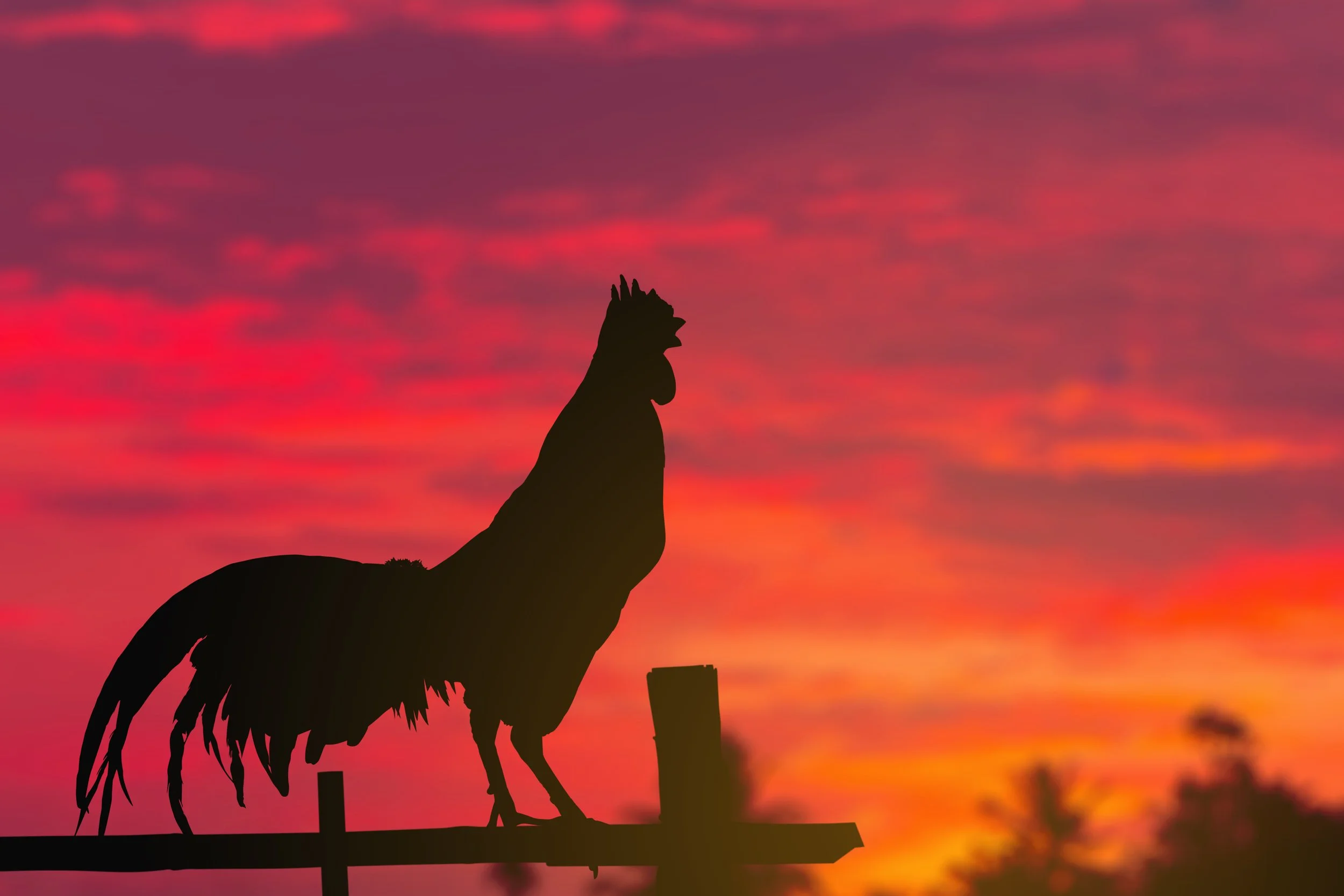
AI-generated Image

Backyard chicken keeping, even with the best intentions, often replicates the exploitation and ethical issues found in the commercial egg industry.

With egg prices soaring and increased animal welfare awareness, many turn to raising their own chickens for a steady supply of eggs. However well-intentioned these choices might seem, they often overlook the moral and practical implications of caring for animals. This blog post explores how small-scale chicken keeping can mirror the cruel realities of large commercial egg farms.

The Rise of Backyard Chicken Keeping

Backyard chicken keeping, a trend fueled by growing interest in sustainability and self-sufficiency, saw a significant boost during the pandemic. COVID-19 stay-at-home orders provided the time and motivation for many to set up “COVID coops.” According to the American Pet Products Association, an estimated 12 million people in the U.S. now keep backyard chickens.

Several factors have driven this trend. The sharp increase in egg prices and heightened concerns about food security have led many to seek a self-sufficient solution by raising their own chickens. Additionally, growing awareness of the inhumane conditions in factory farms has prompted a desire to pursue more ethical and health-conscious alternatives.

Chickens are perceived as a manageable choice for those looking to keep typically farmed animals. They require relatively little land and, once their basic needs for food and shelter are met, are considered low-maintenance. Furthermore, recent legal changes have facilitated the rise in backyard chicken ownership. For instance, Baltimore County recently updated its regulations to permit homeowners to keep up to four hens on a 10,000-square-foot lot, with allowances for additional birds based on property size.

The appeal of keeping chickens extends beyond merely obtaining fresh eggs. Chickens are intelligent and sociable, capable of forming strong bonds with their human caretakers, thus offering companionship and educational opportunities.

Despite the advantages, the idealized perception of backyard chickens often neglects significant ethical and practical challenges. As we delve deeper into these issues, it becomes clear that raising chickens for eggs, whether on a small scale or in a commercial setting, involves complex considerations that merit closer examination.

Replicating Industry Cruelties on a Smaller Scale

The charm of a backyard flock—complete with green grass, cozy nest boxes, and loving care—seems like a humane alternative to commercial egg production. Yet, despite its appealing facade, backyard chicken keeping often mirrors the same cruelties found in large-scale egg farming.

  1. Focus on Egg Production Over Hen Welfare
    Both commercial farms and backyard setups prioritize egg production, typically at the expense of the hens' health. Hens bred for high egg output face severe health issues such as osteoporosis and egg binding. Backyard keepers, aiming for a steady egg supply, will simply perpetuate these health concerns, further subjugating the well-being of their hens.

  2. The Rooster Dilemma
    Backyard chicken keepers typically prefer hens due to their egg-laying abilities, which frequently results in the neglect or abandonment of roosters. Roosters are sometimes killed or abandoned if they accidentally end up in a flock. Additionally, purchasing chickens from commercial hatcheries supports the practice of mass male chick culling, as many hatcheries dispose of male chicks shortly after hatching.

  3. Economic Considerations Over Animal Lives
    The economic calculus of maintaining backyard chickens can starkly reflect industry practices. When hens cease to lay eggs or fall ill, the cost of their upkeep versus the benefits of their egg production comes under scrutiny. Without access to proper veterinary care, many backyard chickens suffer from untreated health issues. Conditions like egg binding, exacerbated by excessive egg production, often go unaddressed. Rather than valuing the lives of these animals, some keepers may decide to cut their losses, echoing the industry's disregard for hens once they are no longer profitable.

  4. Premature Deaths

    The culmination of these factors frequently leads to premature deaths among backyard chickens. Much like their commercial counterparts, these birds face early and avoidable deaths due to a combination of health issues, lack of proper care, and economic decisions. The tragic irony is that, despite the seemingly idyllic setting, the end result can be eerily similar to the outcomes seen in large-scale egg production.

The Ethics of Egg Production

Despite claims from some chicken keepers that their hens live pampered lives, this view often overlooks deeper ethical issues. Our relationship with animals should not be based on their ability to produce for us. Expecting animals to “earn their keep” through their output diminishes their intrinsic worth and dignity. This section explores the moral implications of using chickens for their eggs, highlighting the consequences of viewing hens as mere production units, crucial for understanding the broader implications of our relationship with animals.

  1. Reducing Hens to Production Units:
    When hens are kept primarily for their eggs, their worth is often seen through the lens of their egg production capabilities. This reductionist view can obscure their full range of needs and experiences. For instance, a backyard keeper might focus on maximizing egg yield rather than addressing the hens' natural behaviors or emotional well-being. This approach perpetuates the notion that hens are valuable only for the eggs they produce.

  2. The Exploitation of Reproductive Processes:
    Hens bred for high egg production face physical and psychological strain. Even if a hen is kept in a caring environment, she is still a product of selective breeding that compels her to lay far more eggs than her natural cycle would dictate. This exploitation of her reproductive system continues regardless of her living conditions. The ethical concern is that, by consuming these eggs, we are benefiting from a system that forces hens into unnatural and often harmful reproductive practices.

  3. The Illusion of “Humane” Egg Production:
    The perception that backyard eggs are more ethical can mask deeper ethical issues. For example, even well-intentioned backyard keepers might not fully address the complexities of hens' needs, such as their social interactions and natural behaviors. This illusion of “humane” egg production reinforces a false sense of ethical consumption, potentially leading people to underestimate the broader implications of using hens for eggs.

  4. Ethical Paradox of Egg Consumption:
    The very act of eating eggs—regardless of their source—raises a moral dilemma. If hens are kept specifically for egg production, their well-being is tied to their ability to lay eggs. This creates a paradox: enjoying eggs involves benefiting from a system that inherently exploits hens. Even with the best intentions, consuming eggs from any source supports a practice rooted in exploitation.

Conclusion

We commend the genuine care many people show for their feathered friends. Yet, the ethical dilemmas of keeping chickens for eggs reveal that using animals for personal gain, even with the best intentions, undermines their intrinsic worth and dignity.

To truly honor their well-being, the most ethical approach is to move away from using hens as egg producers and value them for who they are. Let’s champion a world where animals are appreciated for their intrinsic worth, free from the demands of production and exploitation.

Read More
Egg Industry, Backyard Chickens Juliane Priesemeister Egg Industry, Backyard Chickens Juliane Priesemeister

All About Roosters

All chickens on egg farms are hens? Billions of them worldwide. All chicks that hatch from fertilized eggs are 50% female and 50% male. But where are all the roosters?

Did you know that all chickens on egg farms are female?

Billions of them worldwide. All chicks that hatch from fertilized eggs are 50% female and 50% male. But where are all the roosters? And why do homesteaders fear accidentally buying male chicks?

Why Are Millions of Male Chicks Culled Annually?

Roosters hold significant cultural symbolism. In many cultures, including France, where the rooster is a national emblem, these birds symbolize courage, vigilance, and resilience. Yet, every year, millions of male chicks are deemed useless to the egg industry and are culled shortly after hatching. This widespread and disturbing practice occurs in large-scale mechanized facilities, where chicks are swiftly sorted by sex upon emerging from their shells. Because male chicks cannot lay eggs and are considered economically worthless, they are subjected to inhumane methods such as gassing or grinding alive.

The sheer scale of this practice is staggering. In the US alone, approximately 300 million male chicks are culled annually. This cruel practice is not isolated to any one country, but is a global phenomenon driven exclusively by the economics of egg production. Here, efficiency and profit outweigh any respect for life or ethical considerations.

An Excess of Roosters?

Nature equips every species with balance and purpose. So, did nature make a mistake by creating too many roosters? The truth is, human intervention in selective breeding and egg production has distorted this balance, leading to the mass slaughter of male chicks. It's not nature's flaw but a consequence of our manipulation and exploitation of animals for profit.

In their natural environment, roosters play crucial roles within chicken flocks. They are not just reproductive tools but leaders who protect their hens from predators, teach their chicks important survival skills, and maintain order within the flock. Roosters have distinct personalities and social hierarchies, where each bird contributes uniquely to the group's dynamics.

Furthermore, roosters are essential to the broader ecosystem. Their crowing serves as a natural alarm clock for both the flock and surrounding wildlife, helping maintain a balanced ecological niche. However, industrial egg production reduces roosters to disposable entities, disregarding their intrinsic value and undermining their vital ecological contributions.

Are Roosters Truly Misunderstood?

Roosters face a multitude of challenges. Apart from the systematic culling of male chicks in the egg industry, they confront additional hardships stemming from cultural misconceptions and legal restrictions. Often unfairly characterized as inherently aggressive, these birds frequently become victims of cockfighting, —a brutal practice where they are forced into lethal battles for human entertainment and gambling. This barbaric tradition perpetuates harmful stereotypes and contributes to widespread bans on rooster ownership in urban and suburban areas, further isolating these misunderstood creatures.

One dire consequence of these misconceptions is the implementation of legal restrictions that prevent homesteaders from keeping roosters. Many urban and suburban locales enforce strict bans or regulations due to concerns over noise, perceived aggression, or local ordinances. This, combined with a lack of interest and understanding of the true nature and essential role of roosters within chicken communities, poses significant challenges. When homesteaders primarily focus on hens for egg production rather than nurturing whole chicken families, they often fail to accommodate the social dynamics and needs of roosters. This oversight frequently leads homesteaders to resort to drastic measures such as rooster slaughter or abandonment, perpetuating the cycle of misunderstanding and exploitation.

Where Do Abandoned Roosters Find Refuge?

Some abandoned backyard roosters are fortunate to find refuge in sanctuaries dedicated to their rescue and rehabilitation. These sanctuaries provide a safe haven where roosters receive essential care, including medical attention, nutritious food, and companionship. Volunteers and sanctuary workers recount numerous heart-wrenching tales of abandonment and survival.

At Danzig Roost, for instance, volunteers regularly field desperate calls from homesteaders facing unexpected challenges with their roosters. Typically, these are from families who purchased chicks expecting hens, only to discover some of these are roosters they cannot keep later on. “These calls are all too familiar,” laments one volunteer. “It takes immense patience to listen without frustration… Reluctant to harm these birds, cherished by their children, they seek a compassionate solution.”

Melanie Moonstone from Rooster Redemption shares a similar experience: “When someone gets an ‘oops’ rooster, they just can’t get rid of them fast enough.” This sentiment underscores a broader issue within the backyard chicken farming trend. Hatcheries legally mail millions of baby chicks across the country, often with a minimum purchase requirement. With a sexing accuracy rate of 75 to 90%, a significant number of unwanted roosters are inevitably produced.

These “oops” roosters face grim fates: they are typically killed and eaten, dumped on the streets, or left to die from neglect or predation. Rooster Redemption, like many other sanctuaries, has shifted its focus from simply rescuing roosters to educating the public about the consequences of purchasing chicks.

Rooster Redemption isn't the only sanctuary trying to change the image of roosters. At The Browns' Microsanctuary, a rooster named Steve has become a social media star and a beloved ambassador for his species. His story is one of resilience and redemption, as he wins hearts online, educating about rooster behavior and dispelling myths. His and other rescue roosters’ gentle nature and affectionate interactions highlight roosters' inherent compassion and intelligence, a stark contrast to their portrayal in exploitative industries.

Sanctuaries like the Rooster Sanctuary at ‘Danzig Roost’, ‘The Browns' Microsanctuary’, and ‘Rooster Redemption’ stand as beacons of hope, rescuing roosters and providing them with a safe haven. And they all hold the same vision close to their hearts: a world where roosters thrive in natural settings, among their peers, valued for their distinct personalities, and honored for their rightful place in the world.

What Can I Do?

Recognizing the link between egg consumption and the fate of male chicks is crucial in understanding the ethical implications of our food choices. By advocating for roosters and reconsidering our consumption habits, we can contribute to a more compassionate future where these birds are respected for their innate qualities. Embracing a plant-based, egg-free diet aligns with values of kindness and compassion toward all living beings.

Read More
Health Nigel Osborne Health Nigel Osborne

Eggs Over (dis-)Easy?

(The USDA has been) warning egg producers against the illegal use of false or misleading advertising . . .

In this eight-minute video from Nutrition Facts, consumerist collusion between the USDA and the egg industry are revealed via documents sourced through the Freedom of Information Act. Warning egg producers against the illegal use of false or misleading advertising, the USDA repeatedly advises substitution for the words "safe", "healthy", and "nutritious":

It is no surprise that egg yolks are high in cholesterol, and that eggs are calorie bombs given that their evolutionary purpose is to feed a growing embryo. It is also no surprise that those with a vested financial interest in the production of eggs would seek to ameliorate any negative connotation with their brand or product. What is surprising is the level of self-awareness these companies seem to have about the atrocities they're committing, not only with regard to the health of the humans consuming eggs but also the treatment of the hens to whom they owe their livelihood. What's also surprising is that taxpayers are helping foot the bill for their own manipulation.

A review by the U.S. Federal Trade Commission deems advertising by the egg industy is “false, misleading or deceptive”.

These documents between the USDA and egg companies demonstrate that the federal government has a hand in shaping public perception, re-framing words ("healthy" is now "nutritionally-dense"; "safe" is now "fresh") in what I can only describe as a blatant attempt to pull the wool over our eyes. What's in it for them? What is the financial or moral hook on which the USDA is hanging its cap? Surely fielding such questions and offering alternative verbiage carries a cost to the USDA, an organization so woefully understaffed that poultry farm inspections were given over to farm employees in 2014 due to nationwide USDA inspector shortages.  

Denial is a powerful thing, and cognitive dissonance can only be stomached for so long. With these ideas in mind, I had wrongfully assumed that industrial agriculturalists as a whole had all but gone numb to the idea of psychological nuance, patting themselves on the back for a bottom line honestly achieved through good ol' fashioned farm work. Sure you gotta make the cartoon chicken look happy and the farm in the background blood-free. Consumerists can get "overwhelmed" otherwise... but to have the blatant suggestion that advertising should not depict scenes that are "too industrial"--battery cages, large warehouses filled with eggs, machinery, etc.--demonstrates that their willingness to manipulate the psyche of the consumer precedes their concern with demonstrating sterility and mechanized efficiency, reducing hens to units on a Henry Ford production line.

Wow. The fact that these companies are still having to mitigate consumer feelings for the hen after all that commodification and utilitarian production speaks volumes to the innate strength of empathy in avian-human connection. I guess that's the silver lining here. Bottom line, egg consumption can lead to heart disease, and perhaps even worse, heart dis-ease: that achy feeling that creeps in when empathy is swallowed by dissociation.

This blog post is re-published with the permission of Elizbeth M. Burton-Crow, Ph.D.


Elizabeth_Burton-Crow.jpg

Egg-Blog contributor: Elizabeth M. Burton-Crow, Ph.D. currently works at the Depth Psychology Program, Pacifica Graduate Institute. Elizabeth does research in Philosophy of Science, Ecopsychology, and Trans-species Ethics. Her current project is 'Poultry, Parrots, and People: Exploring Psyche Through the Lens of Avian Captivity'. Dr. Crow is also a facuity member of The Kerulos Center for Nonviolence

Read More