The Problem with Backyard Chickens
Backyard chicken keeping, while seemingly a kinder alternative to commercial egg production, often replicates the same ethical and practical issues on a smaller scale.
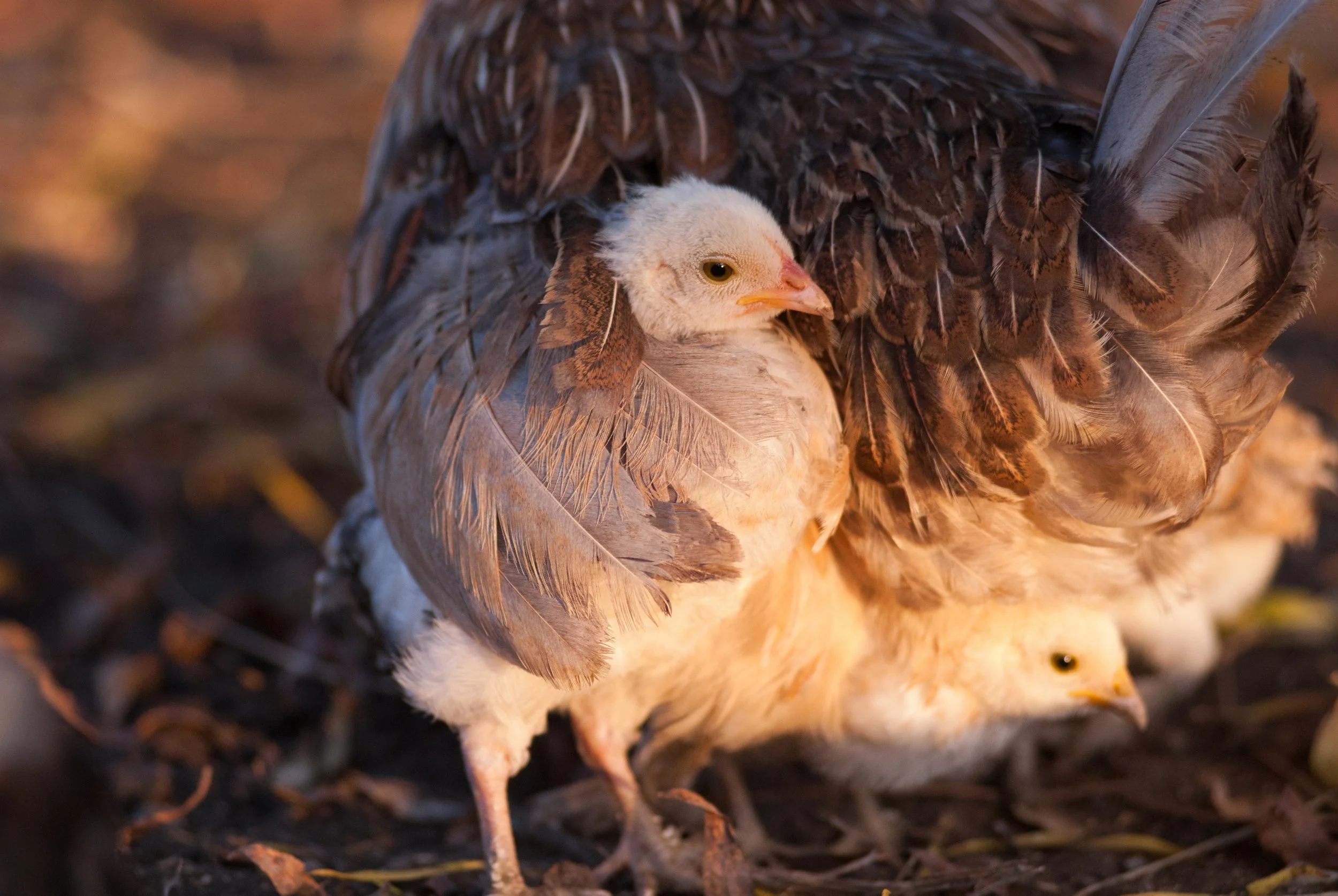
AI-generated Image
Backyard chicken keeping, even with the best intentions, often replicates the exploitation and ethical issues found in the commercial egg industry.
With egg prices soaring and increased animal welfare awareness, many turn to raising their own chickens for a steady supply of eggs. However well-intentioned these choices might seem, they often overlook the moral and practical implications of caring for animals. This blog post explores how small-scale chicken keeping can mirror the cruel realities of large commercial egg farms.
The Rise of Backyard Chicken Keeping
Backyard chicken keeping, a trend fueled by growing interest in sustainability and self-sufficiency, saw a significant boost during the pandemic. COVID-19 stay-at-home orders provided the time and motivation for many to set up “COVID coops.” According to the American Pet Products Association, an estimated 12 million people in the U.S. now keep backyard chickens.
Several factors have driven this trend. The sharp increase in egg prices and heightened concerns about food security have led many to seek a self-sufficient solution by raising their own chickens. Additionally, growing awareness of the inhumane conditions in factory farms has prompted a desire to pursue more ethical and health-conscious alternatives.
Chickens are perceived as a manageable choice for those looking to keep typically farmed animals. They require relatively little land and, once their basic needs for food and shelter are met, are considered low-maintenance. Furthermore, recent legal changes have facilitated the rise in backyard chicken ownership. For instance, Baltimore County recently updated its regulations to permit homeowners to keep up to four hens on a 10,000-square-foot lot, with allowances for additional birds based on property size.
The appeal of keeping chickens extends beyond merely obtaining fresh eggs. Chickens are intelligent and sociable, capable of forming strong bonds with their human caretakers, thus offering companionship and educational opportunities.
Despite the advantages, the idealized perception of backyard chickens often neglects significant ethical and practical challenges. As we delve deeper into these issues, it becomes clear that raising chickens for eggs, whether on a small scale or in a commercial setting, involves complex considerations that merit closer examination.
Image: WeAnimals Media
Replicating Industry Cruelties on a Smaller Scale
The charm of a backyard flock—complete with green grass, cozy nest boxes, and loving care—seems like a humane alternative to commercial egg production. Yet, despite its appealing facade, backyard chicken keeping often mirrors the same cruelties found in large-scale egg farming.
Focus on Egg Production Over Hen Welfare
Both commercial farms and backyard setups prioritize egg production, typically at the expense of the hens' health. Hens bred for high egg output face severe health issues such as osteoporosis and egg binding. Backyard keepers, aiming for a steady egg supply, will simply perpetuate these health concerns, further subjugating the well-being of their hens.The Rooster Dilemma
Backyard chicken keepers typically prefer hens due to their egg-laying abilities, which frequently results in the neglect or abandonment of roosters. Roosters are sometimes killed or abandoned if they accidentally end up in a flock. Additionally, purchasing chickens from commercial hatcheries supports the practice of mass male chick culling, as many hatcheries dispose of male chicks shortly after hatching.Economic Considerations Over Animal Lives
The economic calculus of maintaining backyard chickens can starkly reflect industry practices. When hens cease to lay eggs or fall ill, the cost of their upkeep versus the benefits of their egg production comes under scrutiny. Without access to proper veterinary care, many backyard chickens suffer from untreated health issues. Conditions like egg binding, exacerbated by excessive egg production, often go unaddressed. Rather than valuing the lives of these animals, some keepers may decide to cut their losses, echoing the industry's disregard for hens once they are no longer profitable.Premature Deaths
The culmination of these factors frequently leads to premature deaths among backyard chickens. Much like their commercial counterparts, these birds face early and avoidable deaths due to a combination of health issues, lack of proper care, and economic decisions. The tragic irony is that, despite the seemingly idyllic setting, the end result can be eerily similar to the outcomes seen in large-scale egg production.
Image: WeAnimals Media
The Ethics of Egg Production
Despite claims from some chicken keepers that their hens live pampered lives, this view often overlooks deeper ethical issues. Our relationship with animals should not be based on their ability to produce for us. Expecting animals to “earn their keep” through their output diminishes their intrinsic worth and dignity. This section explores the moral implications of using chickens for their eggs, highlighting the consequences of viewing hens as mere production units, crucial for understanding the broader implications of our relationship with animals.
Reducing Hens to Production Units:
When hens are kept primarily for their eggs, their worth is often seen through the lens of their egg production capabilities. This reductionist view can obscure their full range of needs and experiences. For instance, a backyard keeper might focus on maximizing egg yield rather than addressing the hens' natural behaviors or emotional well-being. This approach perpetuates the notion that hens are valuable only for the eggs they produce.The Exploitation of Reproductive Processes:
Hens bred for high egg production face physical and psychological strain. Even if a hen is kept in a caring environment, she is still a product of selective breeding that compels her to lay far more eggs than her natural cycle would dictate. This exploitation of her reproductive system continues regardless of her living conditions. The ethical concern is that, by consuming these eggs, we are benefiting from a system that forces hens into unnatural and often harmful reproductive practices.The Illusion of “Humane” Egg Production:
The perception that backyard eggs are more ethical can mask deeper ethical issues. For example, even well-intentioned backyard keepers might not fully address the complexities of hens' needs, such as their social interactions and natural behaviors. This illusion of “humane” egg production reinforces a false sense of ethical consumption, potentially leading people to underestimate the broader implications of using hens for eggs.Ethical Paradox of Egg Consumption:
The very act of eating eggs—regardless of their source—raises a moral dilemma. If hens are kept specifically for egg production, their well-being is tied to their ability to lay eggs. This creates a paradox: enjoying eggs involves benefiting from a system that inherently exploits hens. Even with the best intentions, consuming eggs from any source supports a practice rooted in exploitation.
Image: WeAnimals Media
Conclusion
We commend the genuine care many people show for their feathered friends. Yet, the ethical dilemmas of keeping chickens for eggs reveal that using animals for personal gain, even with the best intentions, undermines their intrinsic worth and dignity.
To truly honor their well-being, the most ethical approach is to move away from using hens as egg producers and value them for who they are. Let’s champion a world where animals are appreciated for their intrinsic worth, free from the demands of production and exploitation.
All About Roosters
All chickens on egg farms are hens? Billions of them worldwide. All chicks that hatch from fertilized eggs are 50% female and 50% male. But where are all the roosters?
Did you know that all chickens on egg farms are female?
Billions of them worldwide. All chicks that hatch from fertilized eggs are 50% female and 50% male. But where are all the roosters? And why do homesteaders fear accidentally buying male chicks?
Why Are Millions of Male Chicks Culled Annually?
Roosters hold significant cultural symbolism. In many cultures, including France, where the rooster is a national emblem, these birds symbolize courage, vigilance, and resilience. Yet, every year, millions of male chicks are deemed useless to the egg industry and are culled shortly after hatching. This widespread and disturbing practice occurs in large-scale mechanized facilities, where chicks are swiftly sorted by sex upon emerging from their shells. Because male chicks cannot lay eggs and are considered economically worthless, they are subjected to inhumane methods such as gassing or grinding alive.
The sheer scale of this practice is staggering. In the US alone, approximately 300 million male chicks are culled annually. This cruel practice is not isolated to any one country, but is a global phenomenon driven exclusively by the economics of egg production. Here, efficiency and profit outweigh any respect for life or ethical considerations.
An Excess of Roosters?
Nature equips every species with balance and purpose. So, did nature make a mistake by creating too many roosters? The truth is, human intervention in selective breeding and egg production has distorted this balance, leading to the mass slaughter of male chicks. It's not nature's flaw but a consequence of our manipulation and exploitation of animals for profit.
In their natural environment, roosters play crucial roles within chicken flocks. They are not just reproductive tools but leaders who protect their hens from predators, teach their chicks important survival skills, and maintain order within the flock. Roosters have distinct personalities and social hierarchies, where each bird contributes uniquely to the group's dynamics.
Furthermore, roosters are essential to the broader ecosystem. Their crowing serves as a natural alarm clock for both the flock and surrounding wildlife, helping maintain a balanced ecological niche. However, industrial egg production reduces roosters to disposable entities, disregarding their intrinsic value and undermining their vital ecological contributions.
Are Roosters Truly Misunderstood?
Roosters face a multitude of challenges. Apart from the systematic culling of male chicks in the egg industry, they confront additional hardships stemming from cultural misconceptions and legal restrictions. Often unfairly characterized as inherently aggressive, these birds frequently become victims of cockfighting, —a brutal practice where they are forced into lethal battles for human entertainment and gambling. This barbaric tradition perpetuates harmful stereotypes and contributes to widespread bans on rooster ownership in urban and suburban areas, further isolating these misunderstood creatures.
One dire consequence of these misconceptions is the implementation of legal restrictions that prevent homesteaders from keeping roosters. Many urban and suburban locales enforce strict bans or regulations due to concerns over noise, perceived aggression, or local ordinances. This, combined with a lack of interest and understanding of the true nature and essential role of roosters within chicken communities, poses significant challenges. When homesteaders primarily focus on hens for egg production rather than nurturing whole chicken families, they often fail to accommodate the social dynamics and needs of roosters. This oversight frequently leads homesteaders to resort to drastic measures such as rooster slaughter or abandonment, perpetuating the cycle of misunderstanding and exploitation.
Where Do Abandoned Roosters Find Refuge?
Some abandoned backyard roosters are fortunate to find refuge in sanctuaries dedicated to their rescue and rehabilitation. These sanctuaries provide a safe haven where roosters receive essential care, including medical attention, nutritious food, and companionship. Volunteers and sanctuary workers recount numerous heart-wrenching tales of abandonment and survival.
At Danzig Roost, for instance, volunteers regularly field desperate calls from homesteaders facing unexpected challenges with their roosters. Typically, these are from families who purchased chicks expecting hens, only to discover some of these are roosters they cannot keep later on. “These calls are all too familiar,” laments one volunteer. “It takes immense patience to listen without frustration… Reluctant to harm these birds, cherished by their children, they seek a compassionate solution.”
Melanie Moonstone from Rooster Redemption shares a similar experience: “When someone gets an ‘oops’ rooster, they just can’t get rid of them fast enough.” This sentiment underscores a broader issue within the backyard chicken farming trend. Hatcheries legally mail millions of baby chicks across the country, often with a minimum purchase requirement. With a sexing accuracy rate of 75 to 90%, a significant number of unwanted roosters are inevitably produced.
These “oops” roosters face grim fates: they are typically killed and eaten, dumped on the streets, or left to die from neglect or predation. Rooster Redemption, like many other sanctuaries, has shifted its focus from simply rescuing roosters to educating the public about the consequences of purchasing chicks.
Rooster Redemption isn't the only sanctuary trying to change the image of roosters. At The Browns' Microsanctuary, a rooster named Steve has become a social media star and a beloved ambassador for his species. His story is one of resilience and redemption, as he wins hearts online, educating about rooster behavior and dispelling myths. His and other rescue roosters’ gentle nature and affectionate interactions highlight roosters' inherent compassion and intelligence, a stark contrast to their portrayal in exploitative industries.
Sanctuaries like the Rooster Sanctuary at ‘Danzig Roost’, ‘The Browns' Microsanctuary’, and ‘Rooster Redemption’ stand as beacons of hope, rescuing roosters and providing them with a safe haven. And they all hold the same vision close to their hearts: a world where roosters thrive in natural settings, among their peers, valued for their distinct personalities, and honored for their rightful place in the world.
What Can I Do?
Recognizing the link between egg consumption and the fate of male chicks is crucial in understanding the ethical implications of our food choices. By advocating for roosters and reconsidering our consumption habits, we can contribute to a more compassionate future where these birds are respected for their innate qualities. Embracing a plant-based, egg-free diet aligns with values of kindness and compassion toward all living beings.
In-Ovo Sexing
'Revolutionary' technologies like in-ovo sexing are hailed as solutions to ethical concerns in the egg industry. But the elimination of male chick culling does little to address the inherent ethical dilemmas of egg production.
AI-generated image based on sexing technology
Step into the egg industry's latest buzz: In-ovo sexing.
While sensationalized as “The cutting-edge technology trying to save millions of male chicks from being gassed” and “A Simple New Technique Could Make Your Eggs More Humane” by major media outlets, the truth is more complex. Eliminating male chick culling doesn't make the egg industry and egg consumption humane or ethical.
In the egg industry, when male chicks hatch, they're often discarded because they can't lay eggs. This practice is called male chick culling. This widespread practice has long raised ethical questions about the treatment of animals within industrial farming.
Enter in-ovo sexing, a technological invention hailed as a solution to this ethical dilemma. By allowing farmers to determine the sex of developing embryos within eggs, in-ovo sexing ostensibly offers a way to avoid the mass culling of hatched male chicks. However, as we delve deeper into this topic, it becomes apparent that while this may address one aspect of the industry's ethical concerns, it fails to respond to the broader issues inherent in egg production.
This post will explore the technologies utilized in in-ovo sexing, its adoption and adaptation in various regions, the economic incentives driving its implementation, and the ethical dilemmas surrounding its use. We'll delve into why in-ovo sexing does not resolve the fundamental ethical dilemma of exploiting and killing animals for eggs, and highlight the ongoing suffering of hens in the egg industry.
The Egg Production Process
The egg production process is a cycle of systematic exploitation and suffering for chickens, starting from the parent flocks and ending at the slaughterhouse. Each stage in this process is designed to maximize efficiency and profit, often at the expense of the animals' well-being.
The Egg Production Process — From Breeder Farm to Slaughterhouse
From Parent Flocks to Hatcheries
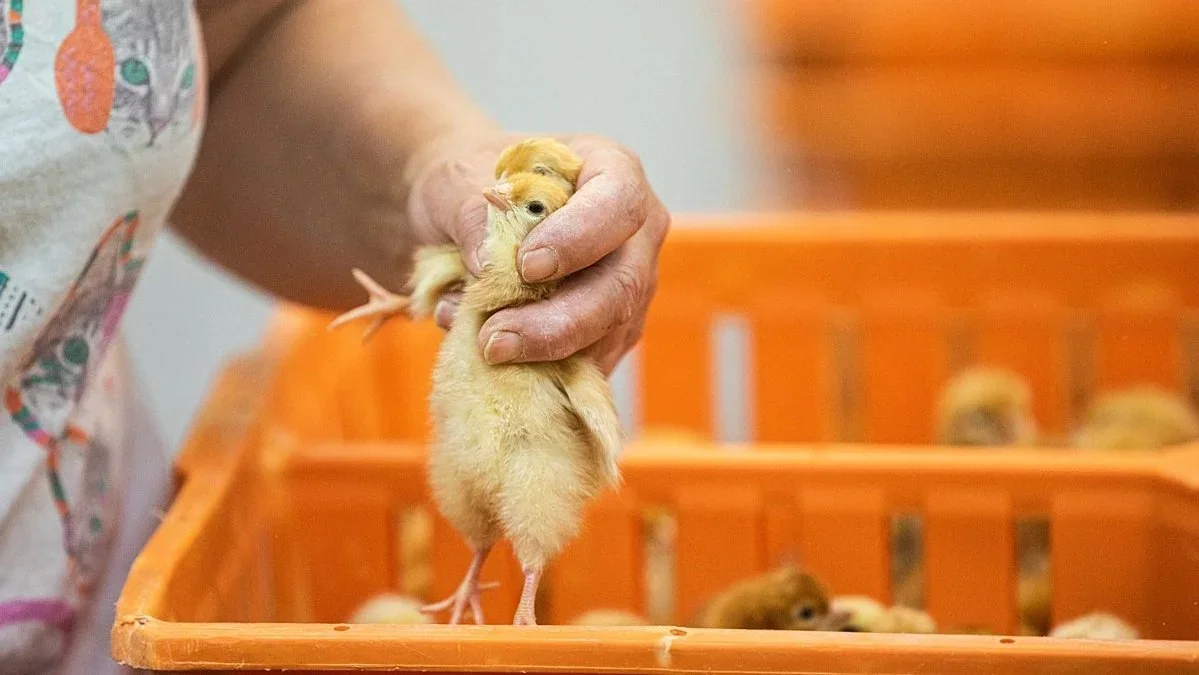
Parent flocks, the starting point of the egg production process, consist of hens and roosters bred specifically to produce fertile eggs. These birds endure stressful conditions, often kept in confined spaces with minimal freedom. Once the eggs are laid, they are incubated for approximately 21 days until they hatch. The hatchlings are then sent to the sexing room, where they are sorted based on gender. Male chicks, deemed economically useless for egg production, are shredded alive or suffocated shortly after hatching.
Image: Otwarte Klatki
This brutal practice has drawn significant ethical scrutiny, prompting the industry to seek technological solutions. One such advancement is in-ovo sexing, which attempts to address the immediate cruelty of culling male chicks by determining their sex before they hatch.
Understanding In-Ovo Sexing
Hailed as a pivotal advancement in the poultry industry, in-ovo sexing empowers farmers to determine the sex of developing embryos within eggs, allowing the removal of male eggs before they hatch.
Technologies Used for In-Ovo Sexing
Two primary methods have emerged for in-ovo sexing, both already in commercial use. Imaging technologies such as MRI or hyperspectral imaging allow for non-invasive sex determination by peering through the eggshell. Alternatively, fluid samples from eggs can undergo analysis using PCR (Polymerase Chain Reaction) or mass spectrometry to detect sex chromosomes or hormones. These diverse techniques share the common goal of distinguishing between male and female embryos, thereby preventing the need to cull male chicks after they hatch.
Though this has been promoted as a solution to the most publicized cruelty in the egg industry, the adoption and investment in such expensive technologies are driven primarily by profit.
Financial and Efficiency Incentives
In-ovo sexing provides substantial economic benefits to the egg industry. By automating the chick sexing process, this technology reduces the need for labor-intensive manual methods, minimizing associated labor costs. It streamlines production processes, increases throughput, and optimizes resource utilization by eliminating the need to hatch and cull male chicks. This results in significant cost savings on feed and incubator space.
A research paper example indicates that while there is no profit in dead male chicks, culled eggs can be repurposed, creating potential revenue streams from the sale of these eggs for alternative purposes, such as animal feed or biogas production. Additionally, eggs from in-ovo sexed hens command a modest premium of 1-3 euro cents per egg in European markets, further enhancing the economic appeal of this technology.
Adoption and Adaptation*
In Europe, over 15 percent of layer hens, approximately 56.4 million, have undergone in-ovo sexing processes. Initially driven by regulatory mandates in countries like Germany, France, and Italy, its adoption has expanded to nations without such mandates, including Norway, Spain, Belgium, and the Netherlands. Recent developments in the United States signal an impending integration of in-ovo sexing technology into the American egg industry by 2025, led by companies like Egg Innovations.
Lingering Issues — The Egg Production Continued
While in-ovo sexing eliminates the need to cull male chicks, it does not address the broader ethical issues associated with egg production and farming. To understand the full extent of cruelty in the egg industry, we need to look at the entire egg production process.
Rearing and Exploitation of Female Chicks
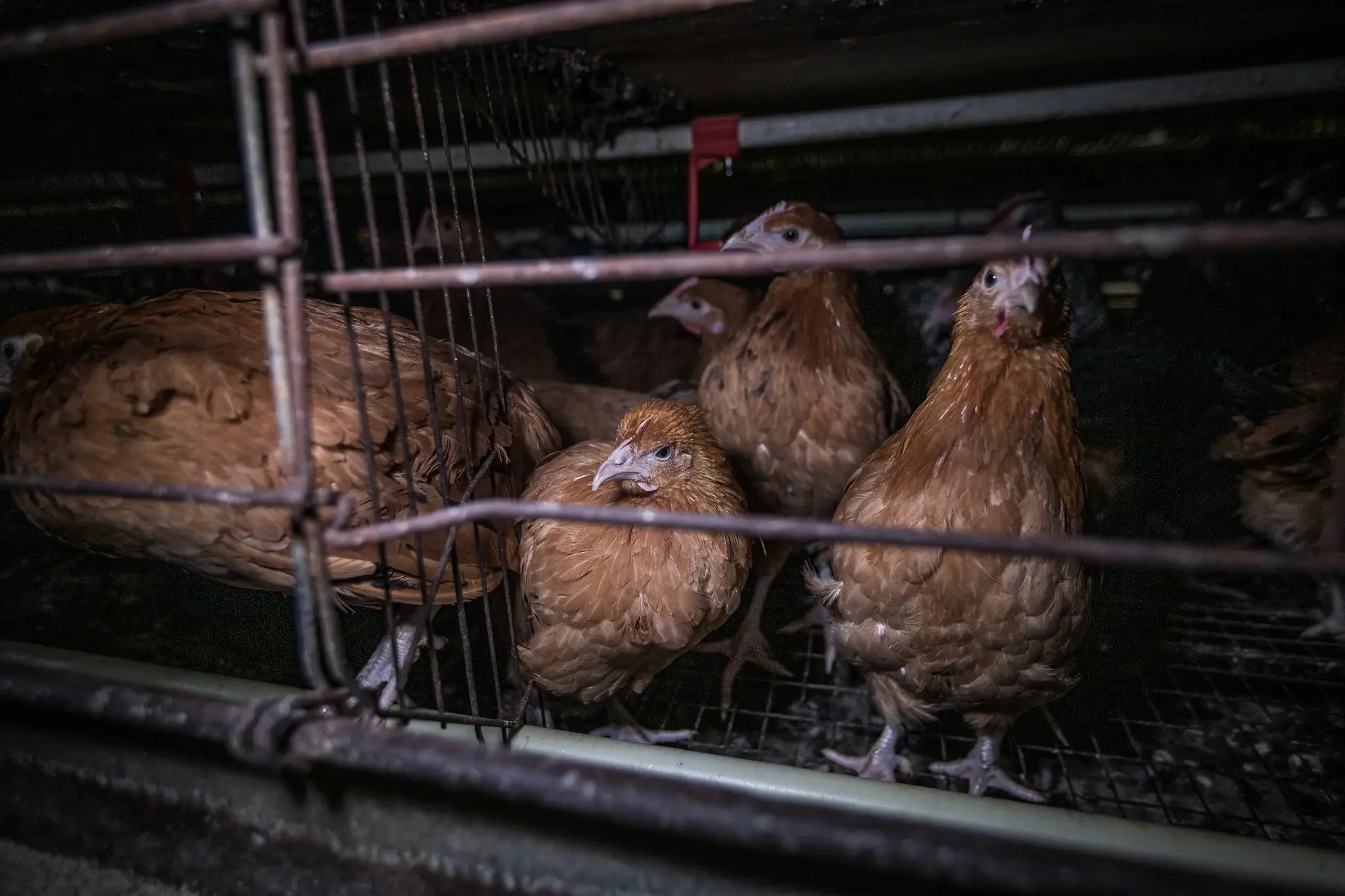
The female chicks undergo de-beaking and vaccinations before being moved to rearing facilities where they remain until they reach egg-laying maturity. De-beaking, a painful procedure performed without anesthesia, is intended to prevent the hens from injuring each other in their cramped living conditions. Once mature, these hens are transferred to laying facilities where they spend their lives in confinement, often in battery cages that restrict their movement and cause immense physical and psychological stress.
The Life of Egg-Laying Hens
Hens in the egg production industry are subjected to relentless exploitation. Genetically modified to lay an unnatural number of eggs, they suffer from various health issues, including ovarian cancer, osteoporosis and reproductive problems. The industry's practice of “forced molting”—inducing hens to lay more eggs through starvation and manipulation of lighting conditions—further adds to their suffering. Even in free-range systems, hens endure overcrowding and inadequate living conditions, which lead to ongoing physical and emotional trauma.
Image: Oikeutta eläimille “Enriched cage hen house, Southwest Finland”
The End of the Cycle: Slaughter
After approximately 18 months, when their egg production declines, hens are deemed “spent” and are removed from the cages. They are crammed into transport crates and taken to slaughterhouses. The slaughter process is brutal, often involving live shackling, stunning, and throat-slitting. This final act of cruelty ends a life characterized by relentless suffering and exploitation.
Although the elimination of male chick culling might seem like a positive change, it merely scratches the surface of a much deeper ethical quagmire within the egg industry. To truly address the moral issues, we must look beyond technological fixes and confront the broader system of exploitation and suffering.
Ethical Concerns with In-Ovo Sexing
In-ovo sexing, a technology designed to identify the sex of embryos before they hatch, addresses the immediate cruelty of culling male chicks. However, it does not resolve the fundamental ethical issues inherent in the egg industry. This technology still involves the manipulation and destruction of embryos, treating animals as mere commodities. The primary ethical issues with in-ovo sexing lie in its perpetuation of the larger system of exploitation and cruelty.
While in-ovo sexing eliminates the visible cruelty of killing live male chicks, it fails to recognize the intrinsic value of animal lives. The destruction of male embryos, although less visibly cruel, still represents a disregard for the lives of these animals. By focusing on a technological fix, the industry avoids addressing the deeper ethical problems of using animals for human purposes.
Image: Otwarte Klatki “Laying cage farms (2019)”
Conclusion
While advancements like in-ovo sexing attempt to address some ethical concerns in the egg industry, sensationalized headlines such as “The cutting-edge technology trying to save millions of male chicks from being gassed” and “A Simple New Technique Could Make Your Eggs More Humane” by major media outlets like The New York Times and Fast Company are misleading. Eliminating male chick culling doesn't make the egg industry and the consumption of eggs humane or ethical.
Technological advancements like in-ovo sexing address only the surface-level cruelties, leaving the core issue of animal exploitation untouched. True progress lies in moving away from using animals for food altogether.
Recognizing the immorality of killing baby chicks should also lead us to recognize the immorality of exploiting and killing millions of hens. Every stage of egg production inflicts suffering and denies chickens a life of dignity and freedom. By choosing not to consume eggs, you take a stand against the systemic cruelty and exploitation in the egg industry. Your choices can help create a kinder world for animals, one where they are not viewed as commodities but as beings deserving of respect and compassion.
Please leave eggs off your plate.
The Motherhood We Ignore: The Exploitation of Mother Hens in the Egg Industry
The blog post discusses the cruel treatment of female parent flocks in the egg industry, who are often subjected to inhumane conditions and never get to experience motherhood, despite the maternal instincts of hens.
Mother's Day is a time to celebrate the love, compassion, and sacrifice of mothers everywhere. A time to reflect on the role that they play in shaping our society and building a better future for all of us. We must remember, however, that not all mothers are treated with the love and respect they deserve.
According to United Nations Food and Agriculture Organization the vast majority of farmed animals, are female, and they are often subjected to unspeakable cruelty in the name of food. This includes cows used for dairy, pigs used for breeding, and of course, the layer hens used for their eggs. But it's not just the layer hens that suffer in the egg industry—it's also their mothers.
Egg industry hens are all descended from chickens in a 'parent flock' on a breeder farm. These eggs are produced solely for the purpose of producing fertilized eggs, which are sent to hatcheries. (Note: When urban farmers buy chicks, or fertilized eggs to hatch in homemade incubators, both the chicks and the eggs come from these tormented parent birds.)
"The young parent birds are confined in giant warehouses where they are bred relentlessly for the duration of their short lives. Unable to escape the shed or defend themselves against the roosters, the hens are overmounted, causing crushing injuries, broken bones, severe feather loss, painfully raw vents and distended bellies.
None of these hens will ever get to see any of her babies. Every single one of the 90 billion eggs produced annually in the US originates from a hen who has been denied the freedom to raise her young. Each year, at the end of their first laying cycle, the hens who survive the ordeal of forced insemination, are discarded and replaced with younger 'breeding stock'." (Source)
Inside a breeder farm. Watch the full video here.
The cruelties of the egg industry are not talked about in public beyond battery cages and cage-free campaigns, let alone the breeder farms, or hatcheries. Animal Liberation Victoria's Openrescue team was one of the few that went on an undercover investigation to report on the abuse and neglect of the chickens in a hatchery near Melbourne. They reported:
"We found each shed filled with exhausted, debeaked and debilitated hens suffering severe feather loss mixed together with young virile roosters.
There were no cages, all the birds were tightly packed together on metal flooring.
[...] they kill the older male birds at around 50 weeks of age and replace them with young roosters to further boost the economic productivity of the already exhausted hens."
Clip from an Australian-first investigation on a Specialised Breeders Australia (SBA) Hatchery near Bendigo, Victoria, one of the country's largest egg-layer hatcheries. (by Animal Liberation)
In Canada, the Code of Practice for the Care and Handling of Hatching Eggs, Breeders, Chickens and Turkeys sets standards for the care and handling of parent flocks. However, these standards fall far short of what any compassionate person would consider acceptable. For example, it also allows for the routine mutilation of birds' beaks, which can cause lifelong pain and suffering.
In the United States, the USDA's National Poultry Improvement Plan sets standards for the care and handling of parent flocks. However, these standards are voluntary and not enforceable by law. As a result, many parent flocks in the US are kept in appalling conditions, with birds suffering from diseases, injuries, and neglect.
Hens, like many other animals, have strong maternal instincts and are natural caregivers who will go to great lengths to protect and care for their offspring. However, in the egg industry, these instincts are ignored, and many female hens never get the chance to experience motherhood. This treatment of hens is not only cruel, but also perpetuates a cycle of exploitation and suffering in the egg industry. By consuming eggs from such systems, we contribute to a scheme that prioritizes profit over compassion and puts these sentient beings at risk.
But there are alternatives. By choosing plant-based options, we can help break this cycle of cruelty and support a more compassionate and just food system. As we celebrate Mother's Day, let's remember that all mothers deserve love, compassion, and respect—whether they are human or non-human animals. Let's work towards a future where all mothers, and all beings, can live free from harm and suffering.
Juliane Priesemeister, Executive Director
Juliane worked almost a decade for an international corporation as an information designer. Generating compelling visual stories was her daily deed, but as much as she enjoyed the creative work the big corporation environment left her hungry for substance and impact.
When she started her yoga journey a few years ago the “do no harm” philosophy pushed her to align work with her personal ethics and values. Today she uses her omnibus skill set, including marketing communications, economics, and graphic design, to reveal the truth about the egg industry to consumers.