Recipes & Resources, About Us Juliane Priesemeister Recipes & Resources, About Us Juliane Priesemeister

Best of 2024

Join us in reflecting on the progress made and the exciting future ahead.

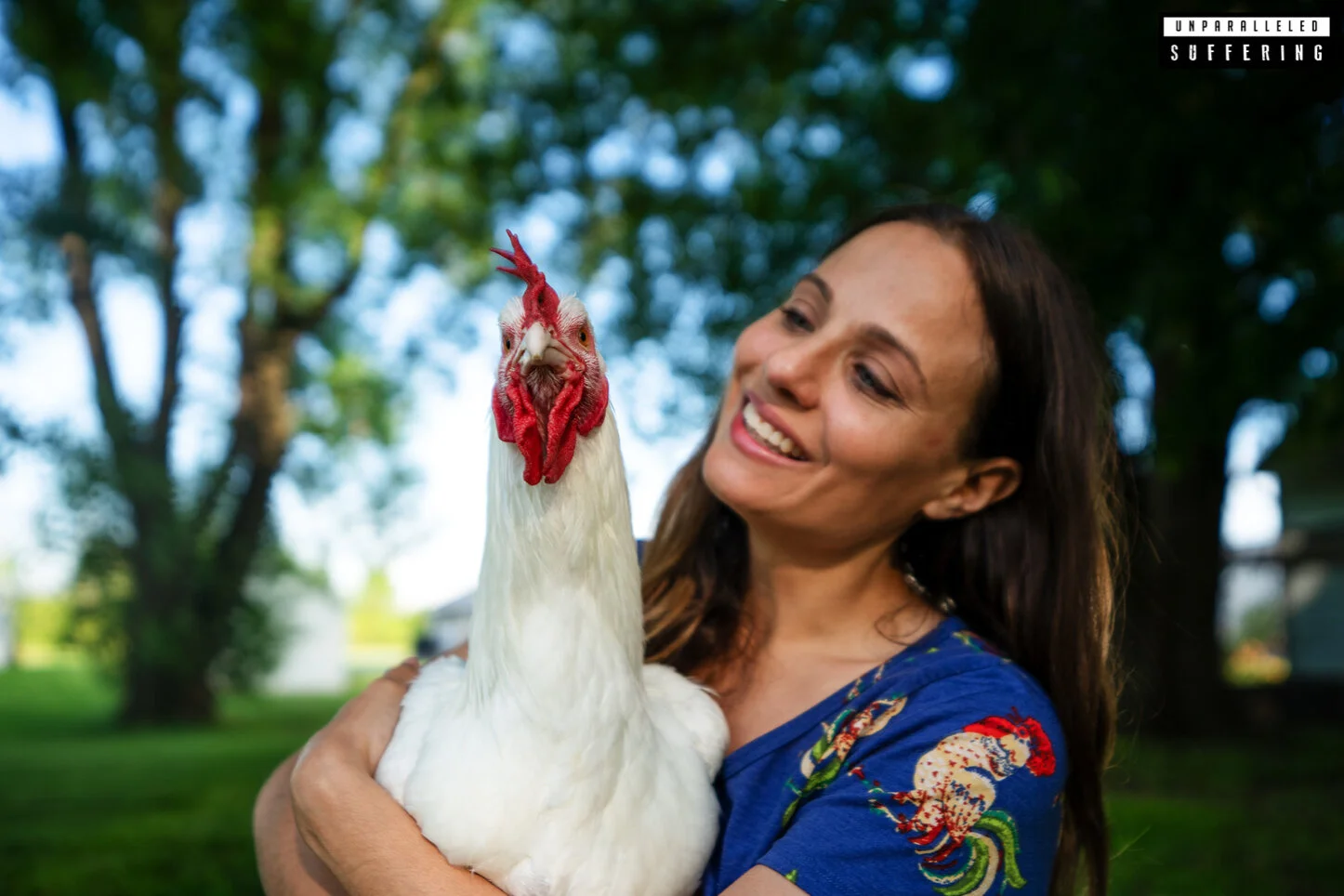
Image: WeAnimals

With bird flu leading to the mass depopulation of hens and the rise in backyard chicken keeping ignited by the pandemic, is there really anything to celebrate about eggs in 2024?

While these challenges are undeniable, the movement toward a compassionate, plant-based world is growing stronger each day. It’s clearer than ever that each of us has a role to play in creating change. From the rise of plant-based diets to growing awareness of the cruelty in the egg industry, real progress is unfolding.

Let’s take a moment to reflect on the strides we’ve made and look forward to the exciting journey ahead.

Animal Welfare Legislation Challenges

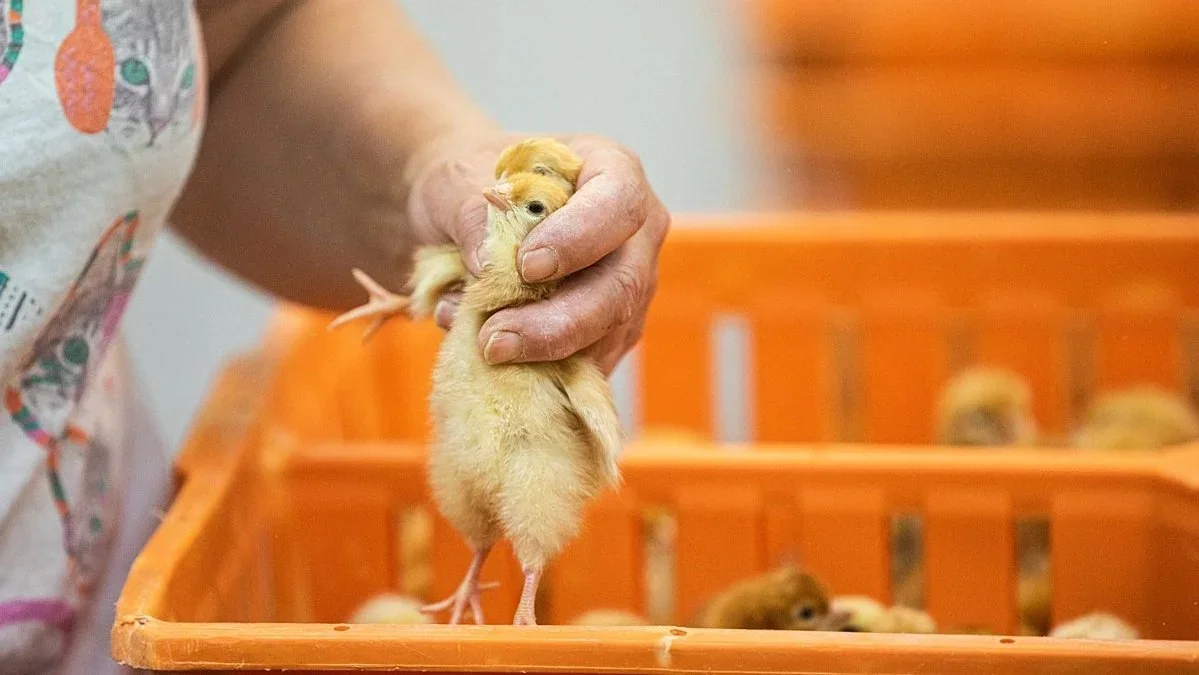
While some shifts in animal welfare legislation in 2024 are being celebrated, we must face the reality that these changes, though well-meaning, still fall short in addressing the deep-rooted issues within the egg industry. This year, attention has been placed on cage-free systems and technologies designed to reduce chick culling in hatcheries. On the surface, these might seem like steps forward, but they fail to challenge the heart of the problem: the relentless exploitation of chickens. Cage-free systems still confine hens in overcrowded, stressful environments, and male chicks—who can’t lay eggs—continue to be culled in vast numbers, regardless of technological advancements. These so-called “improvements” miss the mark because they don’t disrupt the core injustice: treating living beings as mere commodities for profit. True progress for animals means moving beyond exploitation entirely—embracing a world where no animal is harmed for food, and where industries profiting from their suffering are a thing of the past.

Animal Justice Project Activist Educating the Public During a Street Outreach in Cambridge, UK

That said, the growing awareness around the suffering of animals in the food industry is a shift worth celebrating. It’s inspiring to see more people question long-standing practices and demand better for the animals who share our world. More people than ever are talking about the realities behind their food choices, and this is just the beginning. At Egg-Truth, we want to ignite change, encouraging individuals to challenge old habits and embrace compassion. We’re excited to continue amplifying this growing wave of awareness and, together, we’ll push the conversation further—toward a future where plant-based food systems are the standard, and the exploitation of animals is a distant memory.

The Plant-based Egg Market

In the past few years, the plant-based egg alternative market has seen remarkable growth, driven by increasing consumer awareness of health, ethics, and sustainability. As more people embrace plant-based options, they are turning away from traditional egg production, which is notorious for its environmental impact—high water usage and significant greenhouse gas emissions. This shift toward more sustainable food choices presents a huge opportunity for the vegan egg market, with demand steadily rising.

Innovation has played a key role in this progress. Companies like Eat Just Inc. are creating plant-based eggs that closely resemble traditional ones in taste, texture, and functionality. Products like JUST Egg are now widely accepted and used in various dishes, while fortification with essential nutrients like Omega-3s, Vitamin B12, and iron addresses nutritional concerns. The growing availability of vegan eggs in major grocery chains and online platforms has made these alternatives more accessible, allowing even more people to incorporate them into their diets and driving the market’s expansion.

Our Work — Partnerships

One of the most invigorating parts of our work this year has been forging and strengthening partnerships with like-minded individuals and organizations. We are especially excited about the flyer project with Kerstin Brueller—now available online and completely free—that offers invaluable information about the egg industry and realistic steps toward going egg-free. Not only is it ready to print and share, but it’s also a resource that can be adapted for any form of advocacy, from street outreach to leafleting at community events and online campaigning.

This is just the tip of the iceberg. We’ve gathered a wealth of materials for everyone who wants to engage in activism, whether in their spare time or as full-time advocates. Education about the egg industry and their labels, plus practical tips on leaving eggs behind, is now more accessible than ever.

Our work with Danzig Roost, Rooster Redemption, and The Browns’ Microsanctuary has been especially close to our hearts. These three incredible organizations hold a special place for roosters, the often-overlooked victims of the egg industry. Roosters, who are discarded due to their inability to lay eggs, find a loving home in these sanctuaries. Through our collaborations, we've worked together to raise awareness about the plight of roosters, showing that their lives matter too.

And we continue to support and share content with Little Cage Fighters, whose tireless work, beautiful content, and honest advocacy continue to inspire us. Together, we are amplifying the message that no animal deserves to be mistreated or discarded.

The Year(s) Ahead

As we head into the new year, we’re gearing up for some major changes—starting with a comprehensive website redesign. This will ensure that all the hard-earned information, the personal stories, and the actionable steps are easier to find and share. We want our online home to be a welcoming, organized space that encourages engagement and makes it simple for anyone to join the movement, learn about the issues, and find support in going egg-free.

In addition, we’re planning to invest in paid content to broaden our reach beyond what we’ve achieved organically, bringing these truths to new audiences who have yet to consider how their meals affect living, feeling beings.

We’re also committed to giving our newsletter more attention. By signing up, you’ll receive updates, deeper insights, opportunities to connect, and the encouragement you need to be part of this compassionate change. Follow us on social media for daily content to be shared and engaged with.

Gratitude

None of these accomplishments would be possible without the people who keep this movement alive every single day. Change of this magnitude isn’t achieved by one voice—it’s a chorus, a community, a family. Each of you, whether you’ve shared a recipe, posted an educational link, participated in political action, or simply taken a moment to reflect on your own habits, has played a part in this progress.

We also want to thank our volunteer, Michelle Bray, who has been tirelessly ready to lend a hand. And our advisors, both old and new, who work behind the scenes to keep our content accurate, up-to-date, and meaningfully presented. Your dedication, insight, and compassion form the backbone of everything we do.

Together, we are building a safe, supportive community where our collective efforts bring us closer to a vegan world—one where all animals can live without being forced into someone’s meal plan. It’s a long road ahead, but it’s a journey worth taking as we challenge ourselves, open our hearts, and believe in a kinder world.

Now, let’s move forward and make the coming year even brighter.


Reources & Further Reading

Further Reading:

Resources:

Read More
Egg Industry Juliane Priesemeister Egg Industry Juliane Priesemeister

Eggs and Animal Abuse

For the short lives that egg-laying chickens live—usually around 2 years—their lives are stressful. The total number of chickens raised for eggs in Canada is over 25.8 million.

File 2021-10-13, 11 16 16 AM.png

With permission. Originally published by Sentient Media.

For the short lives that egg-laying chickens live—usually around 2 years—their lives are stressful. The total number of chickens raised for eggs in Canada is over 25.8 million.

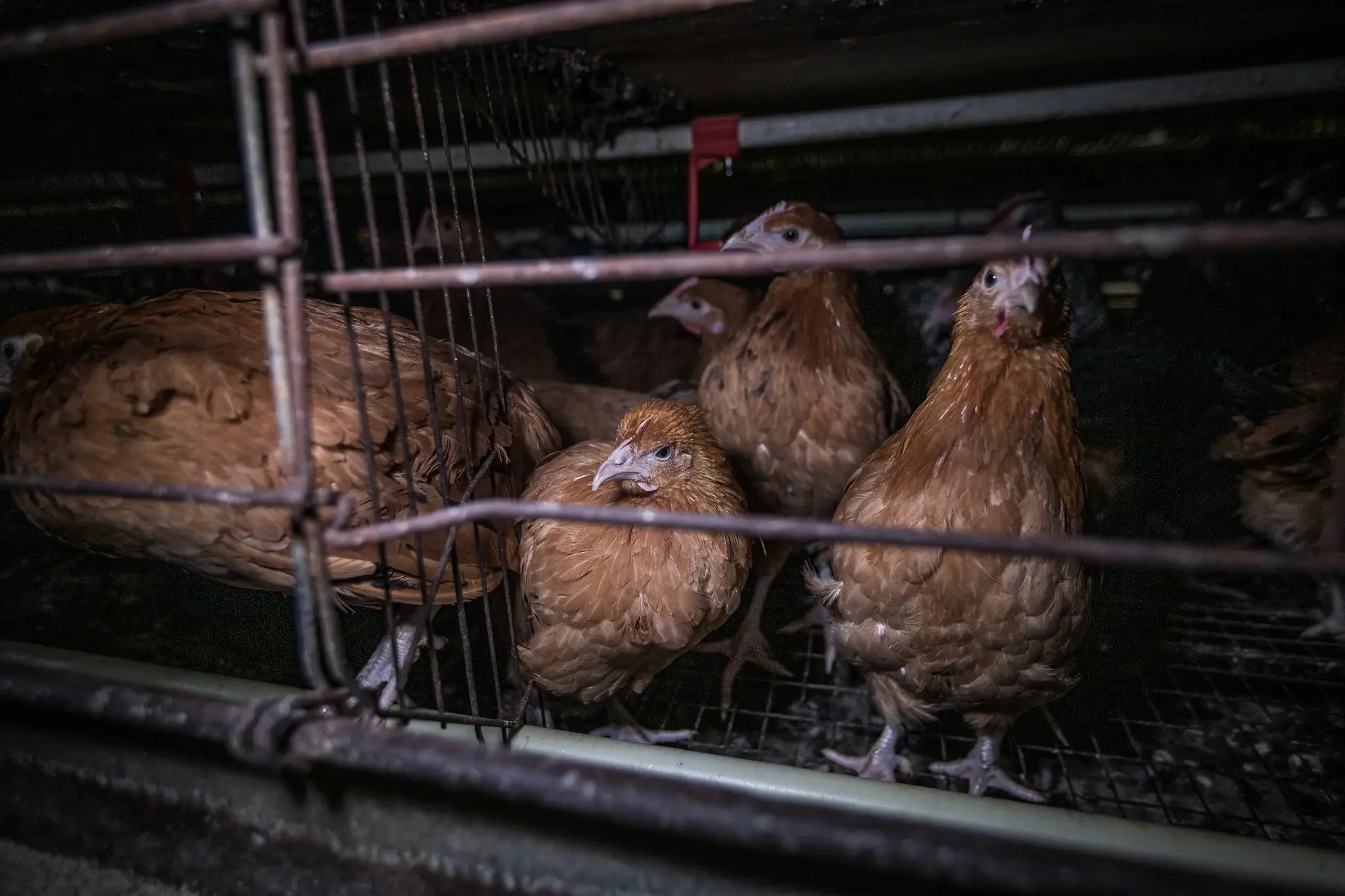
Canada has over 1,000 egg farms and hens are forced to lay approximately 320 eggs in one year. Eighty-four percent of Canadian egg-laying hens spend their entire lives in cages. Around 66 percent of caged birds are housed in conventional “battery” cages, while the remaining 18 percent are housed in “enriched” slightly larger cages. On average, each hen is given less space than a standard sheet of printed paper.

The use of battery cages is still the most common method of raising egg-laying chickens worldwide. In the countries that are part of the International Egg Commission, which includes Nigeria, the U.S., Brazil, and Germany, about 88.7 percent of hens are kept in battery cages.

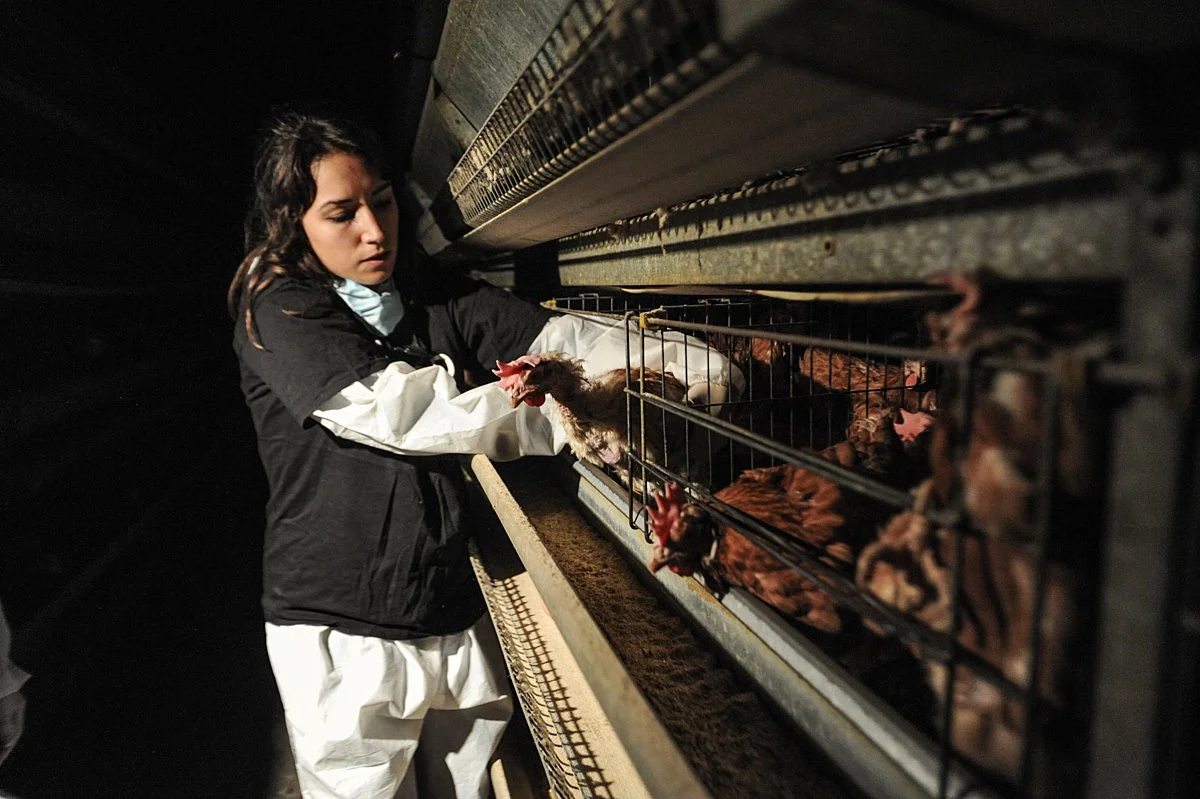
The egg production process is started by debeaking the chicks who are just a few hours or a day old. This process is done without any painkillers. Due to the pain, the chicks often are unable to eat or drink water leaving them dehydrated and starving until they heal. As there is not enough space, the hens are not able to move around or expand their wings. Additionally, they are unable to clean themselves and have no option but to sit on their urine and feces.

The male chicks born in the egg industry are regarded as waste and are discarded within hours of being born. It's a standard practice to throw them in the garbage, kill them in gas chambers, or grind them in "Macerators."

The air inside egg farming buildings is full of ammonia which is toxic for the birds and they can suffer respiratory illnesses and even die from the effects. Because the number of hens within factory farms is large, farmers are unable to keep up with the dead birds, so the surviving hens are often forced to live next to other dead hens.

Rather than the 10 to 15 eggs laid naturally in a year by red jungle fowl—the presumed ancestor of today’s domestic chicken—industrially farmed hens have been manipulated to lay more than 300 eggs per year. This is almost 30 times more than the natural amount of eggs produced by one hen.

For a more detailed record of the life of layer-hens, please visit our “Life of a Hen” page.

Please consider taking ‘Petunia’s Pledge’ below and enjoy the free live events organized by Catskill Animal Sanctuary.

Take Petnunia’s Pledge to join an online community and free live classes.

Read More
Health Juliane Priesemeister Health Juliane Priesemeister

Eggs and Health

Eggs and health - the fat and cholesterol found in eggs can harm heart health and lead to diabetes, as well as prostate and colorectal cancers.

File 2021-10-11, 6 08 46 PM.png

The fat and cholesterol found in eggs can harm heart health and lead to diabetes, as well as prostate and colarectal cancers.*

Bold claims - let’s dive into this and have a closer look at cholesterol, protein and why eggs are not the health food they are claimed to be.

Cholesterol

For almost five decades it has been conventional wisdom that dietary cholesterol should be limited. For the average person, this means consuming less than 300 mgs per day, and less than 200mg per day for hyper-responders, those with type 2 diabetes or pre-diabetes and those who are at risk of cardiovascular disease - which is most people who “expect to live past middle age”. For the record, one average-sized egg contains approximately 215 mgs of dietary cholesterol.

Despite these long-standing restrictions, a flurry of media reports recently has cited studies now claiming that dietary cholesterol does not actually increase overall cholesterol levels in the blood. These studies claim we no longer have to be concerned about these previous restrictions. In other words, feel free to eat as many eggs as you want! And, shockingly, some studies are even suggesting that eating eggs can actually reduce the risk of heart disease.

Even the United States Office of Disease Prevention and Health Promotion as far back as 2015 were advised by a panel to drop any recommendations that limit cholesterol intake. It is of particular interest to note that Dr. J. David Spence, professor of pharmacology and clinical neurology at the Robarts Research Institute, Western University in London, Ontario, Canada, has written extensively that this recommendation, has been “heavily influenced by propaganda from the egg industry”.

Protein

Some nutritionists will concede that it is just the egg yolk that should be avoided despite the industry propagating the myth that cholesterol in eggs is harmless. Nutritionists will advocate, however, for the consumption of egg whites because it is almost all protein.

While protein is essential in our diets, there is a balance between excessive and adequate. In other words, you can get too much of a good thing! IGF-1 (insulin growth factor) is a hormone in the blood that regulates the replenishment of old and dying cells with new ones in our body. Excessive protein consumption over time can elevate IGF-1 to abnormally high levels and promote cellular growth exceeding our natural requirements. Elevated levels of IGF-1 have been linked to various forms of cancer.**


To learn more about the harmful effects of egg consumption on human health, please visit our “Eggs and Our Health” page.


Please consider taking ‘Petunia’s Pledge’ below and enjoy the free live events organized by Catskill Animal Sanctuary.

Take Petunia’s Pledge to join an online community and free live classes.

Take Petunia’s Pledge to join an online community and free live classes.

Read More
Egg Industry, Environment Juliane Priesemeister Egg Industry, Environment Juliane Priesemeister

Eggs and the Environment

Eggs and the environment - a topic seldom talked about. But this overview shows that large egg farms do a number on their immediate environment and the ecosystem.

File 2021-09-28, 10 33 06 AM.png

(With permission. Originally published by Sentient Media in their Newsletter ‘100 Voices - Day 24’)

In an intensive system of farming, billions of chickens live in cramped conditions and are exploited every year for meat and egg production. This form of farming aims to keep as many birds as possible in a limited area while maximizing profits.

It is becoming increasingly acknowledged that animal agriculture is a major contributor to the climate crisis. Animal agriculture is also destroying forests, polluting rivers, and displacing communities across species.

Chicken farming’s impact on the climate is less than cattle farming’s environmental impact, however, greenhouse gas emissions (GHG) per serving of poultry are still 11 times higher than those for one serving of beans.

Egg production is no different. The impacts range from poor living conditions for the animals, poor working conditions for humans, and pollution and degradation of the environment. Recently, research published by the Journal of Cleaner Production revealed an ecological footprint from the current productive system of eggs, where every dozen eggs emit 2.7 kilograms of CO2, and approximately 196 liters of water are used to produce one egg.

Chicken meat is playing an increasingly large role in the American diet as people trade red meat for more poultry. Americans now eat more chicken per capita than beef or pork. The annual American appetite for chicken produces 129 billion lbs of CO2 emissions per year—the same amount as 12.37 million cars. Between 1981 and 2006, GHG emissions from the Canadian poultry industry increased by 40%.

Due to the rise of global demand for chicken and eggs, animal feed production must also rise. Over one-third (37%) of global soy is fed to chickens and other poultry. In 2004, the chicken farming industry utilized a total of 294 million tons of animal feed. The global poultry feed market was valued at $175.9 billion in 2018, growing at a rate of 4.5% over the forecast period.

This increased feed production has resulted in the expansion of croplands resulting in deforestation of biodiverse forests and pollution of water resources. This pollution is caused by the use of mineral fertilizers, pesticides, and herbicides. It also contributes to air pollution from nitrogen fertilizer which happens through the evaporation of ammonia.


Sentient Media’s ‘100 Voices’ Newsletter is a creation of their Social Media Fellowship program sponsored by VEGFUND.


Please consider taking ‘Petunia’s Pledge’ below and enjoy the free live events organized by Catskill Animal Sanctuary.

Take Petnunia’s Pledge to join an online community and free live classes.

Take Petnunia’s Pledge to join an online community and free live classes.

Read More
Juliane Priesemeister Juliane Priesemeister

Petunia's Pledge - From Vegetarian to Vegan In One Month

Join us from Oct-1 to Nov-1 to move to a vegan lifestyle together with the Catskill Animal Sanctuary.
File 2021-09-28, 9 05 24 AM.png

Dear vegetarians, vegan-curious, and everyone interested in a healthier and more compassionate lifestyle!

October 1st marks World Vegetarian Day. And we couldn't be more excited about people coming together to consider making lifestyle changes for the better. In partnership with Catskill Animal Sanctuary, we will guide you through a month-long information campaign about transitioning from a vegetarian lifestyle to a vegan one. 

While it’s not as simple as crossing out a few letters of a word, we’ll show you the benefits of a vegan lifestyle in hopes of getting you started on your journey to a cruelty-free diet!

The first week of the campaign will start with information about the environmental impacts of eggs. Week two will focus on the health benefits of leaving eggs off your plate. Week three will reveal the realities of egg farming from an animal welfare perspective. In week four we’ll provide additional information on how to transition to a vegan lifestyle. We’ll provide lots of resources and links for delicious, egg-free alternatives, egg-free recipes and to help with the transition!

And please consider taking ‘Petunia’s Pledge’ below and enjoy the free live events!

See you throughout October.

Sincerely,
The Egg-Truth Team


We’re going to have a lot of fun this month trying out new vegan recipes, chatting in our Facebook group about our favourite vegan cheeses — WHOA those have come a long way! — and so much more!

You can click here to view & download Petunia’s Vegan Tips & Tricks.

If you have questions, please write to my pal Heather Decker, our Communications & Retail Associate — she helps out because my handwriting is chicken scratch!

You can jump onto our Facebook group with questions too! There are lots of friendly faces there!

We’ll send you some more emails throughout the month, but don’t be shy about questions! My friends and I are here for you.

Mark your calendar for these upcoming events:

  • October 13th at 6:00 PM Vegan101 Webinar and Dinner Cookalong with Linda Soper-Kolton, Award-Winning Chef & Cookbook Author

  • October 16th at 12:00PM Vegetarian To Vegan Workshop at Catskill Animal Sanctuary: A Live Recipe Demo With Chef Linda PLUS A Tour With Sanctuary Founder Kathy, and more!

  • Cooking Classes! Pick one and get your free ticket with the code PETUNIAJUNE21

  • PLUS Virtual Sanctuary on our Facebook Page every Thursday at 1:00 PM of course! My human pals, Andrea & Lauren, are creating LOTS of amazing content. I don’t want to spoil the surprise — but you won’t want to miss it!

Thanks for taking the next step on your compassionate journey with us!

Signed,
Petunia ;)

Read More
Chickens Juliane Priesemeister Chickens Juliane Priesemeister

Robin - Rescued From The Dead

This post documents the rescue from a plastic trash bag of a “dead” chicken – a baby rooster – who was slaughtered during the ritual of Kaporos in Brooklyn, New York last fall along with thousands of other chickens.

Robin was found in a tied-up trash bag with his throat slit. Activists were documenting the aftermath of the kaporos on the morning after the final night of rituals, and they discovered one of the bags moving. They opened the bag and found Robin still alive and covered in blood among several dead birds. Robin went through the entire “sin- transferring” ritual including being swung over the participants head, then having his throat slit and being left for dead in the trash. The butcher (known as a shucat) missed his main artery, which is one of the many miracles of his story. Just minutes after they pulled him out of the trash, the garbage trucks arrived to take the bags filled with dead birds.

He was assisted by a triage team of activists and when Vanessa Dawson from Penelope’s Place showed up, she brought him to the emergency vet.

Robin was placed on oxygen, given heavy pain meds, fluids and antibiotics. He went into surgery the next day but he was given a 20% survival rate that he would live through the very risky surgery to repair his throat. When the vet called Vanessa for an update after the surgery the first words out of her mouth were “You have a miracle bird”. He recovered beautifully and now thrives at Penelope’s Place. He suffered some mental trauma from having lived through the ritual and being in the garbage bag among all of those other dead chickens. Any time that the lights went out it was as if he was back inside the bag. But he quickly learned that he was safe and loved at Penelope’s Place and the trauma symptoms subsided significantly. He turns 3 years old this month and is doing beautifully!

Unparalleled Suffering creates a documentary to report on the cruel Jewish tradition (more about that at the bottom of this page) and the unbelievable rescue of Robin.

Watch it here:


Kaporos - An Antiquated Custom

Kaporos is an antiquated custom that is sometimes referred to as Kapparot, both of which can mean “atonement,” or “scapegoat” or “sacrifice.” This is a “sin-transferring” custom in which a live animal (usually a mass-produced domesticated chicken) or money can be used. This tradition is done by some Haredi (ultra-orthdox) and Hasidic Jewish practitioners in the days and evenings leading up to the holiday of Yom Kippur, the Jewish Day of Atonement. Neither the Torah nor the Talmud - the two most holy Jewish texts - mandate or even mention Kaporos. It isn’t part of Jewish law to practice this. Certain Jewish scholars first discussed Kaporos in the ninth century. These scholars claimed that since the Hebrew word ‘gever” meant both “man” and “rooster,” punishment for the bird could be substituted for punishment of the human. Since this time, many Jewish scholars and rabbis have opposed this torturous, murderous and superstitious sin-cancellation practice. The ritual is most commonly practiced in Israel, but it also takes place in many other areas of the world - the epicenter being Brooklyn, New York and the second most popular location in the United States being Los Angeles. In Brooklyn alone, between 100,000 to 200,000 chickens are killed annually for this superstition.

For more information check this link.


Penelope's Place the Sanctuary is a non-profit Rescue and Sanctuary located in Akron, NY. Co-founders Vanessa Dawson and Steven Dawson began Penelope's Place in Brooklyn, NY and moved to the buffalo area to expand the sanctuary. The sanctuary was inspired by their first rescue Penelope the chicken. This sanctuary is her legacy. Penelope's Place is a vegan sanctuary and operates fully under those values. The animals will never be used for their eggs or meat and we also serve as a place of education about living a compassionate life towards all beings.

 
Read More