Egg Industry, Environment Juliane Priesemeister Egg Industry, Environment Juliane Priesemeister

Eggs and the Environment

Eggs and the environment - a topic seldom talked about. But this overview shows that large egg farms do a number on their immediate environment and the ecosystem.

File 2021-09-28, 10 33 06 AM.png

(With permission. Originally published by Sentient Media in their Newsletter ‘100 Voices - Day 24’)

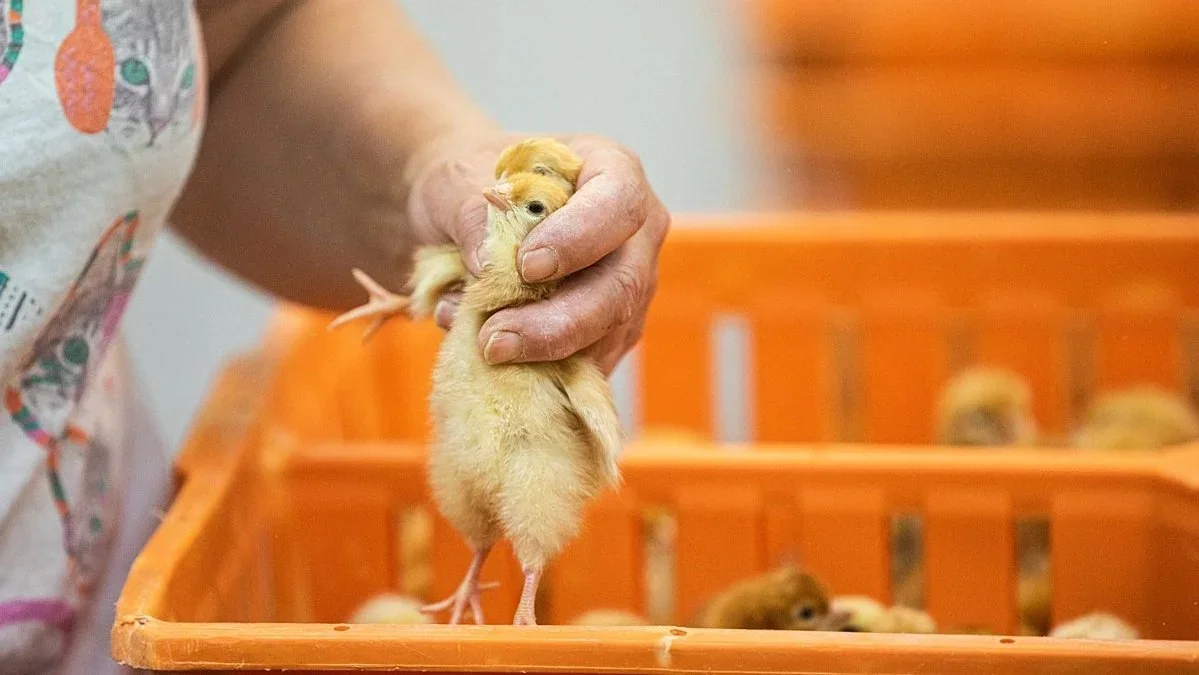
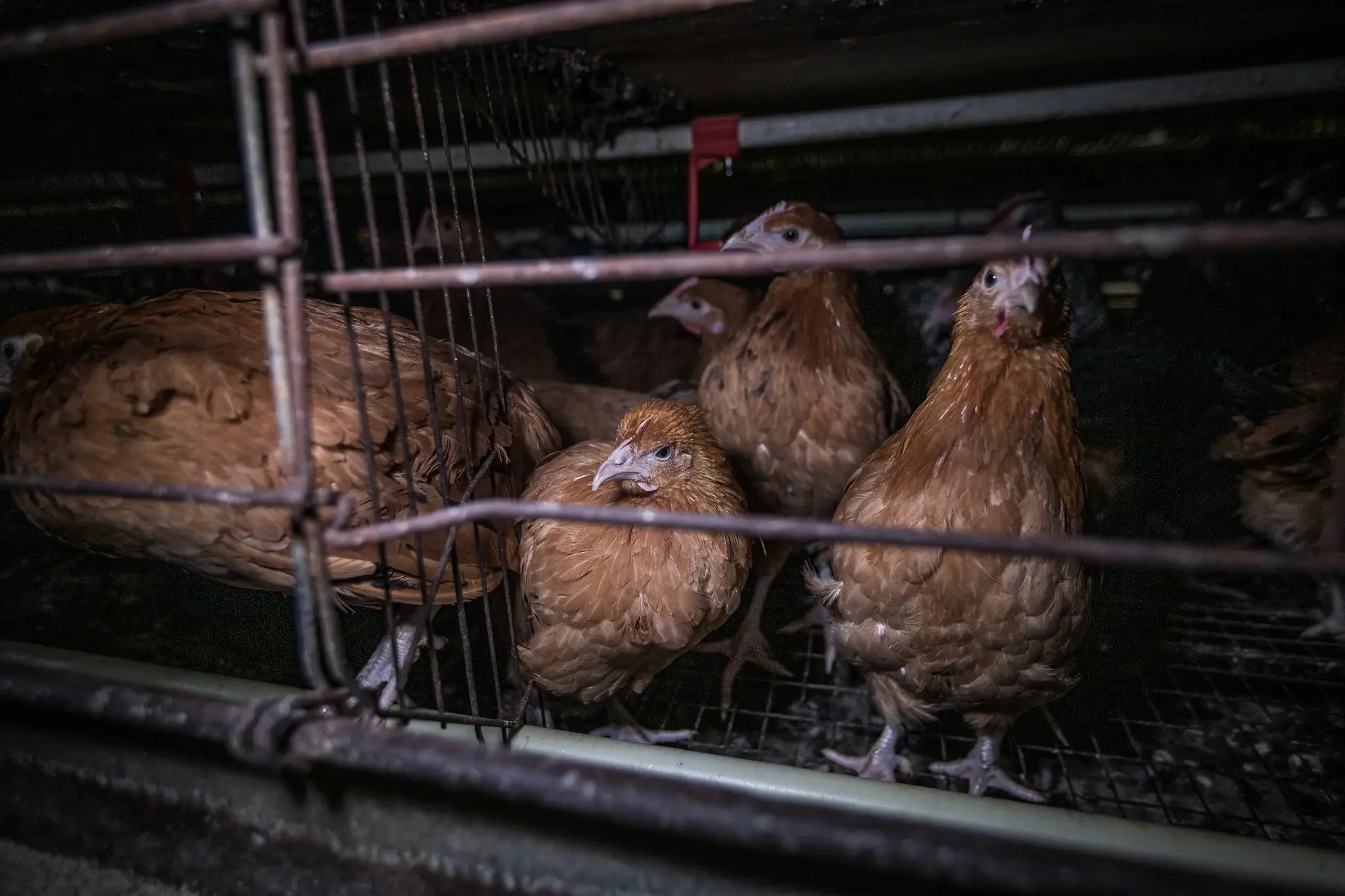
In an intensive system of farming, billions of chickens live in cramped conditions and are exploited every year for meat and egg production. This form of farming aims to keep as many birds as possible in a limited area while maximizing profits.

It is becoming increasingly acknowledged that animal agriculture is a major contributor to the climate crisis. Animal agriculture is also destroying forests, polluting rivers, and displacing communities across species.

Chicken farming’s impact on the climate is less than cattle farming’s environmental impact, however, greenhouse gas emissions (GHG) per serving of poultry are still 11 times higher than those for one serving of beans.

Egg production is no different. The impacts range from poor living conditions for the animals, poor working conditions for humans, and pollution and degradation of the environment. Recently, research published by the Journal of Cleaner Production revealed an ecological footprint from the current productive system of eggs, where every dozen eggs emit 2.7 kilograms of CO2, and approximately 196 liters of water are used to produce one egg.

Chicken meat is playing an increasingly large role in the American diet as people trade red meat for more poultry. Americans now eat more chicken per capita than beef or pork. The annual American appetite for chicken produces 129 billion lbs of CO2 emissions per year—the same amount as 12.37 million cars. Between 1981 and 2006, GHG emissions from the Canadian poultry industry increased by 40%.

Due to the rise of global demand for chicken and eggs, animal feed production must also rise. Over one-third (37%) of global soy is fed to chickens and other poultry. In 2004, the chicken farming industry utilized a total of 294 million tons of animal feed. The global poultry feed market was valued at $175.9 billion in 2018, growing at a rate of 4.5% over the forecast period.

This increased feed production has resulted in the expansion of croplands resulting in deforestation of biodiverse forests and pollution of water resources. This pollution is caused by the use of mineral fertilizers, pesticides, and herbicides. It also contributes to air pollution from nitrogen fertilizer which happens through the evaporation of ammonia.


Sentient Media’s ‘100 Voices’ Newsletter is a creation of their Social Media Fellowship program sponsored by VEGFUND.


Please consider taking ‘Petunia’s Pledge’ below and enjoy the free live events organized by Catskill Animal Sanctuary.

Take Petnunia’s Pledge to join an online community and free live classes.

Take Petnunia’s Pledge to join an online community and free live classes.

Read More
About Us Nigel Osborne About Us Nigel Osborne

Welcome to Egg-Truth!

Welcome to Egg-Truth! A website designed to educate and inform consumers, and the public at large, about the true nature of: industrialized egg production, it's affect on human health, the environment, and most importantly, the hens who endure one of the most miserable and heavily exploited existences in all of animal agriculture.

Welcome to Egg-Truth! A website designed to educate and inform consumers, and the public at large, about the true nature of industrialized egg production, it's affect on human health, the environment, and most importantly, the hens who endure one of the most miserable and heavily exploited existences in all of animal agriculture.

Some of the images and content on this web site are of a graphic nature - if you are upset by this, we are sorry. However, it is virtually impossible to tell the true story of egg production and its associated horrors without the use of still images and video. As they say, "a picture is worth a thousand words", and by extension, a video could be worth 10,000.

Often, it is human nature to avert our eyes when we see things that are upsetting, violent or graphic in nature. It is our mind attempting to avoid any potential trauma as a result of looking at unpleasant imagery. Unfortunately, given the amount of eggs consumed globally, our appetite for eggs contributes to the suffering of hens on an unprecedented scale. No animal, with perhaps the exception of chickens raised for meat, endures more suffering, qualitatively and quantitatively, than egg laying hens.

Chickens are social, intelligent and sensitive creatures who are capable of exhibiting problem solving, critical thinking, empathy and a host of other cognitive functions we normally associate with the companion animals we keep in our homes like dogs and cats. Despite this, global, industrialized egg production sees hens as merely a means to an end - a limitless supply of a commodity called: the 'egg'.

While it is true that eggs contain some goodness from a nutritional standpoint, there is nothing healthy in eggs that can't be obtained in far healthier forms of other foods where animal welfare is much less of a concern or not at all. And, many of those foods do not contain the constituents in eggs that are unhealthy and contribute over time to various diseases in humans.

Environmentally speaking, the urine, faeces, methane, ammonia and other toxic gases that are a by-product of billions of hens farmed and slaughtered annually, must be remediated. However, the soil, ground water, rivers, streams, ponds, lakes and coastal run-off areas around the world pay the price as the final destination for much of this waste - and this has a negative impact on our health and wildlife as well. Animal agriculture has become under increasing scrutiny for the amount of water and land dedicated to hydrate farmed animals and to grow food to feed billions of animals confined in feed lots, sheds and barns around the world. And this is no less of a concern with egg production as it is with other species farmed and harvested for human consumption.

We hope you find this website informative. We also hope you share it far and wide - our goal is to become the #1 destination on the web for fact-based information on global, egg production. A lofty goal no doubt, but with your help, we hope to get there one day - and the sooner the better! We intend to post regularly on our blog and our social media channels as they come on-line. So please check back with us frequently, and if you have any questions, need additional information or have suggestions for our website, don't hesitate to reach us via our Contact Us page.

Many thanks!

Photo credit banner image: Jo-Anne McArthur / We Animals

Read More