Recipes & Resources Nigel Osborne Recipes & Resources Nigel Osborne

Egg-less Egg Washing!

The above video is a great “how-to” on egg-less egg washing.

The above video is a great “how-to” on egg-less egg washing. What is egg washing? Curious Cat Bakery explains: “When you’re baking bread, the whole thing is not quite complete without that shiny, golden coat over it, right? But if you’re vegan, can you still get that look and effect without using eggs? We’re looking into that today at the Curious Cat Bakery Test Kitchen by trying out the 4 most common vegan egg wash replacements: plant milk, plant milk and agave, aquafaba and coconut oil and seeing which one works best.”

Check it out!

Read More
Egg Industry, About Us Nigel Osborne Egg Industry, About Us Nigel Osborne

Open Letter To The Ontario Legislature (Canada)

“Psychology Today” published an article, dated June 16, 2020, by Marc Bekoff, Ph.D., professor emeritus of Ecology and Evolutionary Biology at the University of Colorado
Photo: Sabrina Desgagne, taken 2018, Fearman’s pork processing facility, Burlington, Ontario. Images like these will no longer be seen by the public as a result of Bill 156.

Wednesday, June 17, 2020

Dear Ontario Member of Provincial Parliament,

“Psychology Today” published an article, dated June 16, 2020, by Marc Bekoff, Ph.D., professor emeritus of Ecology and Evolutionary Biology at the University of Colorado, Boulder, and co-founder with Jane Goodall of Ethologists for the Ethical Treatment of Animals, regarding statements made by the Ontario Federation of Agriculture. Read here: https://www.psychologytoday.com/us/blog/animal-emotions/202006/do-animals-think-or-feel

In particular, the OFA’s following statement to the Standing Committee on General Government regarding the Security from Trespass and Protecting Food Safety Act (Bill 156) as it relates to the cognitive ability of non-human animals:

"The concept of 'sentient beings' refers to beings with the power to reason and think. The term also implies beings with an awareness of their surroundings who respond to sensations, have cognitive thoughts and have the capacity to perceive and experience life subjectively. Feeling is a subjective state, available only to the animal feeling it. As animals and humans are built and function differently, it is unfair to automatically attribute the sensations experienced by humans to be the same as those experienced by animals. Humans have the ability to communicate their experiences, and what they feel. Since animals cannot communicate with us, there’s a huge assumption by animal activists that animals have emotional responses and the ability to reason and think, in the same way that humans do. We simply do not know if animals are capable of reasoning and cognitive thought, therefore we cannot attribute human qualities of reasoning and cognitive thought on animals as the activists would like."

 Mr. Bekoff rightly expressed shock and dismay at the ludicrous nature of such an assertion. The sentient nature of non-human animals is not a debatable point. Read here “The Cambridge Declaration of Consciousness”: https://www.egg-truth.com/egg-blog/2019/5/13/the-cambridge-declaration-on-consciousness

 We understand that the OFA and its members have no interest in the public ever seeing how farmed animals are genetically manipulated, routinely mutilated, altered, confined, prodded, transported and slaughtered in Ontario – this wouldn’t be good for business.

We also understand that the OFA and its members have to assume a level of extreme, cognitive dissonance on these matters to assuage any moral culpability in their collective treatment of farmed animals.

The OFA is free to live in a universe where up is down, left is right and animals are not sentient. What is most outrageous is the OFA either knowingly and willingly lied to the standing committee, or were in possession of such a level of stupidity as to warrant them from being barred from making any submissions related to farmed animal welfare in future. Any credibility they may have had in the eyes of the public should be completely shattered.

Given taxpayers money is used to subsidize and help fund an organization that attempts to fool elected officials and the public by pretending they have some unique insight into the subject at hand, is of great offense and a colossal misallocation of government funds.

Bill 156 is transparent in what it is attempting to do – deny the public from scrutinizing how our food is produced. Bill 156 has nothing to do with safety. This was an industry driven agenda and we object to the OFA attempting to ‘hoodwink’ the standing committee, and thus the public. This is a classic example of regulatory capture and an affront to democracy, free speech and the public’s right to know. For those of you who supported this bill you have succeeded in concealing animal cruelty in our food system – history will judge you, and it won’t be kind.

We look forward to future court challenges on this Bill and it’s inevitable failure.

Regards,
Nigel Osborne, Executive Dir.
Egg-Truth.com


Nigel_headshot_ET.jpg

Nigel Osborne is the Executive Dir. of Egg-Truth. Nigel has years of experience related to animal rights and on-line advocacy. Nigel's extensive background in the publishing, outdoor advertising, printing and web design industries over the last 25 years provides him with a strong, creative acumen and business management experience. Through Egg-Truth.com and it's social media channels, Nigel seeks to increase awareness among the public about global egg production and expose the conditions for the billions of hens condemned to laying every year.

Read More
About Us, Egg Industry Nigel Osborne About Us, Egg Industry Nigel Osborne

The Kerulos Center - Interview with Nigel Osborne

In their free webinar series entitled “Living One”, both Dr. Bradshaw and Dr. Elizabeth Burton-Crow talk with Founder and Executive Director, Nigel Osborne of Egg-Truth.com.

The Kerulos Center for Nonviolence is a teaching center and sanctuary. Their “School for Nature offers guidance and tools for learning how to live in peace and health in unity with Nature. The School builds on  over two decades of research and publications devoted to supporting Animal self-determination and dignity.” Their “Sanctuary and Wildlife Refuge provides dignity and lifetime care for abused and disabled Animal refugees.”

The organization is run by Dr. G.A. Bradshaw. “Gay Bradshaw holds doctorate degrees in ecology and psychology, a master’s in geophysics, and a bachelors in linguistics and Chinese. From 1992-2002, she was a research mathematician with the USDA Forest Service, holding faculty positions at Oregon State University (Departments of Computer and Electrical Engineering; Environmental Sciences Graduate Program) and at Pacifica Graduate Institute. She was a Fellow at the National Science Foundation National Center for Ecological Analysis and Synthesis (NCEAS), Santa Barbara, California, USA.

In their free webinar series entitled “Living One”, both Dr. Bradshaw and Dr. Elizabeth Burton-Crow talk with Founder and Executive Director, Nigel Osborne of Egg-Truth.com. The Living One webinar focuses on “how culture and life will look in the absence of Animal exploitation, when humans and other Animals live as one community in peace and wellness.”

To watch the full interview dated May 3, click here.

Read More
Chickens Nigel Osborne Chickens Nigel Osborne

Dr. Crow's Bird Show

We all know the eggspression: What came first, the Chicken or the Egg?

We all know the eggspression: What came first, the Chicken or the Egg? On today’s Bird Show (Apr. 7, 2020), Dr. Crow and Co-host Charlene are joined by Egg-Truth.com’s Nigel Osborne to discuss the origins of the Easter Egg. (Egg-rolling contest, anyone?) Then we’ll swoop in for a deeper look at backyard flocks and the industrial egg industry and what it all means for the modern Chicken. Finally, we’ll share some Easter craft ideas with the potential to become new fun, family traditions.

Read More
Egg Industry, Environment Nigel Osborne Egg Industry, Environment Nigel Osborne

He Told You So!

The 2020 COVID-19 pandemic has caused confusion, fear, economic uncertainty, widespread illness and death. For most of us, these are unprecedented times.

The 2020 COVID-19 pandemic has caused confusion, fear, economic uncertainty, widespread illness and death. For most of us, these are unprecedented times. This contagion even eclipses the SARS outbreak of 2003 or the recent Ebola outbreaks in West Africa. This topic dominates both mainstream and social media and has had a direct impact on each of the 7.7 billion human beings on this planet.

If you have spent anytime on social media in the last couple of weeks, it seems there is no other news. You may have also noticed conspiracy theories abound about COVID-19 from it being a ‘man-made bio-weapon’ to ‘Hollywood elites operating pedophile rings fearing impending arrest have helped to spread this virus to distract authorities’ to ‘5G wireless being the cause of COVID-19’ (we’re not making this stuff up!). Lunacy aside, what is happening is very much a teachable moment.

We have seen in the last 20 years a concerning spike in the frequency and lethality of localized, regional and global pathogens infecting and killing many people. All of these pathogens have started either from factory farmed animals or wild animals caught, traded and slaughtered for human consumption and commerce. When one considers the implication of animal agriculture on the climate, the diseases caused by excessive consumption of animal protein, fat and cholesterol and the far-reaching threats caused by pandemics, it would truly be negligent, even criminal, to continue to ignore all these warning signs as it relates to our treatment of non-human animals. In other words, we do these things at our own peril and all life on this planet. This is not hyperbole - this is a wake up call.

In 2008, Dr. Michael Greger, of Nutrition Facts, a physician, speaker, New York Times Best Selling author of How Not To Die and graduate of Cornell University College of Agriculture and Life Sciences, Tufts University School of Medicine, posted a video on “Pandemics: History & Prevention”. It is one of the most prophetic lectures in circulation. We would encourage anyone who finds this page to watch this video in its entirety. It is 1 hour and well worth the watch. Your life, literally, may depend on it.


Nigel_headshot_ET.jpg

Nigel Osborne is the Executive Dir. of Egg-Truth. Nigel has years of experience related to animal rights and on-line advocacy. Through Egg-Truth.com and it's social media channels, Nigel seeks to increase awareness among the public about global egg production, expose the conditions for the billions of hens condemned to laying every year, and reveal the true impact of egg consumption on human health.

Read More
Chickens Nigel Osborne Chickens Nigel Osborne

Gerri's Story

“Saving Gerri was, hands down, the most humbling and inspiring thing I’ve ever done in my life”. - Georgia Rae Laidlaw Brown

Gerri on her day of rescue.

Gerri on her day of rescue.

Saving Gerri was, hands down, the most humbling and inspiring thing I’ve ever done in my life.

And even as a long-term vegetarian (now vegan activist), I had no idea how intelligent and kind natured chickens could be.

The day we rescued Gerri was the day she was destined for the slaughterhouse. Her days as a commercial laying hen were over and the next step in the process was for her “to be finished” - an industry term that means: killed and sold to the public as meat!

Luckily for Gerri, and the other 200+ chickens with her that day, they were given a second chance and were re-homed.

Gerri’s life was brutal from the very beginning, and even years later I have trouble processing what had intentionally been done to her. The photo shown here is of Gerri on the day she was rescued. Until this time, she had never seen daylight, her wings and beak had been clipped and she had been laying eggs at the unnatural rate of approx. 340 eggs a year in caged isolation. This is a sad fact-of-life for chickens that is a well-kept secret from consumers.

Much of the language used to describe how animals are treated in factory farms is chosen to mislead the public and paint a picture that makes the whole process acceptable. Make no mistake, the words and images are carefully chosen. Words like, “welfare” are used to mask what is actually just varying degrees of deprivation and cruelty. The images of happy, healthy chickens we often see on egg boxes are a misrepresentation of the conditions in which chickens live. And this include eggs sold as “free-range” and “organic” which may be the most misleading of all.

But lately attitudes have been shifting. Thanks to many main-stream documentaries and under-cover videos on social media and elsewhere, more and more people are beginning to see what is going on. Every day the conditions that all animals endure on factory farms is being exposed and talked about and the truth is getting harder to hide.

Gerri gettin’ in to the cream cheeze!

So… a little more about Gerri. She is as hilarious as she is bold and brave. From her very first day with us, she has taken everything in stride. (Here she is, covered in vegan cream cheese after sharing a bagel with me!) Just look at her little face!

When we first rescued Gerri she was not going to be a house chicken. She is one today because that is what she wanted. Daily she would peck at our door asking to come inside and before we knew it, she was spending most of her day in the house with us. She does venture outside to sleep in her house, or at the bottom of the garden, and for the occasional stroll around the property.

Like many animals who are given the chance to live in a loving and nurturing environment, Gerri knows her name and she will come running to you when called.  She also likes to hang out with her cat and dog siblings and enjoys napping in the dog bed.

Gerri and her canine siblings.

Also, like everyone, Gerri is an individual with personal likes and dislikes and that extends to her food preferences. Her favourite food is mashed potato, but her preferences can change depending on her mood. Of course, she has her organic corn and pellets, but she is also partial to hummus, tomatoes, blueberries, cashew nuts, jackfruit, but not yellow peppers… she can’t stand them and will spit them out!

Gerri is my daughter, and my best friend, and I really do love her very much! She is a huge part of our family and loved completely and equally alongside the other animals (and humans!) She’s very expressive, funny and will fuss around you for attention just like the dogs do.

Gerri scoping out her sleeping arrangements.

In fact, I haven’t met anyone that hasn’t been blown away with how clever and sweet natured Gerri is – and I truly believe that all chickens have this potential, if they are only given the chance.

Gerri inspires me every day and I’m honoured to share a little more about her life and her story as well as shedding a little light on the commercial egg industry that exploits these beautiful animals.

I would encourage everyone to consider giving up eggs and going vegan. And, if your situation is right for it, rescuing an ex-commercial laying hen. You can also make a difference by donating to the various chicken rescue organisations. As individuals we can each a make huge difference.

As for Gerri, her confidence and character grows daily and I hope that her story inspires people to see what wonderful friends and family members chickens can be!

For more images and videos etc. head to: Georgia Rae Laidlaw Brown.

To learn about the true lives of the billions of hens condemned to lay in commercial, egg farms around the globe, please visit: Egg-Truth


GRB Headshot.jpg

Georgia Rae Laidlaw Brown has been vegan for 3 years and is a trained Broadcast Journalist and PR Professional. She is vegan for the animals, but also for the environment, her health and future generations.

Read More
Recipes & Resources Nigel Osborne Recipes & Resources Nigel Osborne

Mushroom Immunity Omelette

You have two recipes here. The omelette is a new recipe that features tofu and chickpea flour.

Mushroom Immunity Omelette!
Recipe courtesy of Chef Linda of Esther's Kitchen!

 
Esther's Kitchen logo.jpg
 

You have two recipes here. The omelette is a new recipe that features tofu and chickpea flour. It’s super fluffy. The immunity mushroom blend has shiitake, buttons, turmeric, garlic, liquid aminos, and red pepper flakes. “Shiitake mushroom is used for boosting the immune system, HIV/AIDS, lowering blood cholesterol levels, hardening of the arteries, diabetes, eczema, colds and flu, treating prostate or breast cancer, and as an anti-aging agent.

Mushroom Immunity Omelette
Yields: 1 large omelette (Batter can be divided in half for 2 thinner omelettes.)
Prep Time: 10 minutes
Cook Time: Approximately 20 minutes
Author: Chef Linda | Esther's Kitchen

Omelette Ingredients:
6 oz firm tofu (Slice a 12 oz block in half out of the container.)
1 Tablespoon nutritional yeast flakes
1/4 cup chickpea flour
1/2 cup plant milk of your choice
1/8 teaspoon salt
1/8 teaspoon ground turmeric
1/4 teaspoon onion granules or powder
1/4 teaspoon garlic powder
drizzle of avocado or olive oil

Immunity Turmeric Garlic Mixed Mushrooms Filling Ingredients:
2 teaspoons raw unrefined coconut oil
2 garlic cloves, sliced
6 large shiitake mushrooms, sliced
3 large white button mushrooms, sliced
1 Tablespoon Bragg liquid aminos (Soy sauce, coconut aminos or tamari sauce can be used.)
1/8 teaspoon crushed red pepper flakes, plus more to taste
A few grinds of black pepper
1/8 teaspoon ground turmeric or 1/4 to 1/2 teaspoon fresh grated turmeric root

Preparation:
Cook the mushrooms first.
1. Heat a skillet over medium heat. Add the coconut oil. Sauté the garlic for 1 minute. Add the mushrooms and remaining ingredients in the pan. Sauté for 5 minutes. Remove the mushrooms from the pan and keep them warm.

Prepare the Omelette now.
1. Add additional coconut oil in the pan and melt it over medium heat. Spread the omelette batter out to the edges of the pan. Place the lid on the pan and cook for 12 minutes over medium heat.
2. Remove the lid. Add non-dairy mozzarella shreds and half of your mushroom mixture on top of the omelette. Place the lid on to heat up the mushrooms and melt the cheese for about 2 to 3 minutes. Remove the lid and fold the omelette in half with a spatula.

ENJOY!

Read More
Health Nigel Osborne Health Nigel Osborne

Eating Eggs Promotes Atherosclerosis

Is eating eggs unhealthy? If you ask the egg industry they will say no.

Eggs cardio.jpg

Is eating eggs unhealthy? If you ask the egg industry they will say no.

But can you trust the egg industry to voluntarily reveal anything bad about their product? After all, isn’t their entire purpose to promote their members product and ensure the long-term profitability of the industry? In other words, is it not the Canadian egg farmers primary purpose to promote the virtue of eggs from a nutrition standpoint to help sway the purchasing habits of consumers?

Over the last number of years we have been flooded with media headlines about the health virtues of eggs and how cholesterol is now considered harmless. A claim that is not supported by the evidence.

“. . . food company sponsorship, whether or not intentionally manipulative, undermines public trust in nutrition science, contributes to public confusion about what to eat, and compromises Dietary Guidelines in ways that are not in the best interest of public health.
— Marion Nestle, PhD in microbiology at the University of California Berkeley and Paulette Goddard professor of nutrition, food studies and public health, emerita, New York University

But don’t take our word for it, listen to what a prominent, and truly independent, Canadian researcher says about eggs. His name is J. David Spence, M.D., FRCPC, FAHA Professor of Neurology and Clinical Pharmacology, and Director, Stroke Prevention & Atherosclerosis Research Centre, Robarts Research Institute, Western University, London, ON, Canada.

In his white paper, “Are eggs bad for heart health?”, Dr. Spence says:

“The two main pillars of the egg industry propaganda are a red herring and a half-truth: The red herring is the statement that eggs are safe because they don’t raise your fasting cholesterol by much - and that’s mostly true. Some people do get an increased fasting cholesterol more than others do, but the average increase in fasting cholsterol is about 10%. But saturated fat markedly increases the effect of dietary cholesterol fasting lipids, so bacon and eggs will raise the fasting LDL by much more. However, that’s not what matters! What matters is that for four hours after a high fat/high cholesterol meal, there is a marked increase in oxidation of LDL into the bad form (oxidized cholesterol), the arteries are twitchy (endothelial dysfunction), and the arteries are inflamed. [1, 2] Diet is not about the fasting state, it is about the fed state. The fasting LDL level is mostly determine by how much cholesterol your liver makes overnight, not by what you ate yesterday. It has been known for many years that dietary cholesterol increases coronary risk.” [3, 4]

As it relates to post-meal measurement, Dr. Naomi D.L. Fisher, Associate Professor, Harvard Medical School agrees:

“Perhaps more important, large-scale analyses have shown that non-fasting lipids don’t weaken the connection between cholesterol levels and harmful events like heart attack and stroke. In fact, post-meal measures are thought to strengthen the ability of lipid levels to predict cardiovascular risk. This observation may stem from the fact that most people eat several meals plus snacks during the day. That means we spend most of our time in a “fed” state, not a fasting state. So lipid levels after eating may best reflect our normal physiology.”

Post Prandial Cholesterol

To put it more clinically - the relevant metric to determine the impact of dietary cholesterol on the body is post-prandial, or ‘post-meal cholesterol’. The following video by Dr. Michael Greger, of Nutrition Facts, a physician, speaker, New York Times Best Selling author of How Not To Die and graduate of Cornell University College of Agriculture and Life Sciences, Tufts University School of Medicine, explains how the egg industry designs, and funds studies, to convince you cholesterol is harmless:

The cholesterol in eggs not only worsens the effects of saturated fat, but has a dramatic effect on the level of cholesterol and fat circulating in our bloodstream during the day.

Choline and Prostate Cancer

The egg industry also promotes the virtue of the choline contained in eggs for brain health. However, as Dr. Spence points out:

“Egg yolk is very high in cholesterol, and in phosphatidylcholine, which is converted by the intestinal bacteria to trimethylamine. Trimethylamine is oxidized in the liver to trimethylaime N-oxide (TMAO), which is bad for the arteries.[5] The other dietary substance that is largely responsible for formation of TMAO is carnitine, mainly from red meat.[5] Among patients referred to the Cleveland Clinic for coronary angiograms, TMAO levels were measured after a test dose of two hard-boiled eggs. Those with TMAO levels in the top quartile had a 2.5-fold increase in the 3-year risk of stroke, heart attack or vascular death.[6] Among people with impaired kidney function, high levels of TMAO make the kidneys get worse faster, and increase mortality.”[7]

High concentrations of dietary choline has other risk factors, in particular, as it relates to prostate cancer. Dr. Gregor’s video below explains both the pro-atherosclerotic and cancer risk factors associated with egg consumption:

Establishing a Proper Baseline

Egg industry advertising throughout North America generally promotes the idea that eggs are part of a healthy diet for healthy people. There are two U.S. studies, in particular, that the egg industry relies on for this claim. These two studies showed harm only among test subjects who became diabetic during followups. In other words, for those patients who became diabetic, an egg a day doubled their risk for a coronary event. But as Dr. Spence points out, “ . . . the U.S. diet is so bad that it is hard to show that anything makes it worse: the American Heart Association reported in 2015 that only 0.1% of Americans consume a healthy diet, and only 8.3% consume a somewhat healthy diet.” In other words, the American diet is so unhealthy that introducing eggs to it will have little effect.”

But take a culture where a healthy diet is fairly ubiquitous like Greece where the ‘Mediterranean diet’ is the norm, and then introduce eggs into it. That harm can easily be seen. Dr. Spence highlights that, “among Greek diabetics, an egg a day increased coronary risk 5-fold, and even 10 grams a day of egg (a sixth of a large egg) increased coronary risk by 59%.”

“The latest evidence, published recently in JAMA, is that both dietary cholesterol and egg consumption increase cardiovascular risk. In a pooled analysis of data in 29,615 Americans followed for a median of 17.5 years, there was a dose-dependent increase in cardiovascular risk with both dietary cholesterol and eggs.”[8]

Compared with the meta-analyses and reviews previously published, this report is far more comprehensive, with enough data to make a strong statement that eggs and overall dietary cholesterol intake remain important in affecting the risk of CVD and more so the risk of all-cause mortality.
— Summary, Associations of Dietary Cholesterol or Egg Consumption With Incident Cardiovascular Disease and Mortality, JAMA

Summary

To learn more about the impact of eggs on human health, we encourage you to read more here. We understand that for many people giving up, or reducing, their egg consumption could be difficult. Fortunately, there are a lot of egg-free alternatives on the market that are delicious and healthy. To learn about some of those products, check out our “egg-alternatives” page here. And if you’re stuck for recipe ideas, we have many delicious, egg and dairy-free recipes on our blog dating back a year-and-a-half. And feel free to download our 8-page booklet called, “Egg-Free, Get Started”.

Thanks for reading!


References:

  1. Spence JD, Jenkins DJ, Davignon J. Dietary cholesterol and egg yolks: Not for patients at risk of vascular disease. Can J Cardio. 2010;26(9):e336-e9

  2. Ghanim H, Abuaysheh S, Sia CL, Korzeniewski K, Chaudhuri A, Fernandez-Real JM, et al. Increase in plasma endotoxin concentrations and the expression of Toll-like receptors and suppressor of cytokine signaling-3 in mononuclear cells after a high-fat, high-carbohydrate meal: implications for insulin resistance. Diabetes Care. 2009;32(12):2281-7.

  3. Kushi LH, Lew RA, Stare FJ, Ellison CR, el LM, Bourke G, et al. Diet and 20-year mortality from coronary heart disease. The Ireland-Boston Diet-Heart Study. N Engl J Med. 1985;312(13):811-8.

  4. Shekell RB, Shryock AM, Paul O, Lepper M, Stamler J, Liu S, et al. Diet, serum cholesterol, and death from coronary heart disease. The Western Electric study. N Engl J Med. 1981;304(2):65-70.

  5. Koeth RA, Wang Z, Levison BS, Buffa JA, Org E, Sheehy BT, et al. Intestinal microbiota metabolism of l-carnitine, a nutrient in red meat, promotes atherosclerosis. Nat Med. 2013;19(5):576-85.

  6. Tang WHW, Wang Z, Levinson BS, Koeth RA, Britt EB, Fu X, et al. Intestinal Microbiota Metabolism of Phosphatidylcholine and Cardiovascular Risk. New England Journal of Medicine. 2013;368(17):1575-84.

  7. Tang WH, Wang Z, Kennedy DJ, Wu Y, Buffa JA, Agatisa-Boyle B, et al. But microbiota-dependent trimethylaimine N-oxide (TMAO) pathway contributes to both development of renal insufficiency and mortality risk in chronic kidney disease. Circ Res. 2015;116(3):448-55.

  8. Zhong VW, Van Horn L, Cornelis MC, Wilkins JT, Ning H, Carnethon MR, et al. Associations of Dietary Cholesterol or Egg Consumption With Incident Cardiovascular Disease and Mortality. JAMA. 2019;321(11):1081-95.


Nigel_headshot_ET.png

Nigel Osborne is the Executive Dir. of Egg-Truth. Nigel has years of experience related to animal rights and on-line advocacy. Nigel's extensive background in the publishing, outdoor advertising, printing and web design industries over the last 25 years provides him with a strong, creative acumen and business management experience. Through Egg-Truth.com and it's social media channels, Nigel seeks to increase awareness among the public about global egg production, expose the conditions for the billions of hens condemned to laying every year, and reveal the true impact of egg consumption on human health.

Read More
Recipes & Resources Nigel Osborne Recipes & Resources Nigel Osborne

Chickpea Omelette for Brunch!

Enjoy this flavourful Chickpea Omelette for Brunch. The cooking method is easy and is aided by a lid.
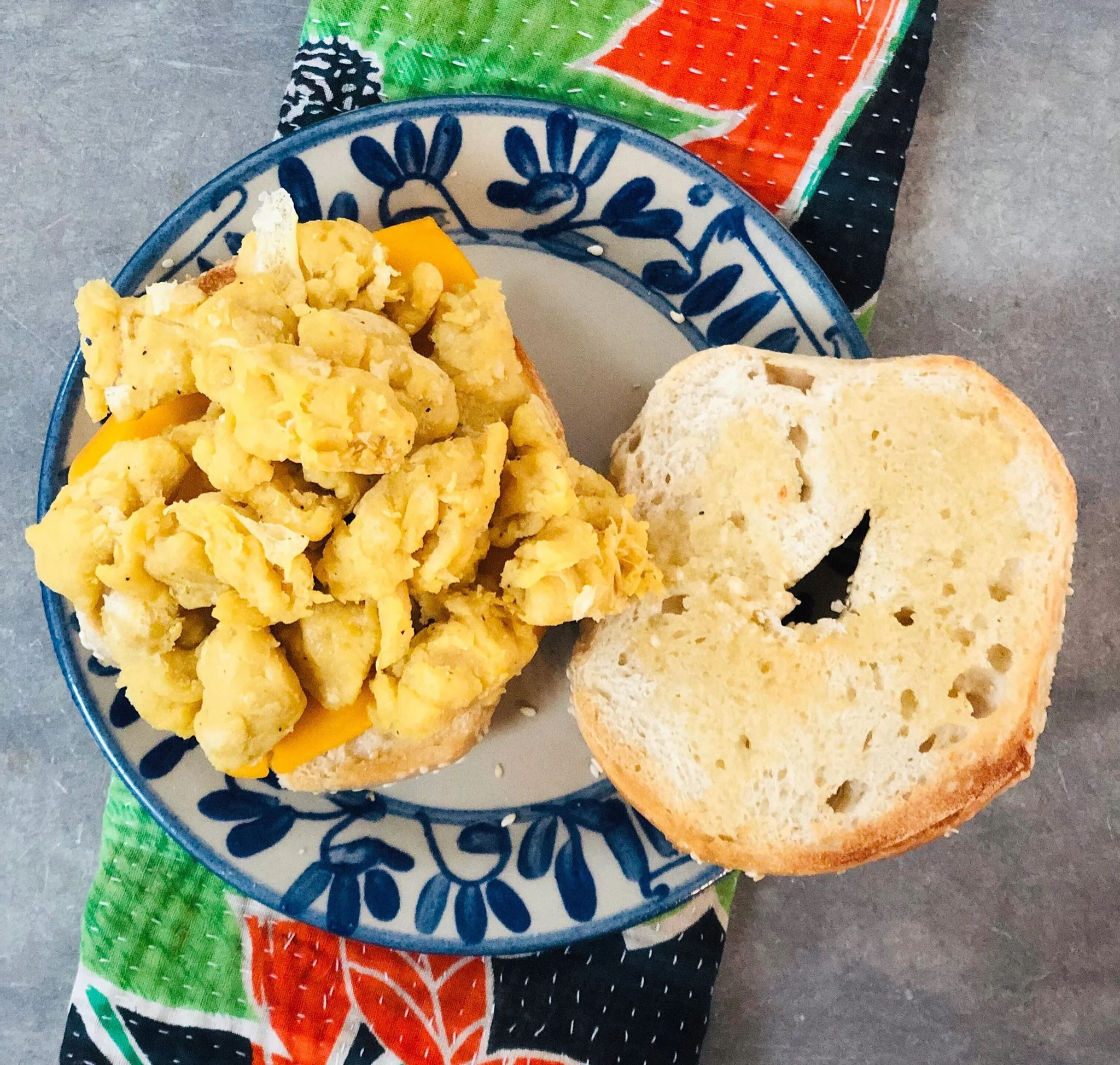
Chickpea Omelette for Brunch
Recipe courtesy of Chef Linda of Esther's Kitchen!

 
Esther's Kitchen logo.jpg
 

Enjoy this flavourful Chickpea Omelette for Brunch. The cooking method is easy and is aided by a lid. No flipping of the entire omelette is needed. Add fillings of your choice. Today’s fillings are sautéed diced bell pepper, diced onion, garlic, and jalapeño slices. The non-dairy cheddar shreds were added on top of the omelette. Then the veggies were added on the cheese. A little more cheese was added on top of the veggies. The veggie blend was cooked first before making the omelette. This recipe is soy-free, gluten-free, egg-free, Esther Approved, and vegan.

Chickpea Omelette
Prep Time: 10 minutes
Cook Time: 7 minutes without fillings
Yields: 2 omelettes
Author: Chef Linda | Esther's Kitchen

Ingredients:
1 cup chickpea flour
1 teaspoon tapioca flour
2 teaspoons potato flour
1/2 teaspoon Kala Namak salt
1 teaspoon onion powder
1 teaspoon garlic powder
1 teaspoon melted coconut oil
1/8 teaspoon ground turmeric
pinch of ground cumin
1 Tablespoon nutritional yeast flakes
1-1/4 cups water

Preparation:
1. Stir all dry ingredients in a mixing bowl first. Pour in the water. Whisk until smooth. Let the batter rest for 5 minutes.
2. Heat a nonstick pan on medium heat. Melt nondairy butter in the pan. Pour the batter in the pan. Add the lid on the pan. Begin to swirl the pan with the lid on to spread the uncooked batter to the sides. Cook for about 5-7 minutes. Once you begin to see the surface cooked, begin to loosen the sides and bottom of the omelette with a spatula. Shift the pan occasionally to loosen the omelette.
3. Add nondairy cheese or precooked vegetable fillings down the center. Fold one side of the omelette over the center. Fold the other side of the omelette onto the first folded side. Place the lid on the pan. Cook for an additional 1 minute to melt the nondairy cheese. Slide the omelette out of the pan and onto a plate.

ENJOY!

Read More
Recipes & Resources Nigel Osborne Recipes & Resources Nigel Osborne

Breakfast Bagel

This morning’s breakfast bagel sandwich features a quick and easy Chickpea Scramble with violife cheddar on a toasted sesame bagel.

Morning Breakfast Bagel
Recipe courtesy of Chef Linda of Esther's Kitchen!

 
Esther's Kitchen logo.jpg
 

This morning’s breakfast bagel sandwich features a quick and easy Chickpea Scramble with Violife cheddar on a toasted sesame bagel. The flavours of this scramble are more chickpea forward than egg. Add more Kala Namak salt at serving for a sulphuric eggy finish. The tapioca flour gives the chickpea a slight rubbery texture that’s similar to chicken eggs. There are even little crispy edges that form like the edges of fried eggs.

Breakfast Bagel
Cuisine:
Esther Approved, Egg-free, vegan
Prep Time: 15 minutes
Yields: 1 serving
Author: Chef Linda | Esther's Kitchen

Ingredients:
1/2 cup chickpea flour
1 Tablespoon tapioca flour
1/4 teaspoon Kala Namak salt, plus more to taste at serving
Dash of ground black pepper
1/2 cup water
Pat of nondairy butter for the skillet

Preparation:
1. Whisk all ingredients, except the nondairy butter, in a mixing bowl.
2. Heat a skillet on medium heat. Melt the vegan butter.
3. Pour the batter in the pan. Begin to move the batter with a spatula as if cooking scrambled eggs.
4. Cook for 5 minutes or until the pieces of chickpea scramble are fully cooked. Serve

ENJOY!

Read More
About Us, Egg Industry Nigel Osborne About Us, Egg Industry Nigel Osborne

An Interview

The Executive Director of Egg-Truth.com is interviewed by a Toronto, Canada talk show, “Calling All Vegans”.

The Executive Director of Egg-Truth.com is interviewed by a Toronto, Canada talk show, “Calling All Vegans”. Here’s what he had to say about eggs, how Egg-Truth came to be, and discusses the recent advertising campaign that took place over the course of April and May, 2019.

Read More
Egg Industry, About Us Nigel Osborne Egg Industry, About Us Nigel Osborne

Balanced Perspectives

One of the many challenges of explaining to consumers the true nature of egg production, are stories that are disseminated in the media such as this.

Watch this brief interest story on one of the largest egg farms in Ontario, Canada (click image above).

Watch this brief interest story on one of the largest egg farms in Ontario, Canada (click image above).

One of the many challenges of explaining to consumers the true nature of egg production, are stories that are disseminated in the media such as this.

Not only does it promote the idea that egg production is benign, it also becomes the unwitting, and FREE, marketing arm of the egg industry’s public relations machine. Through their contrived nutrition studies and financial capacity (some of which is subsidized by taxpayers), the egg industry already has unrivaled access and reach to manipulate public perception through their marketing and advertising initiatives.

For our efforts, we can only respond to this video story by sending a letter to “viewer mail” on their website (see below). Hopefully, this will catch someone’s eye and forward to the journalist who did the story. And maybe in the future we will have an opportunity to provide another perspective and let the public decide.

Moral and social progress is dependent entirely upon information and the news media has an obligation to provide balanced perspectives. Their complicity in doing the work of a commercial enterprise is not what real journalism is supposed to do. This type of interest story clearly panders to the demographic of their audience which is, in large part, rural. We can only presume that this ingratiates their network to potential advertisers with whom their sales department will be eternally grateful.

Thus, another example of why news departments should never be a profit center for corporate owners and shareholders.


Nigel_headshot_ET.jpg

Nigel Osborne is the Executive Dir. of Egg-Truth. Nigel has years of experience related to animal rights and on-line advocacy. Nigel's extensive background in the publishing, outdoor advertising, printing and web design industries over the last 25 years provides him with a strong, creative acumen and business management experience. Through Egg-Truth.com and it's social media channels, Nigel seeks to increase awareness among the public about global egg production and expose the conditions for the billions of hens condemned to laying every year.

Read More
Recipes & Resources Nigel Osborne Recipes & Resources Nigel Osborne

Easy One-Bowl American Pancakes

These simple vegan pancakes can be mixed up in just one bowl – perfect for a relaxing, egg-free breakfast.

These simple vegan pancakes can be mixed up in just one bowl – perfect for a relaxing, egg-free breakfast. Serve them hot and fresh in a stack with your favorite toppings.

Ingredients:
Dry:
150g plain flour (aka all-purpose flour)
1 tablespoon ground flax seeds
1 tablespoon soft brown sugar
1 teaspoon baking powder
1/8th teaspoon salt
Wet:
225g soy milk
50g light olive oil
To fry:
1-2 tablespoons dairy-free margarine

Instructions:
1. Place all of the dry ingredients in a bowl and mix until evenly distributed.
2. Add the wet ingredients and stir until smooth. Do not stir any longer
than needed to form a smooth batter. Over-mixing pancakes makes them
tough. Set your batter aside for about ten minutes to thicken.
3. Add a tablespoon of margarine to a large frying pan and heat until
it’s sizzling and steaming. Add ¼ cup portions of the batter to form
each pancake – leaving space between them as they will expand a bit.
4. When the tops of the pancakes start to bubble all over, flip them and
cook until the other side is golden. Add more margarine as needed. If
you want a richer, more buttery flavor, use the margarine generously.
5. Serve fresh and hot with your favorite toppings.

ENJOY!


Ben.jpg

Ben is a food lover and keen cook who has gone vegan. In 2018 he launched Vegan Recipe Bowl, a rapidly expanding resource for anyone who's looking to include more plant-based foods in their daily life. His mother – who worked as a chef for many years – has been a huge influence on Ben’s love for good food and teaching him how to cook and develop recipes. He also brings to his blog a background in chemistry to allow him to dig deep into the task of re-imagining traditional recipes with 100% plant-based ingredients.

Read More
Recipes & Resources Nigel Osborne Recipes & Resources Nigel Osborne

3 Pepper Onion Omelette

3 Pepper and Onion Omelette.. Recipe by Chef Linda of Esther's Kitchen.

3 Pepper Onion Omelette
Recipe courtesy of Chef Linda of Esther's Kitchen!

 
Esther's Kitchen logo.jpg
 

The 3 peppers are 2 jalapeños, 1 orange bell pepper, 1 poblano pepper and 1/2 medium yellow onion that were sautéed before making the omelette. This batter makes a tofu egg scramble or an omelette. The texture of the tofu egg omelette is light and fluffy. The everything bagel is by O’Doughs. The Canadian style bacon is by Yves veggie cuisine. Both products are available in Canada and the US.

Omelette Batter
Cuisine: Esther Approved, Egg-free, Gluten-free, Vegan, Paleo
Prep Time: 15 minutes
Yields: 2 cups batter/2 servings (1 cup per serving)
Author: Chef Linda | Esther's Kitchen

Batter Ingredients:
1 lb (454g) organic firm tofu, refrigerated and water drained out
3 Tablespoons nutritional yeast
3 tablespoons potato starch
1 teaspoon Adobo seasoning, optional if you don’t have it on hand
1/4 teaspoon garlic powder
1/4 teaspoon onion powder
2 shakes turmeric powder, used for color, omit if you don’t have it
1/4 teaspoon kala namak salt for eggy taste (add more at serving)

Other Ingredients:
Cooking spray or vegan butter for pan

Preparation:
1. Add all batter ingredients in a blender. Blend on low until combined. Pour out a 1 cup measure for each omelette.
2. To make a Tofu Omelette, heat a nonstick skillet on medium-high heat. Add non-dairy butter in the pan to coat the bottom. Pour the 1 cup batter in the center of the pan. Smooth out to an 8” circle. Cook for 1 minute then turn the heat down to medium. Cover the pan with a lid. Shift the pan over the burner to prevent any sticking. Cook the omelette for about 5 minutes on one side or until surface is cooked. Flip the omelette over. Add non-dairy cheese and sautéed peppers, onions or uncooked baby spinach. Fold the omelette over and cook for about 30 seconds until the nondairy cheeze melts. Serve
3. To make a scramble, follow the above directions and cook the omelette uncovered for 3 minutes. Begin to scramble the omelette. Cook until the scramble texture is desired. Add non-dairy cheese and spinach or other veggies. Serve
4. Refrigerated any leftover batter in the refrigerator for 2 days.

ENJOY!

Read More
Recipes & Resources Nigel Osborne Recipes & Resources Nigel Osborne

Eggless Salad

Eggless Salad. Recipe by Chef Linda of Esther's Kitchen.

Eggless Salad
Recipe courtesy of Chef Linda of Esther's Kitchen!

 
Esther's Kitchen logo.jpg
 

Here’s an easy Tofu Egg Salad that features Aquafaba Mayo. It’s so good served on a bed of lettuce or in a sandwich. Use a store bought egg-free mayo or make your own Aquafaba Mayo.

Cuisine: Esther Approved, egg-free, gluten-free, contains soy
Prep Time: 10 minutes
Yields: 1 lb 2 oz
Author: Chef Linda | Esther's Kitchen

Ingredients:
14 oz (397g) package organic firm tofu, drained
1/3 cup egg-free mayo of your choice
1/2 teaspoon onion powder * 1/4 teaspoon garlic powder
1-1/2 teaspoons yellow mustard or Dijon mustard
1 teaspoon nutritional yeast
1/2 teaspoon Kala Namak black salt for eggy taste or sea salt, to taste
1/8 teaspoon coarse ground black pepper or to taste
1/8 teaspoon turmeric powder for colour

Preparation:
1. Slice the tofu in thirds lengthwise. Lay the pieces between a towel. Press them to remove most of the water.
2. Roughly chop the tofu in a mixing bowl with a knife to resemble chopped hard boiled eggs. Stir in the remaining ingredients.
3. Spread the Tofu Egg Salad on bread, toast, bagels or serve on a bed of lettuce greens.
4. Refrigerate the salad for up to 2 days in a sealed container. Stir before serving.
5. Make the aquafaba mayo.

ENJOY!

Read More
Recipes & Resources Nigel Osborne Recipes & Resources Nigel Osborne

Aquafaba Mayo

Aquafaba Mayo. Recipe by Chef Linda of Esther's Kitchen.

Aquafaba Mayo
Recipe courtesy of Chef Linda of Esther's Kitchen!

 
Esther's Kitchen logo.jpg
 

Refrigerate the liquid left over from canned or home cooked white beans and chickpeas. This bean juice is called Aquafaba. It’s delicious as a mayo. Adjust the salt, vinegar and sweetener to your taste.

Aquafaba Mayo
Cuisine: Esther Approved, Egg-free, Gluten-free, Vegan, Paleo
Prep Time: 10 minutes
Yields: 1-1/2 cups
Author: Chef Linda | Esther's Kitchen

Ingredients:
6 Tablespoons refrigerated bean juice (Aquafaba ) from 15 oz can of butter beans, great Northern beans, chickpea/garbanzo, or cannellini beans
1/2 teaspoon salt * 1 teaspoon golden light agave or maple syrup
1 Tablespoon apple cider vinegar
1 cup organic sunflower oil or other neutral oil

Preparation:
1. Add the cold bean juice in a tall jar. Use a hand immersion blender to blend the bean juice on high until it turns opaque white and fluffy, about 2 minutes.
2. Add in the salt, sweetener, and vinegar. Continue to blend with the immersion blender and slowly start drizzling the oil in stages while you blend. The mayo will begin to thicken in about 1 minute. Blend for 1 more minute on high.
3. Transfer the Aquafaba Mayo in a sealed jar. Refrigerate up to 1-2 weeks.

Notes:
1. The mayo will thicken more in the refrigerator.
2. Remove any bean bits from the Aquafaba.
3. Electric hand mixers can be used if you don’t have a hand immersion blender. The blending container works best if it’s a jar and not a bowl. Use the whisk attachment of the electric mixer or one beater.
4. If you wish to have an eggy taste to your mayo, add a pinch of Kala Namak salt at serving. The sulphuric aroma will dissipate and will not stay in your mayo for an extended period. Use regular sea salt or pink Himalayan salt in the recipe.

ENJOY!

Read More
Recipes & Resources Nigel Osborne Recipes & Resources Nigel Osborne

Tofu Scramble and Omelette Batter

Tofu Scramble and Omelette Batter. Recipe by Chef Linda of Esther's Kitchen.

Tofu Scramble and Omelette Batter
Recipe courtesy of Chef Linda of Esther's Kitchen!

 
Esther's Kitchen logo.jpg
 

Note from Chef Linda: A constant focus on the products we share here is the availability to everyone on a global scale. Does everyone have access to the commercially made egg substitutes globally? The answer is no. When I switched to an Esther Approved lifestyle, the only product that was available locally for me was the Ener G egg replacer. I used it in baking. It’s not an egg substitute that makes omelettes or scrambles. I started to get serious and experiment with silken tofu and chickpea flour for scrambles and omelettes when I was diagnosed with my egg allergies 8 years ago. I rarely made or ate tofu scrambles or omelettes because I was eating chicken eggs as a vegetarian at the time. Chicken eggs were creating inflammation in my body. I also developed an allergy to the proteins in eggs. Some of the ingredients in this recipe should be available online if you can’t find them locally. This batter makes a tofu egg scramble or an omelette. The texture of the tofu egg scramble is light and fluffy.

Tofu Scramble and Omelette Batter
Yields: 2 cups batter/2 servings (1 cup per serving)
Author: Chef Linda | Esther's Kitchen

Batter Ingredients:
1 lb (454g) organic firm silken tofu, refrigerated or shelf stable type, drain water out of the package
3 Tablespoons nutritional yeast
3 tablespoons potato starch
1 teaspoon Adobo seasoning, optional if you don’t have it on hand
1/4 teaspoon garlic powder
1/4 teaspoon onion powder
2 shakes turmeric powder, used for color, omit if you don’t have it
1/4 teaspoon kala namak salt for eggy taste (add more at serving.)
Cooking spray or vegan butter for pan

Preparation:
1. Add all Batter Ingredients in a blender. Blend on low until combined. Pour out a 1 cup measure.
2. To make a Tofu Omelette, heat a nonstick skillet on medium-high heat. Spray the pan with cooking spray. Pour the 1 cup batter in the center of the pan. Smooth out to an 8” circle. Cook for 1 minute then turn the heat down to medium. Cover the pan with a lid. Cook the omelette for about 5 minutes on one side or until surface is cooked. Add nondairy cheese and fresh baby spinach. Fold the omelette over and cook for about 30 seconds. Serve
3. To make a scramble, follow the above directions and cook the omelette uncovered for 3 minutes. Begin to scramble the omelette. Cook until the scramble texture is desired. Add nondairy cheese and spinach. Serve
4. Refrigerated any leftover batter in the refrigerator for 2 days.

ENJOY!

Read More
Philosophy, Egg Industry, Chickens Nigel Osborne Philosophy, Egg Industry, Chickens Nigel Osborne

The Cambridge Declaration on Consciousness

We have decided to publish, in it’s entirety, The Cambridge Declaration on Consciousness (“CDC'“). What is this declaration and what does it mean?

Photo credit: We Animals

We have decided to publish, in it’s entirety, The Cambridge Declaration on Consciousness (“CDC'“).

What is this declaration and what does it mean? This was a document signed in 2012 by “an international group of prominent scientists, led by computational neuroscientist and neurophysiologist Dr. Philip Low, . . . . . in which they are outlining convergent evidence indicating that non-human animals have the neuroanatomical, neurochemical, and neurophysiological substrates of conscious states along with the capacity to exhibit intentional behaviors, and consequently discarding the notion that humans are unique in possessing the neurological substrates of consciousness. Stephen Hawking was the guest of honor at the signing ceremony”.1

The CDC, in essence, rejects the view of French philosopher René Descartes (1596 - 1650) in which he, “maintained that animals cannot reason and do not feel pain; animals are living organic creatures, but they are automata, like mechanical robots. Descartes held that only humans are conscious, have minds and souls, can learn and have language and therefore only humans are deserving of compassion.”2

Reading Descarte’s views on animals may come as a surprise to many. Anyone who has ever interacted with nonhuman animals knows they are conscious, they do feel pain and have emotions - this observational evidence is easily and quickly discernible. Nonetheless, Descartes’ views heavily influenced humanities perspective of non-human animals including within the scientific and legal communities for centuries. It is fair to say that this view of non-human animals pre-existed Descartes, it was those ancient philosophers who provided Descartes with the foundation he needed.

As such, Steven Wise, an Amercian legal scholar and head of the NonHuman Rights Project, once said, “For four thousand years, a thick and impenetrable legal wall has separated all human from all nonhuman animals. On one side, even the most trivial interests of a single species — ours — are jealously guarded. We have assigned ourselves, alone among the million animal species, the status of "legal persons." On the other side of that wall lies the legal refuse of an entire kingdom, not just chimpanzees and bonobos but also gorillas, orangutans, and monkeys, dogs, elephants, and dolphins. They are "legal things." Their most basic and fundamental interests — their pains, their lives, their freedoms — are intentionally ignored, often maliciously trampled, and routinely abused.”

This is why the CDC is such an important moment in science and for nonhuman animals. It is a formal rebuke of centuries of collective cognitive dissonance among the sciences and moral philosophy. Disciplines, ironically, in which one might consider cognitive dissonance antithetical to the intellectual rigours and disciplines of reason and logic required by these otherwise noble human pursuits.

But what also caught our eye upon reading the CDC, is the following sentence: “Birds appear to offer, in their behavior, neurophysiology, and neuroanatomy a striking case of parallel evolution of consciousness.”

Please read the declaration. We also provide a link to download the declaration as a PDF.


The Cambridge Declaration of Consciousness

On this day of July 7, 2012, a prominent international group of cognitive neuroscientists, neuropharmacologists, neurophysiologists, neuroanatomists and computational neuroscientists gathered at The University of Cambridge to reassess the neurobiological substrates of conscious experience and related behaviors in human and non-human animals. While comparative research on this topic is naturally hampered by the inability of non-human animals, and often humans, to clearly and readily communicate about their internal states, the following observations can be stated unequivocally:

  • The field of Consciousness research is rapidly evolving. Abundant new techniques and strategies for human and non-human animal research have been developed. Consequently, more data is becoming readily available, and this calls for a periodic reevaluation of previously held preconceptions in this field. Studies of non-human animals have shown that homologous brain circuits correlated with conscious experience and perception can be selectively facilitated and disrupted to assess whether they are in fact necessary for those experiences. Moreover, in humans, new non-invasive techniques are readily available to survey the correlates of consciousness.

  • The neural substrates of emotions do not appear to be confined to cortical structures. In fact, subcortical neural networks aroused during affective states in humans are also critically important for generating emotional behaviors in animals. Artificial arousal of the same brain regions generates corresponding behavior and feeling states in both humans and non-human animals. Wherever in the brain one evokes instinctual emotional behaviors in non-human animals, many of the ensuing behaviors are consistent with experienced feeling states, including those internal states that are rewarding and punishing. Deep brain stimulation of these system in humans can also generate similar affective states. Systems associated with affect are concentrated in subcortical regions where neural homologies abound. Young human and nonhuman animals without neocortices retain these brain-mind functions. Furthermore, neural circuits supporting behavioral/electrophysiological states of attentiveness, sleep and decision making appear to have arisen in evolution as early as the invertebrate radiation, being evident in insects and cephalopod mollusks (e.g., octopus).

  • Birds appear to offer, in their behavior, neurophysiology, and neuroanatomy a striking case of parallel evolution of consciousness. Evidence of near human-like levels of consciousness has been most dramatically observed in African grey parrots. Mammalian and avian emotional networks and cognitive microcircuitries appear to be far more homologous than previously thought. Moreover, certain species of birds have been found to exhibit neural sleep patterns similar to those of mammals, including REM sleep and, as was demonstrated in zebra finches, neurophysiological patterns, previously thought to require a mammalian neocortex. Magpies in particular have been shown to exhibit striking similarities to humans, great apes, dolphins, and elephants in studies of mirror self-recognition.

  • In humans, the effect of certain hallucinogens appears to be associated with a disruption in cortical feedforward and feedback processing. Pharmacological interventions in nonhuman animals with compounds known to affect conscious behavior in humans can lead to similar perturbations in behavior in non-human animals. In humans, there is evidence to suggest that awareness is correlated with cortical activity, which does not exclude possible contributions by subcortical or early cortical processing, as in visual awareness. Evidence that human and nonhuman animal emotional feelings arise from homologous subcortical brain networks provide compelling evidence for evolutionarily shared primal affective qualia.

We declare the following: “The absence of a neocortex does not appear to preclude an organism from experiencing affective states. Convergent evidence indicates that non-human animals have the neuroanatomical, neurochemical, and neurophysiological substrates of conscious states along with the capacity to exhibit intentional behaviors. Consequently, the weight of evidence indicates that humans are not unique in possessing the neurological substrates that generate consciousness. Nonhuman animals, including all mammals and birds, and many other creatures, including octopuses, also possess these neurological substrates.”

* The Cambridge Declaration on Consciousness was written by Philip Low and edited by Jaak Panksepp, Diana Reiss, David Edelman, Bruno Van Swinderen, Philip Low and Christof Koch. The Declaration was publicly proclaimed in Cambridge, UK, on July 7, 2012, at the Francis Crick Memorial Conference on Consciousness in Human and non-Human Animals, at Churchill College, University of Cambridge, by Low, Edelman and Koch. The Declaration was signed by the conference participants that very evening, in the presence of Stephen Hawking, in the Balfour Room at the Hotel du Vin in Cambridge, UK. The signing ceremony was memorialized by CBS 60 Minutes.

Download: The Cambridge Declaration on Consciousness.pdf

Footnotes:

  1. http://www.rawscience.tv/the-cambridge-declaration-on-consciousness/

  2. http://www.animalethics.org.uk/descartes.html


Nigel_headshot_ET.jpg

Nigel Osborne is the Executive Dir. of Egg-Truth. Nigel has years of experience related to animal rights and on-line advocacy. Nigel's extensive background in the publishing, outdoor advertising, printing and web design industries over the last 25 years provides him with a strong, creative acumen and business management experience. Through Egg-Truth.com and it's social media channels, Nigel seeks to increase awareness among the public about global egg production and expose the conditions for the billions of hens condemned to laying every year.

Read More
Egg Industry, About Us, Cage-free Eggs Nigel Osborne Egg Industry, About Us, Cage-free Eggs Nigel Osborne

Our Position on Cage Free Initiatives

Single-issue campaigns, such as cage-free initiatives, have long been a focus of many animal rights organizations like HSUS.

Photo credit: HSUS

The Humane Society of the United States recently announced what they claim is a huge victory for caged hens in the state of Washington.


Single-issue campaigns, such as cage-free initiatives, have long been a focus of many animal rights organizations like HSUS. There is no doubt living on litter (assuming it is dry and properly cycled) vs. a wire floor for 18 months is less cruel. However, some “free-range” environments still use metal or wire flooring to allow urine and faeces to pass through into the manure pits below (see image below). Nonetheless, caged environments generally tend to provide hens the living space of about 8.5” x 11”. Cage-free environments could potentially give a hen about the equivalent of 12” x 12”.

The method of housing depicted above is considered by many as “free-range”.

However, what is the data showing us as to the effectiveness of these campaigns and are they really a victory for hens forced to endure endless egg laying?

Flock sizes and egg consumption in the U.K., Canada and the United States in 2017 and 2018 are at their highest levels in history and will continue to grow due to demand. As the general public are largely ignorant of standard practices in the egg industry, cage-free initiatives wrongly focus public attention on only one of the many cruel aspects of egg production - the laying phase. Given the general public already does not see the same moral imperative on the issue of egg laying hens with, say, animals used for meat, cage-free initiatives reinforce this false notion and helps to remove any ethical concerns the public may have once had about eggs. And if you doubt this, just read some of the comments on HSUS’s Facebook page as it relates to this “victory” (see below).

Comment_1.png
Comment_2.png
Comment_4.png
Comment_5.png

And the reality is, for cage-free farms to remain economically competitive in the early days of transition, they will have to increase their stocking densities and/or increase the number of hens per barn. And these hens will still be subject to many of the same illnesses and disease that afflict caged hens. And possibly a few more they wouldn’t have had in a caged environment.

The argument that "cage-free" will increase the price of eggs and thus drive down consumption is not necessarily supported by the data. Once large food retailers and restaurants like McDonald's finally convert their massive, global supply chains to cage-free, the price gap between cage-free and caged eggs will ultimately narrow at the hand of market pressures until there is virtually little to no difference once adjusted for inflation.

Reducetarianism and flexitarianism are also contributing to the increase in egg consumption as consumers seek out protein alternatives for meat. While plant-based proteins are part of those alternative choices, so too are eggs. Single-issue campaigns have not been effective thus far for hens forced to lay eggs. Had they been then we would see egg consumption trending lower, not at an all-time high with projected demand going down, not up. And given that egg production, qualitatively and quantitatively, is the most cruel form of animal agriculture on the planet, this is not good news in terms of reducing overall animal suffering. If egg consumption is at historic highs and will continue to go up, so too will maceration, debeaking, vaccinations, transport and slaughter.

Follow Your Heart’s “VeganEgg”.

Follow Your Heart’s “VeganEgg”.

We believe the animal rights movement has reached a tipping point. And with the myriad of plant-based alternatives and compassionate choices available, the time has come for a much bigger focus on the care tradition and advocating for leaving all animal foods, including eggs, off our plates. Unfortunately, large animal rights organizations like HSUS and others have not evolved their strategies.

Cage-free legislation is not a victory for animals. It is an anthropocentric justification to make us feel better that we are achieving a measure of success when all the metrics point in the other direction.

Note: this post was updated on May 22 to include a photo of free-range hens on a perforated steel flooring.


Nigel_headshot_ET.jpg

Nigel Osborne is the Executive Dir. of Egg-Truth. Nigel has years of experience related to animal rights and on-line advocacy. Nigel's extensive background in the publishing, outdoor advertising, printing and web design industries over the last 25 years provides him with a strong, creative acumen and business management experience. Through Egg-Truth.com and it's social media channels, Nigel seeks to increase awareness among the public about global egg production and expose the conditions for the billions of hens condemned to laying every year.

Read More
Chickens Nigel Osborne Chickens Nigel Osborne

Sarah's Story

It's perhaps surprising that many people don't consider this question very often - perhaps because the suffering that exists in the egg industry is so hidden from us . . .

Sarah. Photo courtesy of: Little Oak Sanctuary

Hatching date: 1 November 2015 | Arrival date:  May 2017

It's perhaps surprising that many people don't consider this question very often - perhaps because the suffering that exists in the egg industry is so hidden from us, and our direct experience with chickens and eggs, if we have any, is a far cry from what most chickens experience in the commercial egg industry.

Sarah is a hen who came to Little Oak Sanctuary in 2017. Her experience gives us a glimpse into what the 16 million hens experience each year in Australia in order to produce eggs for people. May is International Respect for Chickens month, the perfect time to share her story with you.

Born into the Australian Egg Industry, Sarah never knew her mother. Rather than entering the world under her mother's protective wings, Sarah hatched from her egg onto a wire tray, among thousands of other chicks.

Soon after hatching, Sarah and her sisters were sorted from their brothers, and any of their sisters who were sick or weak. As male chicks are not able to produce eggs, and are not suitable for meat production (the chickens bred for meat are an entirely different bird), they are considered waste products by the egg industry and killed by maceration or gassed the day they hatch, along with weak or sick female chicks.

Sarah and her sisters were then taken and placed beak first into a machine that cut their tiny beaks with a hot blade. This process is called "de-beaking", a practice aimed to reduce pecking between hens who are kept in situations where they cannot form natural hierarchies or move away from each other.


“Anything that is held in secret cannot be healed. The light cannot reach that which is locked away in the dark.”
— Donna Goddard, Waldmeer

Once Sarah was old enough to start laying eggs, she was taken to a battery egg farm, like 9 million other hens each year in Australia. Many people don't realise that the majority of eggs produced by hens in battery cages are sold for use in cafes, restaurants and products that contain egg. Sarah then spent the next 12 months of her life in a small cage with 7 other hens. Denied everything a hen values, the ability to form a natural pecking order, nesting space, room to dust bathe and spread your wings, the chance to live your life.

Modern layer hens have been selectively bred so that they produce around 300,000 eggs per year at their peak level of production. Prior to human intervention, hens would naturally lay up to 15 eggs, once a year in spring - as a single clutch (like other birds!). This unnatural level of production we have thrust upon 'egg laying' hens taxes their little bodies tremendously and they are not able to maintain it for long - usually only around a year - before the level of laying reduces.

At this point they are considered 'spent' and are no longer commercially viable. In a process referred to as "depopulation" they will be taken from their cages, moved into small transport crates with around 5 other hens, and taken to slaughter, typically for pet food. Egg laying hens are not used for chicken meat, having been bred specifically to produce a huge number of eggs, rather than to grow large breast muscle.

Fortunately for Sarah, she and 29 of her sisters were spared from slaughter at this point, and found sanctuary at Little Oak. Sarah now spends her days advocating for her kind, enjoying the sunshine and wind through her feathers, dust bathing in the soil and perching on a roost - according to her flocks pecking order - at night.

You can spare the 16,000,000 hens like Sarah a lifetime of suffering - and her brothers who don't get to live past a day - by leaving eggs and egg products off your plate.

This article was re-published with the expressed permission of Little Oak Sanctuary.


Kate_headshot.jpg

Kate & James are the co-founders and operators of Little Oak Sanctuary in Australia. Kate works outside of her sanctuary to fund its operation. Kate is a professional photographer and business manager for a not-for-profit organisation in town whilst James is a musician who teaches and plays professionally.  All positions at the sanctuary are unpaid and donations received go towards the animals and advocating for them.

Read More